You’ve probably stared at a utility bill in shock. The numbers don’t match the weather. One minute it’s chilly, the next it’s humid, and your electricity bill is climbing faster than a rocket. Most people blame the HVAC system. They blame the old windows. They blame the dryer. But the culprit is hiding in plain sight. It’s usually tucked away in the bathroom, the laundry room, or that dark corner of the garage.
It’s the water heater. Specifically, the thermostat dial.
We treat hot water like a given. You turn the handle. Hot water comes out. You don’t think about the mechanics behind it. You certainly don’t think about the temperature setting on the tank itself. Most manufacturers ship these units with a default setting. That default is often way too high for actual human comfort. Leaving it there is like leaving your car engine running at redline while you sit in traffic. It burns fuel for no reason.
Why Your Water Heater’s Temperature Setting Matters
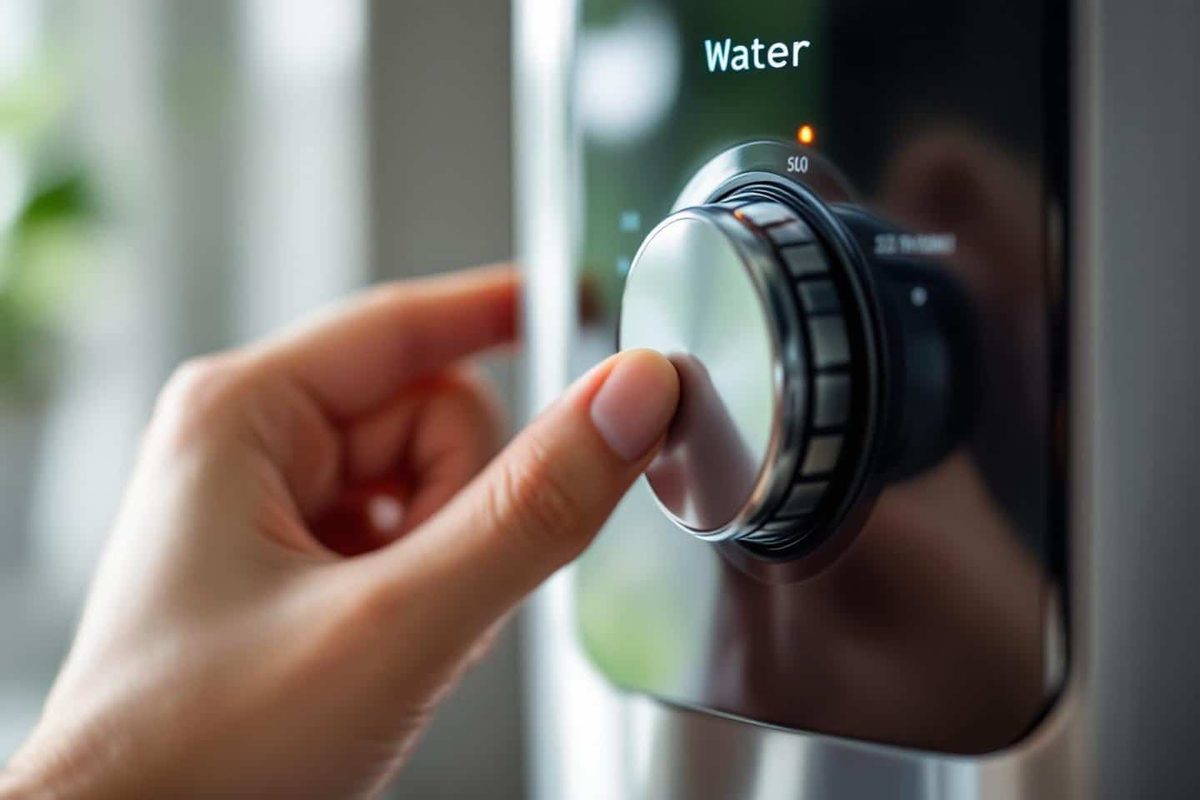
The button you are looking for controls the water heater thermostat. This single component dictates how hot the water stays in the tank. It’s not just about comfort. It’s about physics. And physics costs money.
When you set your water heater too high, you are constantly reheating water that doesn’t need to be that hot. You are fighting ambient heat loss. The hotter the water gets, the faster it loses heat to the surrounding air. If your tank is in an unheated garage, that loss is even worse.
The Math on Energy Waste
Let’s look at the numbers. They aren’t abstract. They hit your wallet directly.
- A water heater set to 70°C (158°F) consumes significantly more energy than one set lower.
- Experts estimate that running a tank at 70°C can use up to 20% more energy than keeping it at 55°C (131°F).
- That 20% surplus is invisible. You don’t feel a difference in your shower. You don’t notice the steam. But your meter spins faster.
Over a year, that 20% adds up. It’s not a rounding error. It’s a chunk of your monthly budget disappearing into thin air. The default factory setting is designed for maximum capacity, not efficiency. It assumes you might want to sanitize towels or clean heavy grease. You probably don’t need to do that every day. And even if you do, you can adjust the water later.
How to Find and Adjust Your Water Heater Thermostat
This isn’t a complex repair. It’s a maintenance task. But you need to be careful. Hot water can cause severe burns. And electricity is dangerous.
1. Locate the Unit
Find your water heater. It’s usually in a utility room, basement, or garage. Look for a small, plastic or metal cover on the side of the tank.
2. Safety First
Turn off the power to the unit. If it’s electric, flip the breaker. If it’s gas, turn the gas valve to “pilot” or “off.” Wait for the tank to cool down if you’ve just used a lot of hot water.
3. Remove the Cover
Use a screwdriver to remove the access
The set temperature dictates exactly how much energy your system burns to keep hot water on tap. Crank the dial up, and the heater works harder. Heat loss increases, even if your tank is wrapped in premium insulation. No tank is perfectly sealed; heat always escapes into the surrounding air. For a standard four-person household, dropping your thermostat from 65°C to 55°C cuts annual consumption by 7 to 13%. That’s real money saved. No loss of comfort under the showerhead.
Higher temperatures do more than just waste power. They accelerate limescale buildup. This strain fatigues the appliance components. It shortens the unit’s lifespan. Conversely, keeping settings between 55 and 60°C strikes a balance. It kills bacteria effectively while eliminating waste. It’s a small adjustment with huge impact. You maintain hygiene standards without compromising on warmth.
Adjusting Your Thermostat: A Step-by-Step Guide
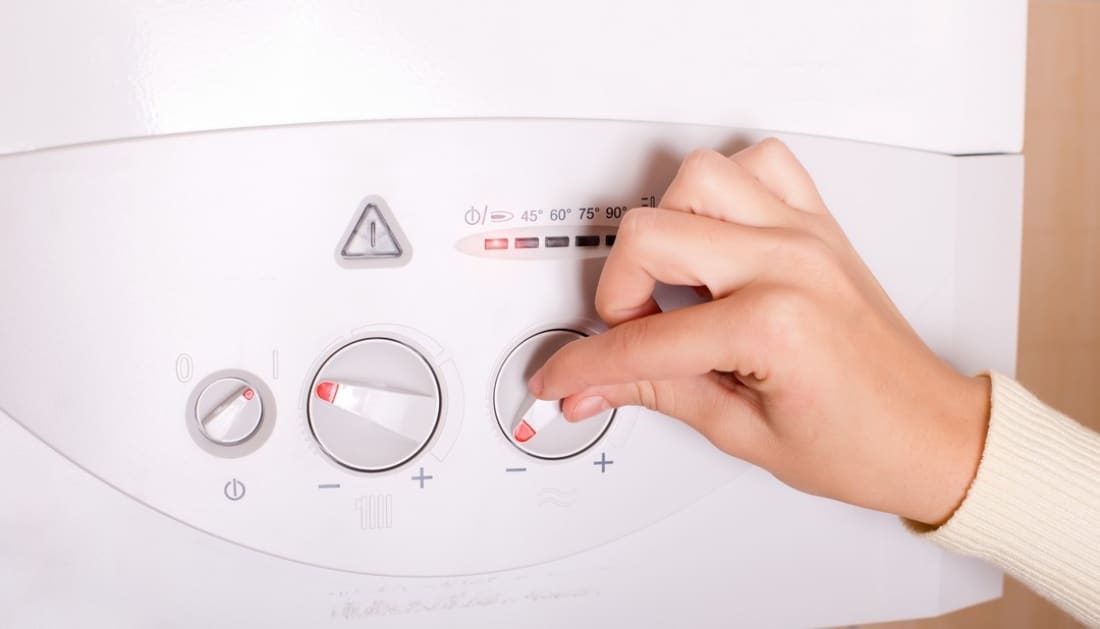
Changing your water heater temperature requires zero specialized tools. You don’t need advanced DIY skills for this task. Locate the thermostat first. It’s usually hidden under a plastic cap or mounted on the front panel. A simple screwdriver, or sometimes just your hand, is all you need to reach the control knob.
Aim for that 55 to 60°C sweet spot. This range protects against legionella bacteria while keeping energy bills in check. The whole process takes less than two minutes. Safety is paramount. Turn off the power supply at the breaker box before touching any internal components. This is non-negotiable for electric models.
Modern digital units offer a simpler interface. Press a button or turn a clearly labeled dial. Check this setting seasonally. Adjust it when your household occupancy changes. If you’re going on vacation, lower the temperature further to maximize savings.
Smart Habits to Maximize Efficiency
Adjusting the thermostat is just the first step. Pair it with other low-effort habits to shrink your energy footprint. Here’s how to get more out of your system:
- Program heating only during off-peak hours if your utility contract allows it.
- Install a thermal jacket around the tank to reduce standby heat loss.
- Schedule regular maintenance. Descale the unit and check the heating element.
- Take shorter showers. Install low-flow aerators on your faucets.
Combining these habits with the right temperature setting creates a noticeable drop in family energy consumption. These small actions compound over time. They become second nature without reducing your daily comfort. Some local governments even offer subsidies. Check for grants on water heater regulators or insulation kits. Use them. They boost both savings and appliance longevity.
Fine-tuning your water heater stops unnecessary spending. It preserves your comfort while supporting environmental goals. This subtle shift optimizes your entire hot water system. Start today. Enjoy consistent, efficient hot water all year round.