The living room is bright. The Christmas tree stands tall. There are still about 48 hours left until the end of the peak season and the lighting work must be completed. The thought of opening a junction box and struggling with traditional screw terminals makes your palms sweat. You’re worried about loose contacts. You’re hunting for a screwdriver who really fits. I’m tired of Domino connectors that seem to come off every time I breathe.
There is a better way.
Don’t treat basic electrical connections like a 1950s puzzle box. Gone are the days of hand-tightening screws. We are entering a phase where speed and safety are no longer mutually exclusive. You don’t have to search your bottom drawer for the right pliers. This is the new standard for fast wiring. It’s uncompromising simplicity.
Why traditional methods are slow
Let’s be honest about the old Domino connector. It has been the favorite choice of DIY enthusiasts and professionals for decades. This requires patience. Accuracy is required. You need to strip the insulation without damaging the copper strip. The screws must be properly tightened. If it is too loose, sparks will occur. If it is too loose, sparks will occur. If it is too loose, sparks will occur. If it is too loose, sparks will occur. too tight, and you crush the wire
If your hands shake or your tool slips, disaster can happen. A poor connection causes resistance. The resistance produces heat. Heat can trip circuit breakers. In the worst case, it can cause an electrical fire. Traditional methods are also difficult in tight spaces. Trying to handle a screwdriver and wire stripper in a small, messy electrical box was a nightmare. This is frustrating. This is ineffective. It is a recipe for error when you are already tired.
The Mechanics of the Quick Connector
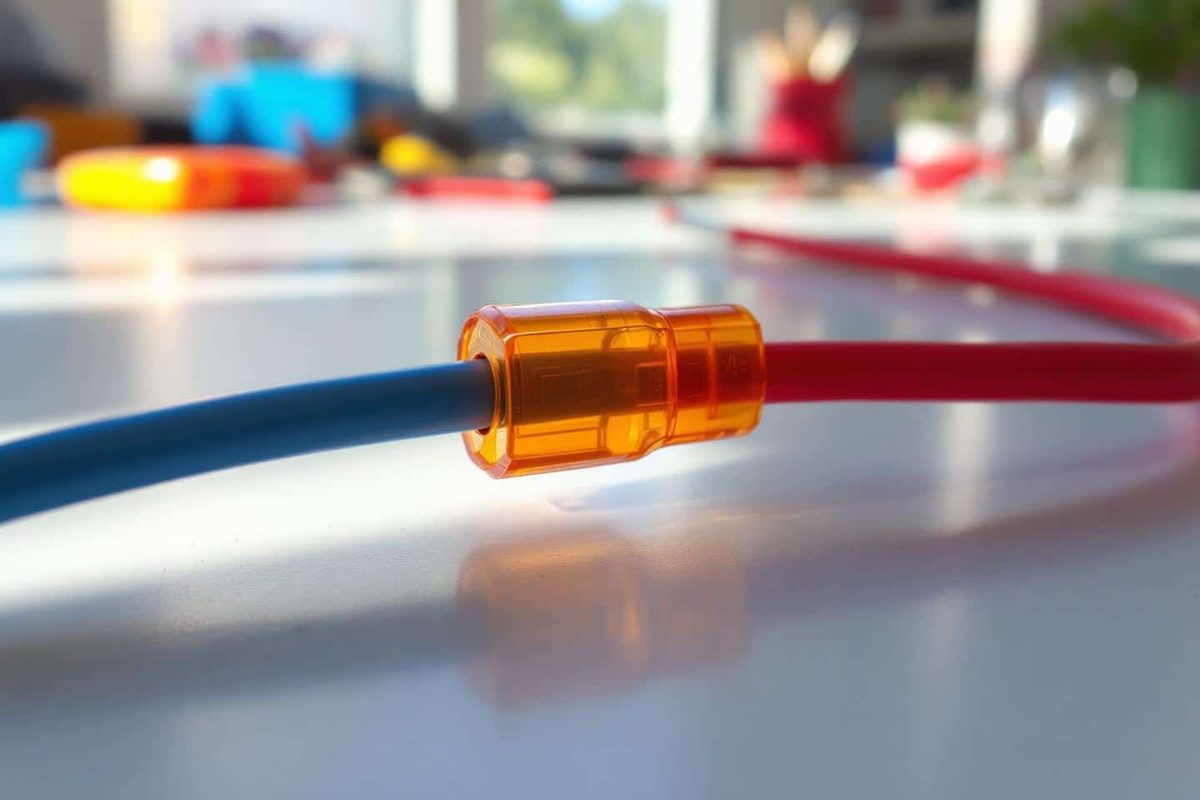
Enter the quick connector. These devices, often Wago-branded, changed the game. They abandoned the screw mechanism altogether. Instead, a lever or spring clamp system is used.
The process is surprisingly easy. Strip the wire to the right length. Push it into the designated hole. Push it in until you hear a click. That sound is a sign of safety. This means that the contact is solid. An internal mechanism holds the wire firmly in place. It won’t loosen due to device vibration or movement inside the box. No tools needed. No need for a second hand to hold the wire steady.
Matching Wires and Sections
These new connectors are versatile. They handle rigid copper wire. They handle flexible cable. Although some versions also support aluminum, copper is the standard in most residential projects in Europe and is becoming more common in other regions. The most important thing is to know the wire gauge. In many areas, standard household circuits use 1.5 mm² or 2.5 mm² wire.
In some models, you can connect several wires at once. This is huge for a junction box. Instead of twisting the wires and wrapping them with tape, you can stack them securely in a single block. A clean distribution point is created. It reduces clutter. The final inspection becomes easier.
Save time and reduce risk
Switching to quick connectors is not just about looking good on social media. It’s about real wins. Installing a pendant light over your dining table used to take twenty minutes to install a chandelier on my dining room table. Now it takes five. For professionals, this is even more important. Hours become minutes. The margin of error shrinks to zero.
Safety is also a big advantage. By eliminating human factors (hand tremors, eye strain, incorrect torque), you can eliminate the most common causes of electrical failures. These connectors meet the latest strict standards. Because they work, they are used in new construction and major renovations.
Get a reliable connection. You get inner peace. You can enjoy your vacation without worrying about a short circuit when you turn on the lights. The tools are still in the box. The stress stays away. Now all you have to do is snap the wire into place.
However, you need to know more to choose the right connector for your specific project. Next, we will discuss the different types and safety checks.
Skip the Screwdriver: the easy way to connect quick connectors
you are sold Now comes the important part. It’s actually about getting your hands dirty. Whether you’ve been wiring homes for decades or are new to picking up a screwdriver, the process is deceptively simple. The goal is to get an intact electrical connection the first time before hanging the lights.
A step-by-step guide to professional wiring
Is it difficult to see the color of the wire? Forget it. The system is designed to be intuitive. Follow these steps to make sure quick connector wiring is safe and correct:
First, strip the insulation from the end of the wire. About 10-12 mm of bare copper is needed. Use a suitable wire remover. Do not scratch the copper core. If it digs into the metal, it can weaken the joint and cause a fire.
Next, let’s take a look at the connector. If it has a lever, lift it open. In push-fit models, you can completely skip this step. This mechanism is ready to receive inputs.
Insert each stripped wire into the corresponding hole. Push in until you feel a distinct click. This snap is an internal spring that holds the cable in place. This is not simply a suggestion.
that’s it. Connection complete. There is no screw. There is no torque wrench. There is no need to worry about the wire coming off due to insufficient tightening. A connection will be established.
Avoid these common pitfalls to get the perfect connection
Quick connectors are forgiving, but they’re not magic. You still have to respect the physics of electricity.
Check the connector body rating. Each quick connector has a minimum and maximum wire size. If you try to pull too hard, too thick a wire, it won’t last. If it’s too thin, it will fall off. Align the hardware with the wires.
Measure the length of the stripped length carefully. If the amount of stripping is too small, the copper will not reach the contacts. If you remove too much, bare copper will be exposed on the outside of the case. Bare metal can short out. Make sure the bare wires fit all the way inside the connector.
Do not reuse damaged or previously used connectors. The internal spring mechanism may tire. Although the used connector looks good, it may not hold the new wires properly. Use fresh every time.
Separate the wires inside the junction box. Do not pack them so tightly that they touch each other. The wire insulation can get pinched or peeled off when pushed in, causing a short circuit. Give them room to breathe.
Why switch to quick connectors for your next project?
The modern transition to spring-loaded terminals, such as Wago and similar brands, is fundamentally changing how household electricity works. It’s not just fast. Safer for the average DIYer.
The benefits are tangible. Save time. You can reduce the work of twisting wires and tightening screws. Eliminates the risk of over-tightening which can damage the soft copper strands.
This small innovation made a big difference. You can work in tight spaces where a screwdriver cannot fit. Even if you rush to work before the holidays, your connection will remain strong and reliable.
Tips for changing the way you attach wires
Get into the habit of keeping a bag of quick connectors in your tool bag. This is a very small plan and we will come back to it when the cities get on the network.
The mental benefits are just as important as the physical benefits. Electrical work is no longer scary. No excessive stripping a wire or cracking in dark corners.
No need to worry about electrical work. You focus on the result, not the fight.
Winter is coming. The nights are getting shorter and shorter. Why suffer from falling screws when you can enjoy the warm glow of properly installed lights? Technology takes the lead. You are responsible for the design.
The light stays on. The house remains safe. And you have more time to do the things that really matter.