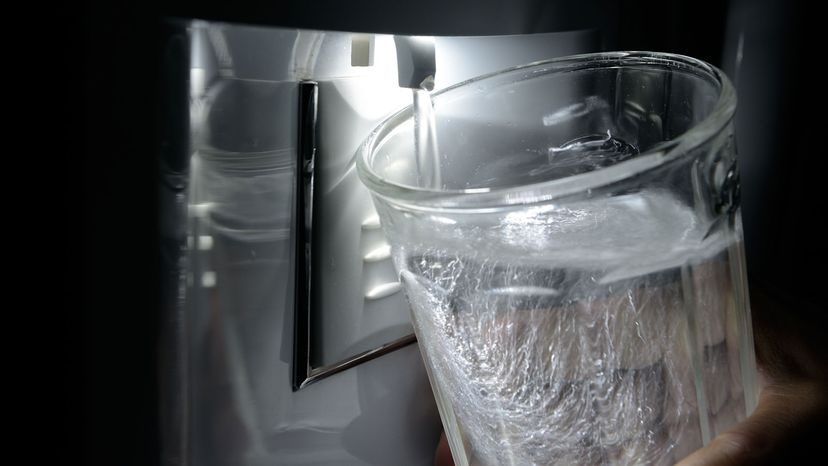
The first sip from the water dispenser should be crisp. This is not true. Instead, it smells like old socks or a chemical spill.
This is a common complaint. It happened with the new fridge. It happens in old ones. Brands like LG, Samsung, Whirlpool and KitchenAid all make mistakes from time to time. This problem is usually caused by the refrigerator’s water filter being old, clogged, or simply faulty.
Don’t panic. No technician required. Often the solution is in your own hands.
Change the water filter in the refrigerator first
Let’s start here. In 80% of cases, this is the reason.
Filters have an expiration date. They are not permanent. Most manufacturers recommend changing it every 6 months. If you replaced it 5 years ago, stop reading and buy a new one. Bacteria can grow in an old filter, making your water taste bad. Or the filter is saturated. No longer traps chlorine or volatile organic compounds (VOCs).
“The water could be bad because your old filter has bacteria… or your filter is no longer working properly and the water is starting to taste like tap water.” – Brian Campbell, WaterFilterGuru.com
An efficient filter can remove dirt. Prevent precipitation. It tastes better. But it’s not magic. These standard filters do not remove heavy metals. If your tap water contains lead or arsenic, you need a reverse osmosis system instead of a simple carbon block.
How do you know if your filter is clogged before you taste it? Look at your ice maker.
Is the ice making speed slow?
* Has it stopped completely?
Isn’t the water dispenser pressure obviously weak?
These are physical signs of blockage. The filter is clogged with dirt. Unfiltered water bypasses the material and goes straight to the glass.
You may be hesitant to pay the price. OEM filters cost $50 each. Twice a year is expensive. Some experts believe that activated carbon does not deteriorate as quickly with light use. However, if the taste doesn’t suit you, change it. You don’t even need a branded version. Third-party filters work just as well and cost less.
Check your home’s water source
What should I do if I just installed a new filter and the water still tastes weird?
If so, the problem may not be with your refrigerator. This is your plumbing.
Check the kitchen sink faucet. Does the water taste metallic? sulphuric? Like rotten eggs? If the answer is yes, your refrigerator is innocent. It’s just reproducing what it’s given.
Fantastic Services’ Stephany Smith points out that sulfurous or metallic odors usually indicate damaged pipes or blockages in your home’s water lines, not the appliance itself.
Did the water utility work on the street recently? They may have broken a pipe. Repairs can allow dirt and particles to flow into your home’s sealed system. After your water service is restored, you may notice a sudden change in taste or smell.
The fix here is easy. Flush the system. Run cold water in the sink for a few minutes. Run until it’s clear. The particles are washed away.
However, if the smell persists even after rinsing, there is a problem with your home’s infrastructure. It’s a plumber’s job. You’ve confirmed that the fridge was not the culprit. You have narrowed down your search.
There are other places where taste can be hidden. Things like the water line itself. Or a dispenser nozzle. These are explained next.
Flushing lines and handling new units
When the refrigerator is not in use, the water in the pipes gets old. It quickly becomes a bad taste. It helps to run fresh water for a minute or two. But it’s not just about letting it go. You need to clear the air. Press the dispenser lever. Release. Wait five seconds. Press again. Repeat until you have poured 10-15 glasses of water. This ensures that the air is removed and the water is clean.
New refrigerators are different. The manufacturing process leaves dust and dirt in the pipes. This is a health hazard if you drink it directly from the source. Just don’t ignore it. Clean the inside of the dispenser. Use distilled vinegar. First, throw away all the ice in the container.
Disconnect the water supply. Pour two to three cups of distilled vinegar into the pipe you want to clean. Let it rest for a few seconds. Then flush the system. Add about two liters of water to wash away the vinegar and residue.
What About the Ice?
Sometimes water tastes good. Ice is a problem. Bob Tuck of Mr. Appliance recommends cleaning the storage tank regularly. It is recommended to remove all ice storage parts. Wash them in the dishwasher. This keeps the ice from tasting like old plastic or trapped bacteria.
Replacement Frequency and filters
How often should the filter really be changed? The manufacturers say every six months. That’s a safe bet. But it depends on how much water you use. And the condition of the filter. Light use may extend this period. Moderate use might shorten it.
Can you use a third party brand filter? Yes. They fit in the fridge. They work just as well as the branded versions. They often cost less too. Just make sure they meet the necessary specifications. You need effective filtration. Not just a cheap part that looks right.