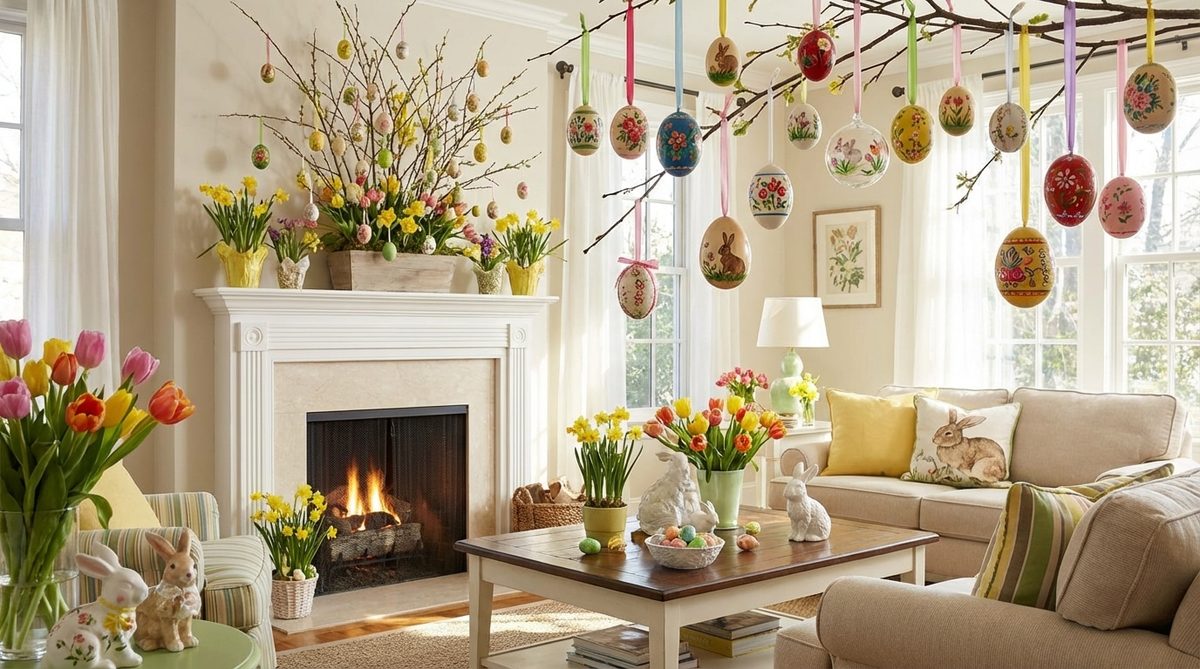
Spring is back. The days are getting longer. Pâques is creeping up on the calendar. You want to host friends. You want a gorgeous spread. But let’s be real: good decor costs money. Fast.
The goal this year was different. No emptying the savings account. The challenge? Transform the dining room for less than €10. It sounds impossible until you know where to look.
Hunt for the best deals at Action
Most people walk past Action without really seeing it. They see cheap plastic. They see clutter. They miss the potential.
I walked in with an empty basket and a specific mission. Scan the aisles. Ignore the branded items. Look for the house brand. Look for the seasonal rotation.
Action is the temple for budget-friendly decor. They rotate stock fast. That means new finds appear weekly. You have to be quick. You have to have an eye for what actually looks expensive.
The secret isn’t the price tag. It’s the combination. One item is junk. Three items together are a centerpiece.
The unexpected find that saved the decor
It wasn’t a crystal vase. It wasn’t gold-rimmed plates. Those blow the budget.
It was a simple, textured runner. Or maybe a bundle of dried lavender. Or perhaps a set of matte green napkins.
Here is how I built the look.
- Start with a base. A plain tablecloth from a discount store. White or neutral. It acts as a canvas.
- Add texture. A burlap runner. Or a cheap crochet mat. Something with visual weight.
- Introduce color. Look for the spring palette. Pastel yellows. Soft greens. Blush pinks.
- Height is key. Cheap stems from a garden center. Or foraged branches. Twigs tied with twine.
I spent €3.50 on napkins. €2.00 on a small ceramic vase. €4.00 on a decorative candle.
Total spend: €9.50.
The result? Guests thought I’d hired a stylist. They didn’t ask the price. They asked where I got the “vintage” linen. I just smiled.
Why does this work? It’s about contrast. Mixing high-low elements. The cheap candle against the nice plates. The rough texture of twine against smooth glass.
Stop buying single expensive items. Start building layers. Buy small. Buy often. Mix them up.
The spring table doesn’t need to cost a fortune. It just needs intention.
You can do this.
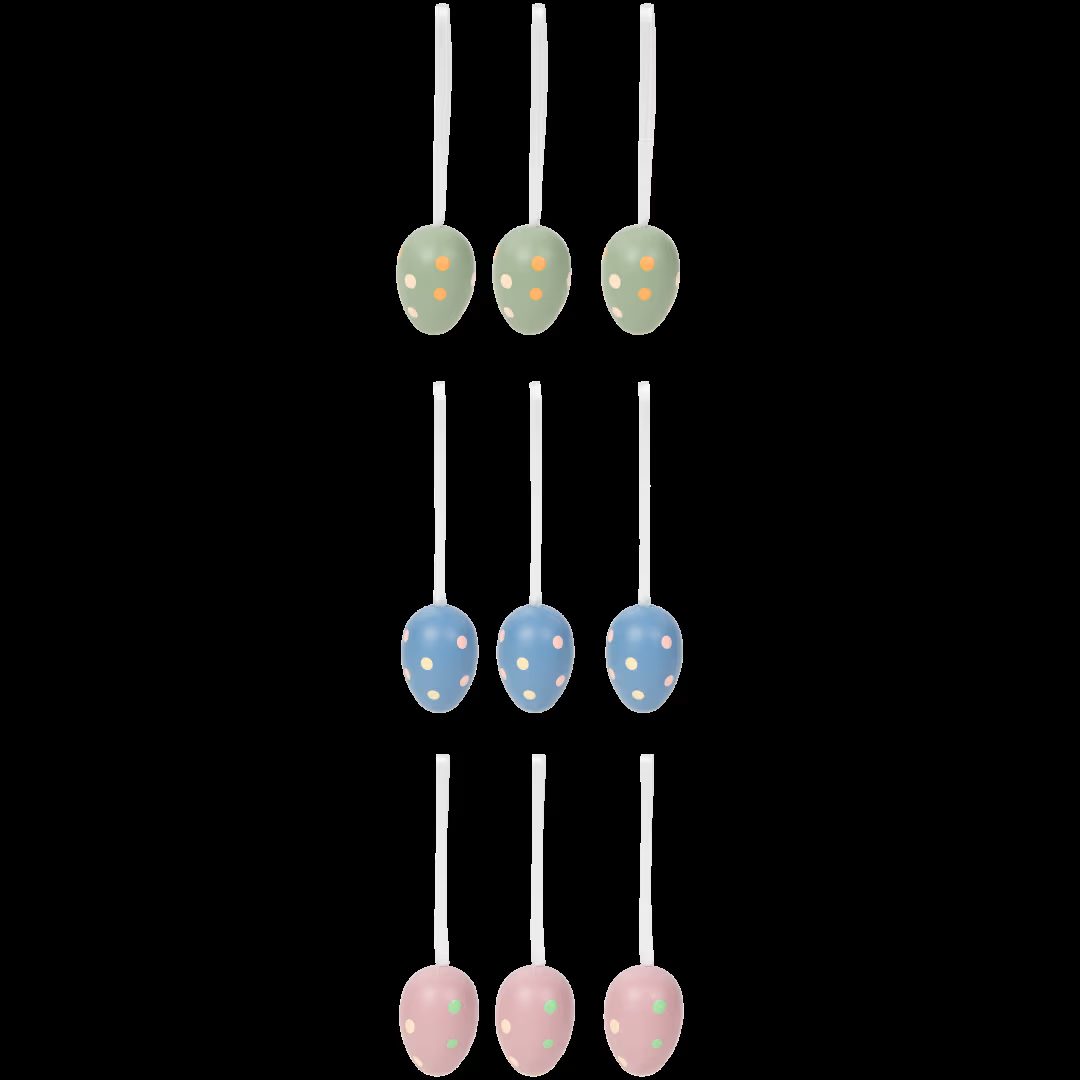

Hanging Easter eggs for under 2 euros
You want that magazine-worthy aesthetic without the magazine price tag. The answer is sitting in the clearance aisle at Action. Specifically, the hanging Easter eggs at Action for 1.99 euros. These aren’t the generic plastic shells you find in big-box stores. They are these feathered, natural-colored wonders. They come in packs of 12. That works out to roughly 0.17 euros per piece. You can buy three packs for under ten euros total. The math is simple. The result is stunning.
Why these feathered accents beat generic decor
Most store-bought eggs are stiff. Plastic. Cold. These have feathers. Integrated directly into the design. It’s a small detail but it changes everything. The feathers add texture. They catch the light differently. They look chic without trying too hard. The colors are muted—soft pastels, earthy tones. Nothing neon. Nothing that clashes with your spring table setting.
DIY centerpieces using natural branches
Don’t buy a centerpiece. Make one. It’s cheaper. It’s more personal. And it looks better.
Grab a sturdy branch. A willow branch works well. Or just a thick twig from your backyard. Clean it off. Remove the small leaves if they’re drooping. Place it right in the middle of your dining table.
Now for the tricky part. The eggs come with a built-in hanging loop. Thread that loop over the branch. Don’t tie it. Just let it hang. Space them out. Leave some empty space on the branch. Negative space is where the elegance lives. If you crowd them, it looks like a craft store explosion. If you space them, it looks like a curated gallery.
“The loop included with each egg is designed for quick placement. Use it. Don’t overthink the mechanics.”
Placing eggs in napkin folds
You can do more than just hang them. Use the loops.
When you fold your dinner napkins, leave the top loose. Slide an egg onto the fold. Let it drape over the edge. It acts like a napkin ring but softer. More organic. The feathers will brush against the fabric. It adds a tactile element to the table. Your guests will notice. They might even ask where you got them. Don’t say Action. Just smile.
The budget breakdown
Let’s be clear about the cost. This isn’t a luxury project. It’s a hack.
- Hanging eggs (3 packs): ~6.00 euros
- Branches (foraged or cheap): 0.00–2.00 euros
- Total: Under 10 euros
You are getting a full table transformation for less than the cost of a takeout dinner. The aesthetic is modern. Minimalist. But warm.
Final thoughts on the setup
This setup works because it relies on two things: simplicity and texture. The feathers provide the texture. The branch provides the structure. The eggs provide the color.
Is it foolproof? No. If your branch is too thin, the eggs will slide off. Test the weight distribution first. If it’s too slippery, use a tiny bit of hot glue. But usually, gravity and friction do the work for you.
The goal isn’t to make it look perfect. It’s to make it look intentional. The asymmetry is part of the charm. One egg higher than the other. One leaning left. It feels alive.
Your family will think you spent hours on this. You spent twenty minutes. And ten euros.
The feathers might shed a little. Keep a lint roller nearby. It’s the only downside to natural-looking decor. But the visual impact outweighs the maintenance.
So, grab the packs. Find a branch. Build the scene. The spring tablescape doesn’t have to be expensive to be memorable.


