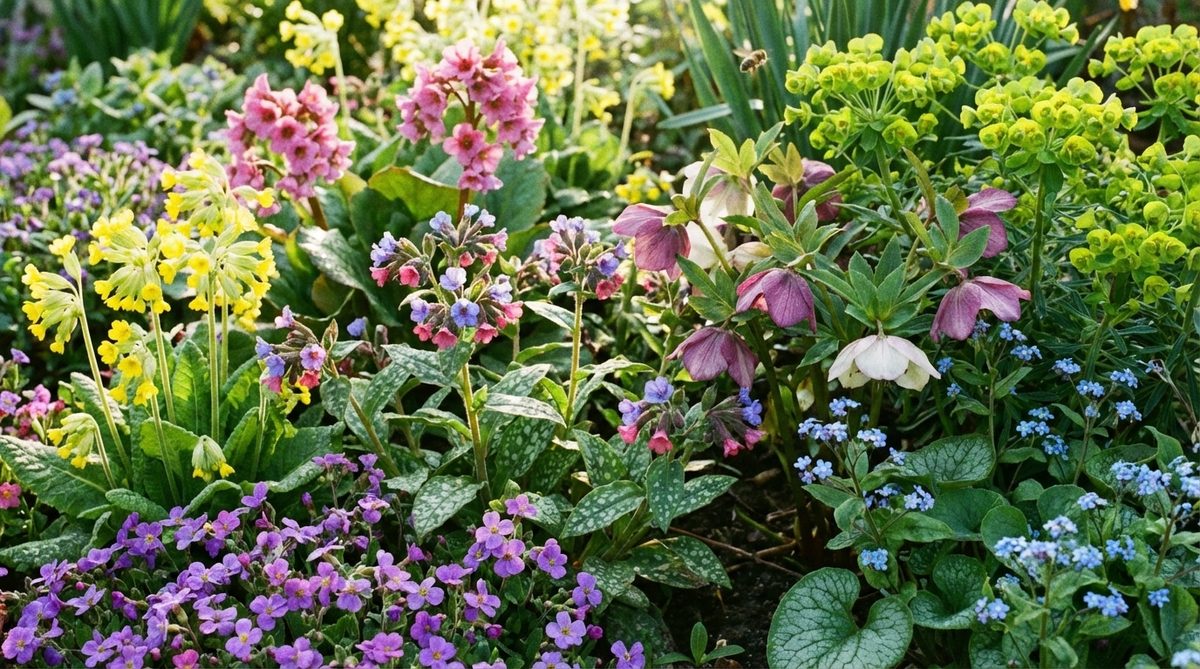
March hits different. The air is still crisp, but the garden centers are already flooding the aisles with spring bulbs and annuals. It’s tempting. You want color now. But here is the thing about planting in early spring: patience pays off if you pick the right long-term players.
Stop chasing the fleeting annuals. Start with perennials. These are the heavy lifters of the garden. They come back year after year. They build robust root systems. They save you money over time. And they save you time on maintenance.
If you want a garden that explodes with color by April without demanding daily attention, you need specific plants. Not just any plants. The tough ones. The ones that thrive with minimal water and maximum visual impact.
Here is how to transform your outdoor space this spring using reliable, eco-friendly perennials.
Ground Covers to Break Winter Torpor
The ground looks bare after winter. It looks tired. You need coverage fast. But not just any coverage. You want plants that suppress weeds, retain soil moisture, and spread out naturally. This reduces the weeding chore significantly.
Aubrieta: The Purple Cascade for Walls and Rocks
You have seen that purple waterfall cascading down stone walls. That is aubrieta. It is a hardy perennial that looks like it belongs in a Mediterranean landscape, even in cooler zones.
It is drought-tolerant once established. This makes it perfect for xeriscaping or low-water gardens. You do not need to water it daily. Just plant it in full sun. Full sun is non-negotiable for the best blooms.
How to plant it:
* Timing: Early spring, as soon as the soil can be worked.
* Spacing: Place each plant 30 to 40 cm apart.
* Why: This space allows the plant to spread into a dense, colorful cushion without choking out neighbors.
* Soil: Well-draining. It hates wet feet.
Bergenia: The Tough Lover with Evergreen Foliage
Bergenia is often called “leatherleaf” because its leaves are thick, leathery, and persistent. They stay green all winter, sometimes turning bronze or red in the cold. This provides immediate structure when most other plants are still sleeping.
In late winter, it sends up tall spikes of pink flowers. These are early nectar sources for bees and other pollinators waking up from hibernation.
Why choose Bergenia:
* Resilience: It survives neglect. It rarely needs chemical treatments.
* Light: It prefers partial shade. Too much midday sun can scorch the leaves.
* Spacing: Plant 30 to 40 cm apart.
* Result: A vigorous ground cover that flowers early in April.
Shade Lovers for Dark Corners
Many urban gardens have dark spots. Backyards enclosed by walls. North-facing sides of houses. These areas are often ignored because people assume nothing grows there. That is a mistake. Shade perennials can be spectacular.
Pulmonaria: The Color-Changing Bell Flower
Pulmonaria, or lungwort, is weird in the best way. The flowers change color. They start pink. Then they shift to blue. You can see both colors on the same plant at the same time. It is a botanical curiosity.
The leaves are also decorative. They are spotted with silver. This adds graphic interest even after the flowers fade.
Planting details:
* Light: Full to partial shade. It thrives in cooler, shadier spots.
* Spacing: 30 to 40 cm between plants.
* Effect: Creates a woodland ambiance. It looks like a natural forest floor.
* Maintenance: Very low. Just let it naturalize.
Brunnera macrophylla: The Azure Cloud
If you want blue, Brunnera is your go-to. It has large, heart-shaped leaves that look like they have been painted with silver veins. Above the foliage, it produces clouds of tiny, intense blue flowers.
It is often confused with forget-me-nots (myosotis), but it is much larger and longer-lived. It is a “true” perennial that comes back reliably.
Where to put it:
* Environment: Cool, partial shade.
* Spacing: 30 to 40 cm apart.
* Visual: It creates a soft, hazy blue effect. It looks delicate but is surprisingly tough.
* Timing: Blooms in spring, fading as summer heat arrives.
Helleborus: The Lenten Rose
Hellebores are the queens of winter blooms. While others are dormant, Hellebores are flowering. They brave late frosts. They are tough.
The flowers come in shades of white, pink, purple, and green. They hang downward. The foliage is evergreen and glossy. It provides structure year-round.
Cultivation tips:
* Soil: Rich in humus. Like a forest floor.
* Light: Partial shade.
* Spacing: 30 to 40 cm apart.
* Duration: Flowering can last until mid-May.
* Note: Do not crowd them. Their large leaves need air circulation.
The Common Thread: Spacing Matters
You noticed a pattern. Every recommendation above suggests 30 to 40 cm of space.
This is not arbitrary. It is strategic.
Plants spread. If you plant them too close, they compete for light and nutrients. They get leggy. They become susceptible to disease. If you plant them too far apart, you have a gap for weeds to invade.
30 to 40 cm is the sweet spot. It allows for immediate impact while giving the plant room to grow into a mature specimen. It fills the space in one to two seasons, not five.
Why This Approach Works
This method is not about quick fixes. It is about building a foundation.
- Time: You plant once. You get years of blooms.
- Cost: Perennials are an investment. They pay for themselves by not needing annual replacement.
- Eco-impact: These plants support pollinators early in the season. They require less water and fewer chemicals.
- Aesthetics: You get a layered look. Ground covers, mid-height shrubs, and taller perennials create depth.
Spring is the time to act. The soil is warming. The days are lengthening. Pick your plants. Dig your holes. Respect the spacing.
The garden will thank you. It will be colorful. It will be resilient. And it will be yours.
Getting volume into your garden beds without breaking the bank or spending hours weeding isn’t about luck. It’s about structure. You need plants that stand tall and look good doing it. The trick? Layering. Put the big, architectural plants in the back. Let the groundcovers fill in the gaps. This creates depth. It stops the bed from looking flat and messy.
Here is how to build a self-sustaining spring display that lasts.
Euphorbia characias: The structural backbone
This plant is the heavy lifter in a low-maintenance garden. It doesn’t just add color; it adds form. Euphorbia characias, often called Mediterranean spurge, has upright stems and blue-grey foliage that looks almost sculptural. It brings order to chaos.
The flowers are what get people talking. They aren’t your typical red or pink blooms. They are chartreuse-green clusters that seem to glow. This unique color actually makes other surrounding flowers pop by contrast.
But you have to treat it right. If you plant this in the shade, it will flop over and look tragic. It demands full sun. Without direct, intense light, the stems weaken.
Space is non-negotiable with this species. It spreads wide. Leave 80 to 100 cm between plants. If you crowd them, they’ll fight for light and end up leggy. Give them room to breathe. Let them become the focal point.
Primula officinalis: Wild charm and easy division
While euphorbia provides the skeleton, primrose provides the soul. Common primrose (Primula veris), or “cowslip,” brings that untamed, countryside feel. It’s not polished. It’s rustic.
The little yellow bells appear early in spring. They have a subtle scent that you might miss if you walk by too fast. But once you notice them, you’ll see them everywhere. They signal that winter is officially over.
These plants are forgiving. They handle sun to partial shade easily. You can buy them cheap, or dig up clumps from friends’ gardens. Dividing them is simple. Just split the root ball and replant.
Space them 30 to 40 cm apart. They naturalize quickly. Within a few years, a few small plants will turn into a substantial yellow patch. It feels less like gardening and more like witnessing nature take its course.
Building the spring tableau
Timing matters more than you think. Plant these perennials in March. This gives the roots time to establish before the summer heat hits. By the time April arrives, your garden will already be awake and blooming.
Think about how these plants interact. The tall, yellow-green spikes of the euphorbia contrast sharply with low-growing aubrieta or leathery-leaved bergenia. This mix creates texture. If your garden has shadier spots, swap some of the sun-lovers for pulmonaria, brunnera, or hellebores. These tolerate shade and keep the ground covered where the euphorbia can’t reach.
This combination works because it mimics natural ecosystems. There’s no need for synthetic fertilizers or heavy mulching. The plants support each other. The shade from the euphorbia keeps the soil cooler for the primrose. The primrose’s spreading habit suppresses weeds that might try to invade the euphorbia’s space.
You get a flower border that looks intentional but feels effortless. It requires very little input once established.
Why this approach works for DIY homeowners
Most people give up on gardens because maintenance becomes a chore. Watering daily. Deadheading constantly. Weeding weekly.
This specific mix avoids that trap.
- Drought tolerance: Euphorbia thrives on neglect once established.
- Self-seeding: Primrose spreads naturally, filling in bare spots without your help.
- Year-round interest: Even when the flowers fade, the structural leaves of the euphorbia and the evergreen leaves of bergenia keep the bed looking green and tidy through winter.
You aren’t just planting flowers. You’re installing a system. A system that runs on sunlight and basic soil moisture.
The result is a garden that looks designed by a landscape architect but costs almost nothing to maintain. You plant in March. You step back. You watch the chartreuse blooms rise above the yellow carpets in April. And you realize you haven’t touched a shovel since last fall.
Is it magic? No. It’s just planting the right plants in the right spots. The rest takes care of itself.


