Home accidents kill. Specifically, they are a leading cause of death for kids and the main reason adults end up in the ER. It’s grim. But most of these disasters aren’t inevitable. They’re preventable. You just have to stop treating your house like a passive backdrop to your life and start treating it like a potential hazard zone.
We’re going to break down how to secure your home. We’ll start with the basics—the stuff you can fix this weekend—and then dig into the nasty side effects of household chemicals later. For now, let’s look at the general rules that keep you from slipping, burning, or worse.
Basic Slip Prevention and Fall Safety
Water is everywhere. In the kitchen. The bathroom. The garage. It’s also the fastest way to turn a normal morning into a trip to the hospital.
- Wipe it up. Spilled water, grease, oil—gone. Immediately. Don’t let it sit. A wet floor is an invitation for a slip.
- Secure the rugs. That nice runner in the hallway? It’s a trip hazard unless you anchor it. Use nonskid pads or slip-resistant backing. If those fail, grab some double-faced adhesive carpet tape. Stick it down. No more bunching.
- Watch the tablecloth. Don’t put hot coffee or tea on a tablecloth that drapes over the edge. It’s a classic mistake. Someone trips on the fabric, pulls the cup, and suddenly you’ve got scalding liquid everywhere. It’s not dramatic. It’s just stupidly painful. Keep drinks away from hanging cloth.
Gun Storage and Elderly Care
Some hazards require more than just a mop.
- Unload the weapons. Never keep a loaded gun in the house. Store ammunition and firearms separately. It’s not paranoia. It’s protocol.
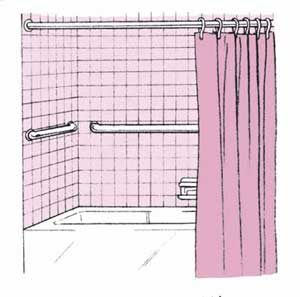
- Help the unsteady. Got an elderly person or someone with balance issues living with you? Install grab bars in the bathtub or shower. Seriously. Do it. You can also buy a shower stool with nonskid tips. It gives them a place to sit so they don’t have to stand on a slick surface.
Safety isn’t about being afraid of your home. It’s about respecting it enough to fix the obvious dangers.
So, why do we ignore these things? Because it’s easy to forget that the floor is hard and water is slippery. We assume we’ll be careful. We’re not. Not always.
Check your habits. Check your floors. Check your storage. The next section gets into pesticides and why they’re a different kind of trap. But first, make sure you aren’t slipping on your own mistakes.
Stop the scalds and slips: simple bathroom safety upgrades
You’ve got the grab bars installed. Good. Now look at the water. Scalding isn’t just uncomfortable. It’s a burn hazard. Set your hot-water heater to 120 degrees Fahrenheit or lower. Most older units have a thermostat dial. Newer ones? You might need a thermometer at the faucet to check the temp.
Kids and older adults have thinner skin. They get hurt faster. 120 degrees is the safe zone. Anything higher is asking for trouble.
And while you’re in the bathroom, look at the floor. Wet tile is a slide zone. If someone uses a step stool to reach the shower head, make sure it has a handrail. Lock it into place before anyone climbs. Wobbly stools are how people break hips.
Electricity hates water: keep them apart
This should be obvious, but it’s worth saying again. Never touch an electric appliance while standing in water. Not a hairdryer. Not a radio. Not a phone charger.
Keep electric heaters away from curtains, towels, or anything that burns. Combustible materials near heat sources are a fire waiting to happen. And never place any electrical device where it can fall into the tub or shower. If it falls, unplug it from across the room. Don’t reach for it. Ever.
Clear the clutter in storage zones
Your basement or garage probably looks like a junk drawer exploded. That’s a tripping hazard. Tools, boxes, sharp objects left on the floor. You don’t need to throw everything away. Just look at it with fresh eyes.
Where will you trip? Move that. Is that box blocking the path to the exit? Move that too. Accident prevention is mostly about sightlines. If you can’t see the floor, you’ll step on something you shouldn’t.
Power tools stay covered
Never remove the guards from power tools. I don’t care if it’s “just for a second” or if the guard is “in the way.” The guard is there because fingers get caught. Always. Keep them on. It’s not negotiable.
Pesticides: poison needs respect
You don’t need an exterminator for every bug. DIY pest control is common. But pesticides are poisonous. Treat them like the chemicals they are.
Read the label. Every time. Not just the first time.
- No open flames. Don’t spray near a pilot light, stove, or furnace. Ignition can happen fast.
- Keep it away from food. No spraying near dishes, cooking utensils, or pet bowls.
- Use the right amount. When fumigating, measure carefully. More isn’t better. It’s just more poison.
- Disposal matters. Never flush insecticides down the toilet or drain. Wrap empty containers in brown paper or newspaper. Throw them in the trash. Don’t reuse the bottles.
- Ventilate. If you use a space spray or bomb, leave the room. Close the door tightly. Wait at least 30 minutes. Then air it out carefully before going back in.
- Protect yourself. Wear rubber gloves. Wash your hands thoroughly after use. Never smoke while handling pesticides.
Storage is key. Keep pesticides in a locked cabinet or on high shelves. Cool and dark. Away from kids and pets.
You’ve covered the big risks. Water, electricity, clutter, chemicals. Your home is safer now. Or it should be. Check it again next week. Habits fade. Safety doesn’t.