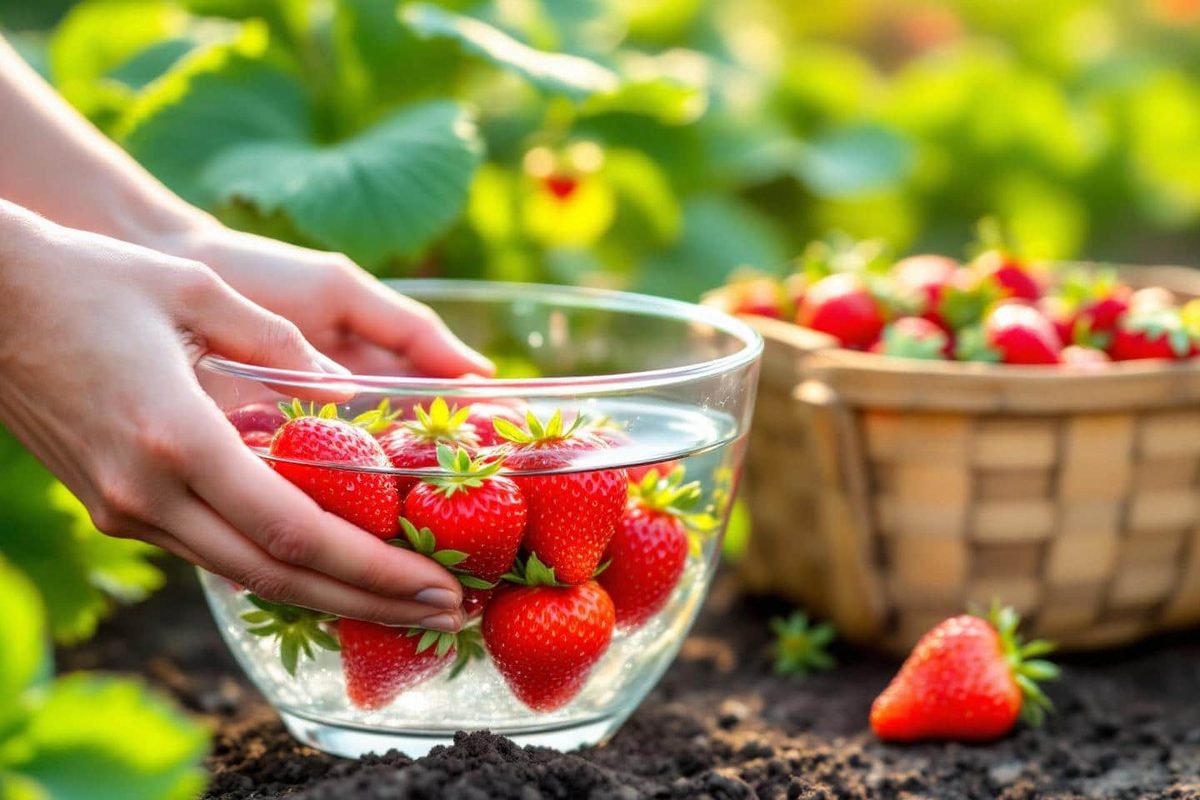
The summer heat is harsh on fruits. You want a strawberry that is full of juice. Instead, a sad, watery mess is created. This happens when the sun shines too strongly and the soil dries out too quickly. It feels like a loss. But there’s a simple, old-fashioned trick that changes everything. These are straw or leaves. That’s it. Just a layer of organic material around the plants. This method keeps the soil cool. It retains moisture. It protects the fruit.
Why strawberries fail in the heat
High temperatures don’t just make the air uncomfortable. They destroy the fruit. Even hardy varieties have problems when temperatures spike. The result is often a spongy texture. The taste disappears. The fruit becomes less sweet and more diluted.
How heat ruins texture and flavor
Strawberries are delicate. They do not tolerate extreme heat very well. During a heat wave, the surface layer of the soil quickly loses water. The roots suffer from severe water stress. The fruits ripen too quickly. This rush prevents the sugar from concentrating. The pulp becomes water heavy, but its taste is light. The unique taste disappears.
The damage is visible in the southern areas. In strong summers, even half of the crop can be lost. Spots develop on the berries. They rot. They end up in the compost bin instead of the table.
What wild plants teach us
See how strawberries grow in the wild. They thrive in shady forest areas. They like the cool, moist environment that fallen leaves provide. This natural carpet has an insulating effect. It keeps the soil cool and moist during dry periods.
Nature shows that strawberries prefer cooler places. You benefit from a protective layer made of organic material. This lesson will help gardeners create wilder, more productive beds. It’s about imitating the forest floor.
A simple step that changes everything
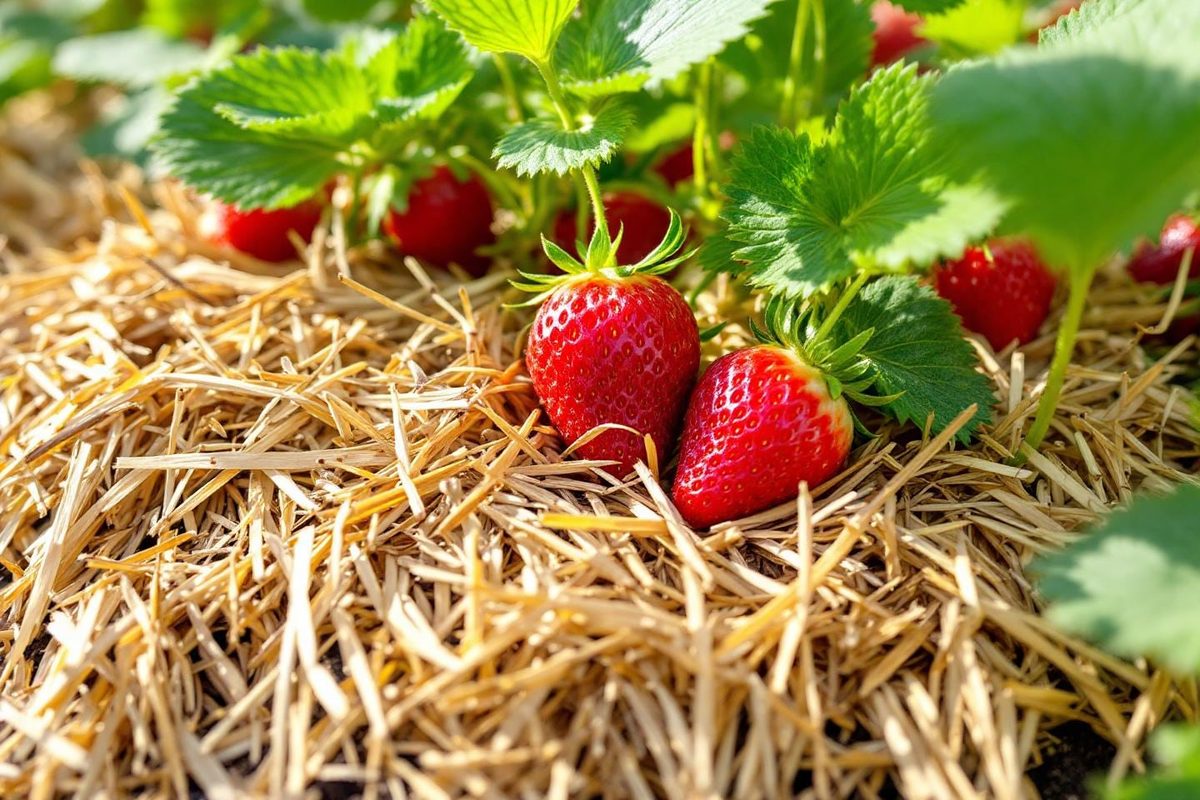
Mulching is the answer. It’s not complicated. It’s just practical. By covering the soil around the strawberry plants, you create a barrier. This shield prevents direct sunlight from hitting the dirt. It reduces evaporation. It keeps the roots happy. The fruits remain cleaner and firmer. You get a better taste. You get more yield. Start with straw. Or use dried leaves. The goal is coverage. Keep the soil cool. Keep the berries sweet.
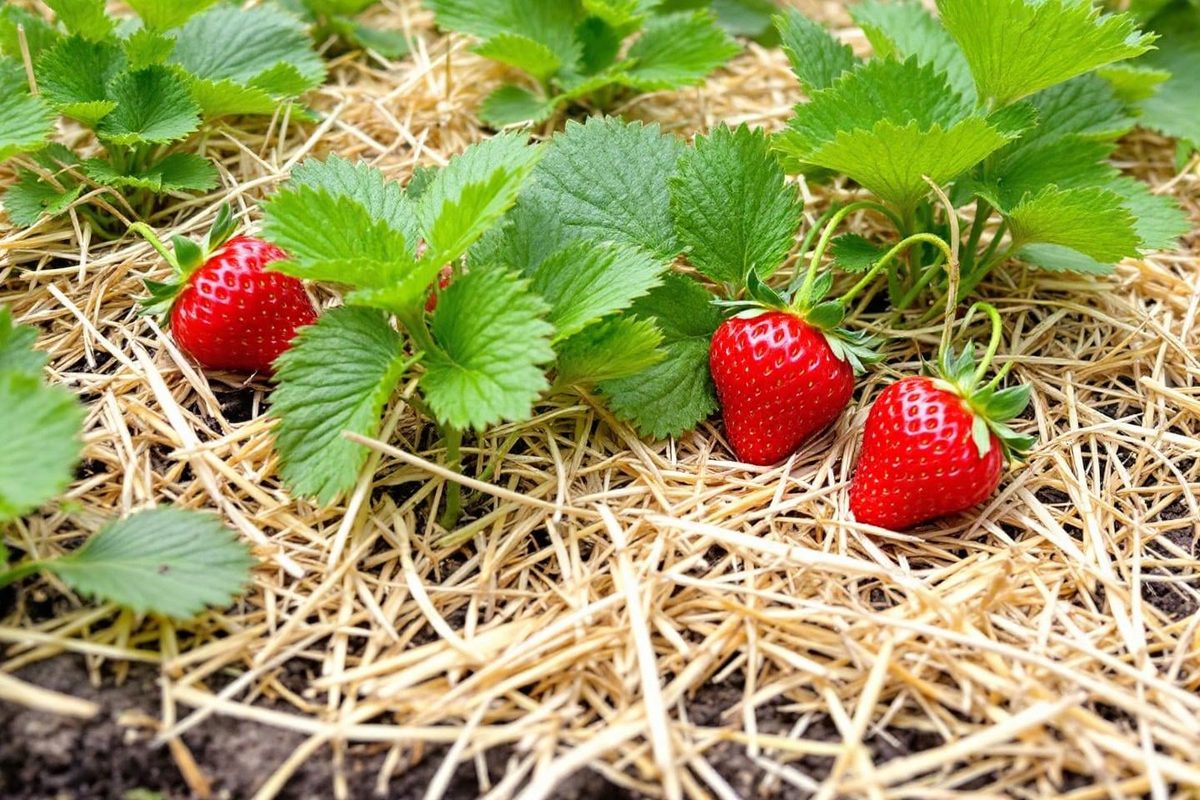
The summer heat doesn’t just wilt the leaves; it steals the flavor. The solution is simple: mulch. It is more than a gardening technique. It’s a reflex. This simple layer protects the taste and freshness of the strawberries while respecting the natural rhythm of the garden.
How straw and leaves act as a protective shield
When a layer of straw, dead leaves or dried grass is placed at the root of the strawberry plants, a wall is formed against the heat. Think of it as a miniature air conditioner for the soil. This natural mattress keeps the soil several degrees cooler. In addition, water evaporation is drastically limited.
Observations confirm that mulched soil remains up to 10°C lower than the temperature of bare soil. It makes a huge difference in root health.
There is another advantage. Mulching keeps the fruit out of moist soil. This reduces the risk of rotting. It also prevents mud splashing during heavy rain. Pine needles are particularly effective. They keep slugs away. Some gardeners even swear by it to improve the acidic tang of the fruit.
Effective mulching: timing, depth and mistakes to avoid
Timing is everything. Start in mid-June. The ground should still be cool from the spring rains. Aim for a depth of 5-8 cm. Use straw, dry leaves or dried grass. Don’t pack it. A thick, compacted layer suffocates the plants.
In June, refresh with 3 cm of flax or wheat straw is ideal. It prevents the fruit from coming into contact with the ground. It also slows down the growth of weeds. Be careful with moisture. Do not use wet materials. Wet mulch promotes mold. A rhythmic effort throughout the season pays off during harvest.
Juicier, tastier strawberries: an immediate benefit
Results will be visible in a few days. Plants and fruits look different. Careful gardeners will quickly notice this.
Preserved freshness, amplified sugar: what you notice
Strawberries from mulched beds have a smooth, clean skin. No dirt. No wet spots. They retain their crispness even in the hottest summer weeks. Experiments with the ‘Charlotte’ variety showed that production increased by almost 30% when the mulch was renewed in June.
Leaving moisture in the bottom slows down the ripening. Slow ripening concentrates the sugar. It enhances the aroma. The difference in taste is obvious. Especially after a hot night. In the morning you will find fruits that radiate sun and fragrance.
Less water, less effort: Make your plants (and yourself) happy
Mulching is an easy choice. Watering is reduced. The surface soil remains moist. The roots stay cool. This saves time. It relieves the plant.
Protected soil compacts less. It breathes better. It still functions as a nutrient reserve. This supports plant health in the long term. Mulching makes gardening easier. It makes every harvest a moment of pride.
Enjoy the whole summer: Adapt Mulching for heat peaks
Keep strawberries cool during heat waves
Mulching is your first line of defense, but it’s not a “set it and forget it” solution. When the mercury rises, you need to adjust your approach. The goal is simple: keep the roots cool and the plants alive so they can continue producing.
If the dry season approaches, add another layer. Don’t go too heavy. Thin padding works best. And for heaven’s sake, use bone dry material. Linen straw is ideal because it breathes. Wet mulch during a heat wave? That’s just asking for rot or mold. You want airflow, not swamp.
The timing of watering is more important than the quantity. Wait until the sun goes down. Watering at noon is just pouring money down the drain because the heat evaporates it before it reaches the roots. Evening watering gives the soil time to absorb as the air cools.
Natural hacks add shade and pest control
Some gardeners go the natural route in extreme heat. It’s not just about water and soil. It’s about the microclimate.
Try placing flat stones or terracotta tiles around the base of the plants. Stone absorbs heat during the day and releases it slowly. More importantly, it creates a physical barrier that keeps the crown of the plant cooler. It’s an old-school trick that still works.
Pine needles or fern leaves can be scattered around the base. They are not just mulch. They act as natural repellents against certain pests. They offer multi-layered protection.
If you have strawberry plants in pots, move them. shift them to a shady spot. Concrete radiates heat. Soil in a black plastic pot can cook roots in hours. Shading is not negotiable for container plants in August.
Low maintenance for longer harvest
Good mulch requires almost no work. That’s the point. But you still need to check in.
Look for gaps. If the soil shows through, the weeds will too. Add material there. Keep it airy. Gently scratch the top layer if it has compacted. You don’t turn the soil, you loosen it to maintain that critical air exchange.
Remove any debris that looks bruised or diseased. One bad apple can literally ruin the bunch.
With this little maintenance, something significant can be achieved. It extends the harvest window. Healthy plants do not suffer from shock. They continue to bloom. They keep fruiting. You get clean, tasty berries for weeks instead of a frantic two-week burst followed by nothing.
No extra water bills. No extra energy. Just consistent yields.
Mulching in early heat isn’t all about survival. It’s about flavor. Cool roots mean sweeter fruit. There is a direct connection between soil temperature and sugar content.
This is the kind of technique passed down from old farmers who knew that stress makes bitter fruit. We live in apartments now, but the physics hasn’t changed. You can still enjoy the true deep red strawberry flavor in your urban garden. It starts with what you put on the ground.
Try it. See how your plants react. Then watch as your neighbors wonder why their berries taste like water while yours taste like summer.