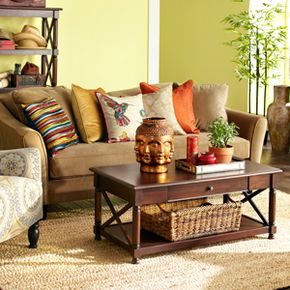
You redecorate. You swap out the cushions. You buy new curtains. And yet, the space still feels stale. It’s frustrating. You’re looking at a living room that has survived several trends without evolving. The problem isn’t usually the budget. It’s the clutter of outdated elements working against you.
Heavy floral patterns on upholstery and window treatments are the biggest culprits. Muted, dusty paint colors run a close second. Throw in dated picture frames and filler accessories, and you have a recipe for a room that looks stuck in 2010.
Fixing this requires a systematic approach. You cannot just patch one hole and expect the wall to hold. You need to strip it back. You need to understand what stays and what goes. This guide covers the first phase of that transformation.
Clear the Debris
Start by standing in the corners. Look at the room. Identify items that look like they haven’t been touched since the Clinton administration.
Remove them. All of them.
Don’t overthink the donation pile. If it feels like clutter, it is. Move every movable object out of the room. This gives you a blank canvas. It also reveals the true state of the surfaces you are working with.
Before you buy paint, assess the other layers. Paint is the easiest fix. It’s cheap. It’s changeable. But if you paint over bad flooring or weird window treatments, you’re just painting a box around a problem.
Assess the Flooring
The floor sets the tone. Everything else in the room reacts to it.
If you have hardwood, you are in luck. Hardwood is a neutral base. You can throw any rug style on it. You can paint walls any color. It works.
Carpet is trickier. If your carpet is a strong, busy pattern, it’s a anchor. You have to work around it. If the carpet is neutral, layer a bold area rug on top to create zones. Use the rug to add color, not the carpet.
If you are stuck with a colorful carpet you can’t replace, look closely at the pattern. Pull one accent color from the weave. Maybe it’s a hint of teal in a brown rug. Use that teal for pillows or art. Do not try to match the carpet exactly. That looks try-hard.
Update Window Treatments
Windows are the eyes of the room. Dated treatments make a home feel old.
You don’t need to spend a fortune. The market is flooded with affordable options. Roll-down natural shades are a good start. They add texture without visual noise.
Layering is a powerful tool. Try combining a sheer curtain with a heavier fabric. Or pair a bold patterned curtain with a simple blind. Matchstick blinds in a darker tone can ground a room and add an earthy balance against lighter curtains.
Sometimes, the fix is simpler. Change the curtain rod. A sleek, modern rod in matte black or brushed nickel can instantly update a vintage-style curtain.
Or, go full minimalist. Remove the curtains. Use blinds only. It’s a clean look. It lets in light. It removes the “heavy” feeling that drapes often create.
Free the Furniture
Upholstered furniture is the hardest part to update. Sofas are expensive. Reupholstering them is a DIY project for the brave (or the broke).
If your sofa is structurally sound but looks tired, start with textiles. New pillows can hide a multitude of sins. Choose fabrics that contrast with the sofa. If the couch is dark, go light. If it’s patterned, go solid.
Slipcovers are a viable option for budget renovations. The key is fit. A sloppy slipcover looks worse than the original ugly fabric. Measure carefully. Consider having the edges tailored for a snug fit. It makes a huge difference in the final look.
If the frame is broken or the fabric is beyond saving, shop for a new sofa. Quality furniture is available at reasonable price points if you look. Don’t settle for something you know you’ll hate in six months.
Repair or Replace Chairs
Chairs offer more flexibility than sofas. They are smaller. They are cheaper to update.
You can buy new chairs. You can reupholster existing ones. You can also paint or refinish the wood frame.
Think of chairs as sculptural elements. They don’t have to match the sofa. In fact, mixing styles can be interesting. A mid-century modern chair next to a traditional sofa adds depth. Use a chair to introduce a pop of color. Use it to add texture.
Don’t be afraid to let a chair be a “folly.” An interesting piece doesn’t need to coordinate perfectly. It just needs to be intentional.
Replace Lampshades
Lamps last decades. Lampshades do not.
If your lampshades are yellowed, stained, or brittle, they are dragging the room down. This is a common oversight. People keep the lamp because it’s a good light source. They ignore the shade because it’s “just a shade.”
It’s not.
The shade dictates the light quality and the visual weight of the fixture. Dated pleated shades are everywhere. They look heavy. They look old.
Swap them for a modern drum shade. It’s a clean line. It brightens the space. It makes the lamp look brand new.
You can also paint a shade if it’s made of heavy paper or fabric. Coat it evenly. Several thin layers are better than one thick, drippy one. This adds a custom touch.
Refresh Artificial Greenery
Artificial plants are everywhere. Most of them look dead.
They are dusty. They are limp. They have been in the same spot since the house was built. Homeowners think buying one “festive” arrangement means they are done for life.
It doesn’t work that way.
Artificial greenery has improved. You can find high-quality options that look convincing. Check craft stores for fresh-looking “cuttings.” Be selective. Avoid the shiny, plastic-looking varieties that scream “fake.”
Spruce up those corners. Replace the dusty stems with new, structured branches. It adds life to a room instantly.
Standardize Picture Frames
Frames matter.
Unless you are collecting antique silver or framing old masters, keep it simple. Uniformity is key.
Choose a style. Black. White. Natural wood. Stick to it.
Mixing too many frame styles creates visual chaos. It makes the room look messy. A consistent wall gallery looks curated. It looks designed.
If you have a mix, consider painting them. Spray paint is cheap. It’s easy. Turn those mismatched frames into a cohesive collection.
Clear the Clutter
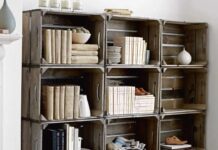
You probably have “filler” items. Vases. Bowls. Small sculptures.
These items don’t have sentimental value. They are just stuff. They are shopworn. They are dusty.
Clear them out.
Go through your belongings. Keep what you love. Throw away what you don’t. Replace the filler with items that match your new vision.
You can mix modern pieces with traditional ones. Variation keeps a room interesting. But it needs to be controlled variation. Not random clutter.
This is just the beginning. You’ve cleared the space. You’ve assessed the big elements. Now you need to bring it all together with color and lighting.
Lighting might be the last thing on your mind. You’re likely focused on the big ticket items. But here is the reality. Bulbs are cheap. Electricians are not.
Do not skip this step.
Good lighting changes everything. It makes cheap paint look expensive. It hides flaws in drywall. It sets the mood for the entire room. The cost adds up, sure. But the return on investment is immediate. You walk into a space that feels designed, not just lived in.
swap hardware for instant updates
Painting cabinets is a commitment. It requires sanding, priming, and patience. It also requires a dust-free environment. If you don’t have that, step back.
There is a simpler fix. New hardware.
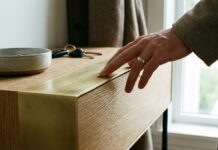
Handles and pulls transform a dated dresser or kitchen cabinets overnight. The trick? Choose interchangeable pieces. You want knobs that fit existing holes. This avoids the mess of patching old screw holes. It also means you can change the style later without damaging the wood.
Pick finishes that match your new lighting. Brushed nickel. Matte black. Brass. Consistency matters. It ties the room together.
know when to move on
You have a decision to make.
Some projects need help. Hiring a pro for electrical work is smart. It’s safe. It’s legal. It works.
Other changes? You can do those. Swap the hardware. Paint a trim. Add a rug.
Ask yourself one question. Is it old? Is it dated?
If you hesitate, the answer is yes.
Move on. Move up. Don’t cling to what’s tired.