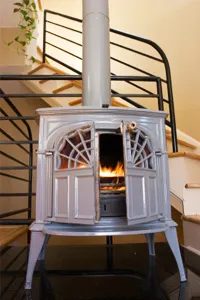
We all know the feeling. You want that crackle. That specific orange glow that makes a room feel like it belongs to you. It’s the reason people tolerate the drafty windows and the messy ash cleanup. Fireplaces scream “tradition.” They also scream “waste of money.”
Most open fireplaces are thermal black holes. They pull warm air out of your living room and shoot it straight up the chimney. You’re heating the sky, not your socks. If you’re tired of staring at a pretty flame while your heating bill climbs, you need to stop thinking about the fireplace and start thinking about the wood stove.
The pot-belly stoves of the past are gone. Modern wood stoves are engineered beasts. They burn cleaner. They burn hotter. They actually keep the house warm.
Why modern wood stoves beat the fireplace
It’s not just about aesthetics. There are hard numbers here. Wood is cheap. It’s renewable. It’s local. You aren’t at the mercy of global oil prices or gas line disruptions.
Sure, a certified wood stove still puts out more emissions than a natural gas unit. But compared to an open fireplace? It’s a different universe. You get far less pollution and way more heat retention.
But here is the trap.
A wood stove is only as good as its installation.
You can buy the most expensive, high-efficiency stove on the market. If you mount it wrong, if you ignore the airflow, if you treat the chimney like an afterthought, you just bought a very expensive paperweight. A bad install makes a stove perform like a fireplace. You’ll burn wood, get cold, and risk your house burning down.
How to install a wood stove safely
This isn’t a “wing it” project. This is about physics. It’s about getting heat into the room and keeping the flame contained.
You need to look at your house’s actual heating requirements. Don’t guess. Calculate. A stove that’s too small won’t heat the room. A stove that’s too large will overheat the space and force you to open windows to let the heat out. Waste.
The installation has to use natural heat movement. Hot air rises. Cold air sinks. Your setup needs to work with that, not against it.
The stovepipe matters more than you think
You can’t just stick a pipe in the wall. The stovepipe needs to be sized correctly. Too narrow, and you get creosote buildup. Too wide, and you lose draft. The pipe needs to go straight up as much as possible. Every elbow, every joint, every inch of horizontal run kills your efficiency.
Fire protection is non-negotiable
Wood stoves get hot. Really hot. You need proper clearances. That means space between the stove and your walls, your floor, your furniture.
You need non-combustible materials. Tile, stone, metal. Not carpet. Not wood paneling. Not “I think it’s fine.”
If you’re doing this yourself, you need to know the codes. Local fire codes exist for a reason. They tell you exactly how far your flue needs to be from the roof edge. They tell you what insulation you need around the chimney chase.


