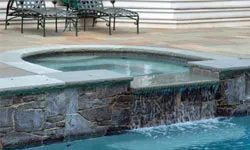
Hot tubs aren’t just giant outdoor bathtubs for holding a drink. Or for romancing a partner. They’re legitimate health tools. Hydrotherapy boosts circulation. It melts stress. Some models, called swim spas, even let you exercise in place.
Buying one is fun. It’s also expensive. And confusing. You’ll face a wall of upgrades, features, and options. Do you need the lights? The waterfall? The built-in stereo?
This isn’t a guessing game. You need a plan. Specifically, you need to lock down two things before you walk into a showroom: your budget and your space. Get these wrong, and you’ll end up with a tub you can’t afford or won’t fit. Get them right, and you’ll get exactly what you want.
Setting a Realistic Hot Tub Budget Without Hidden Fees
Money talks. In the hot tub world, it screams.
You can buy a basic shell. Or you can buy the deluxe experience. The gap between them is wide. And it’s filled with extras that add up fast. Colored mood lighting. Prime sound systems. Artificial waterfalls.
Here is the trap: most people fall in love with the bells and whistles on the sales floor.
Do your homework online first. Look at the catalogs. Decide what is essential. Decide what is fluff. If you see the waterfall feature online and think, “Nah, I don’t really need that,” you are less likely to cave when the salesperson points at it.
Basic models provide the core benefit: hydrotherapy. That’s the point of the tub. If that’s all you want, stick to it. If you want to entertain guests and create a sensory experience, set a budget that includes those luxuries. Knowing your limit beforehand prevents sticker shock. It keeps hidden costs down. It ensures you don’t have to strip features later to make the payment fit your bank account.
Measuring Your Space: How to Pick the Right Hot Tub Size
Budget is the first hurdle. Size is the second.
You cannot put a king-size bed in a studio apartment. Same logic applies to hot tubs. You need to measure your deck, your patio, or your backyard spot. Not just the length and width. The clearance too.
How much room do you need around the tub for maintenance? For access? For airflow if it’s electric?
A big tub looks impressive. But if it crowds your deck, it becomes an obstacle. If it blocks a door, it’s a liability. If it’s too heavy for your existing foundation, it’s a disaster.
Measure twice. Buy once.
“Choosing the right spa for your needs means sorting through many options.”
Don’t just look at the tub’s dimensions. Look at the footprint. Look at the weight. Look at where the power hookup is.
Next, we’ll talk about placement. Where you put it matters as much as what you buy.


Match the capacity to your actual usage
So you’re picturing that cozy two-person nook. Or maybe you’re dreaming of a party central that swallows eight people whole. Don’t just guess. Pick the size that fits your life, not your fantasy.
A smaller spa is cheaper to buy. It’s also cheaper to run. The electricity bill won’t make you flinch. But here’s the trap. You buy the small one. Then you have a kid. Or you decide to host friends. Now the tub feels like a fish tank.
If you plan to entertain, or if your kids want to drag their friends in for a dip, you need space for four. Maybe more.
Going big for six or eight people sounds fun. It is. Until you look at the price tag. Then you look at the ongoing maintenance costs. Heating that much water every night adds up. Calculate the expense before you dive in. Literally.
Choose between lap-style therapy and standard relaxation
Most people buy hot tubs to chill. To unplug. But some folks use them as rehab tools. Low-impact exercise isn’t just for the gym. It’s for the tub too.
Look for longer models. They look like lap pools. You swim in place. The current pushes back. It’s a swimming treadmill.
Shape matters here. A long rectangular tub works best for laps. But even a wide circular one can help. The water provides resistance. You build muscle strength without the joint pain. The jets pulse. They aid circulation. They loosen tight muscles.
Think of it as physical therapy that feels like a vacation.
In-ground vs. Above-ground: Which setup works for your yard?
You have two main paths. In-ground or above-ground.
Most above-ground units are self-contained. They come with the pumps. The connections. The works. You set it down. You fill it. You go.
In-ground models are different. Some above-ground ones are too. They often come without built-in components. You customize it. You buy separate parts. It’s flexible. It’s also complicated.
Don’t try to figure this out alone. A reputable dealer can sort out the options. They’ll tell you what fits your yard. They’ll break down the costs. Let them do the heavy lifting on the logistics. You just pick the finish.
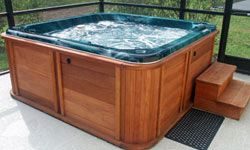
Test the Fit Before You Buy
Get in. Seriously.
You can look at specs all day. It doesn’t matter. You need to sit in a filled, running tub. A shell that feels rigid and awkward on dry land transforms when you’re floating. Buoyancy changes everything. Your weight distribution shifts. Your back relaxes differently.
Move around. Test every seat. Check the mold. Does the curve support your lower back or just poke into it? If you’re bringing guests, think about space. Is there too much knee-to-knee contact? Or is there enough room to stretch your arms out along the edge?
Jet placement matters more than jet count. More isn’t always better. Bad placement is worse.
Sit down. Move. Do you feel a jet poking your thigh every time you shift? That’s a comfort killer. But you still need power. Make sure the pumps can actually massage tired muscles. Check the controls. Are they easy to adjust without fumbling with knobs while you’re wet? If the settings are clunky, you’ll hate the experience.
How to Lower Hot Tub Operating Costs
Luxury often comes with a headache. If a hot tub requires too much maintenance, it becomes a chore, not a retreat. You want efficiency.
Spas drink electricity. They also use water. The pump size needs to match the tub volume. Don’t oversize it. Don’t undersize it.
An eight-person in-ground spa costs more to run than a two-person above-ground unit. That’s physics. But you can control the damage.
Look for energy-efficient pumps. Check the insulation on the cabinet and shell. Better insulation means less heat loss. Less heat loss means your heater doesn’t work as hard. That saves money.
Do the math before you dig.
Research green options. Some models use variable-speed pumps. They adjust flow based on need. This cuts power usage significantly. It’s not just about the sticker price. It’s about the monthly bill.
Picture the routine. Cleaning the filter. Checking the chemicals. Heating the water. Does this fit your lifestyle? If the upkeep feels like a second job, pick a simpler model. Or a smaller one.
Suit up. Get the work gloves. The chemical tester. The cover. You’re going to need them.
Where to Find Reliable Hot Tub Info
You won’t find everything here. Good thing the web exists.
Dig deeper. Look for user reviews, not just manufacturer brochures. Forums are gold. Real people talk about real problems. Leaks. Pump failures. Chemical imbalances.
Check local suppliers. They often know which brands hold up in your specific climate. Cold winters need different insulation than mild springs.
Ask questions. How long does the warranty last? Who handles service? Is there a technician nearby?
Don’t rush. This is a big buy. It stays in your backyard for years. Make sure it’s the right fit. For your body. For your budget. For your patience.


