You have probably done it. You are flipping through a glossy design magazine, staring at a dining room that looks like a museum exhibit. The lighting is perfect. The furniture is iconic. And the price tag? It might as well be printed in gold leaf. It is beautiful, sure. But it is also completely out of reach for most of us.
February is usually a month for hunkering down. You want cozy. You want warmth. You are waiting for spring. Yet, your bank account is still recovering from holiday spending and summer vacation plans. Dropping a full month’s salary on a single chair feels insane. It feels wrong.
But what if you could have the look? The elegance. The noble materials. All of it, but for a fraction of the cost.
This is the interior design miracle everyone is talking about. It is not just a knockoff. It is a smart way to get that specific Scandinavian vibe without the financial hangover.
Replicating the Legendary CH24 Wishbone Chair
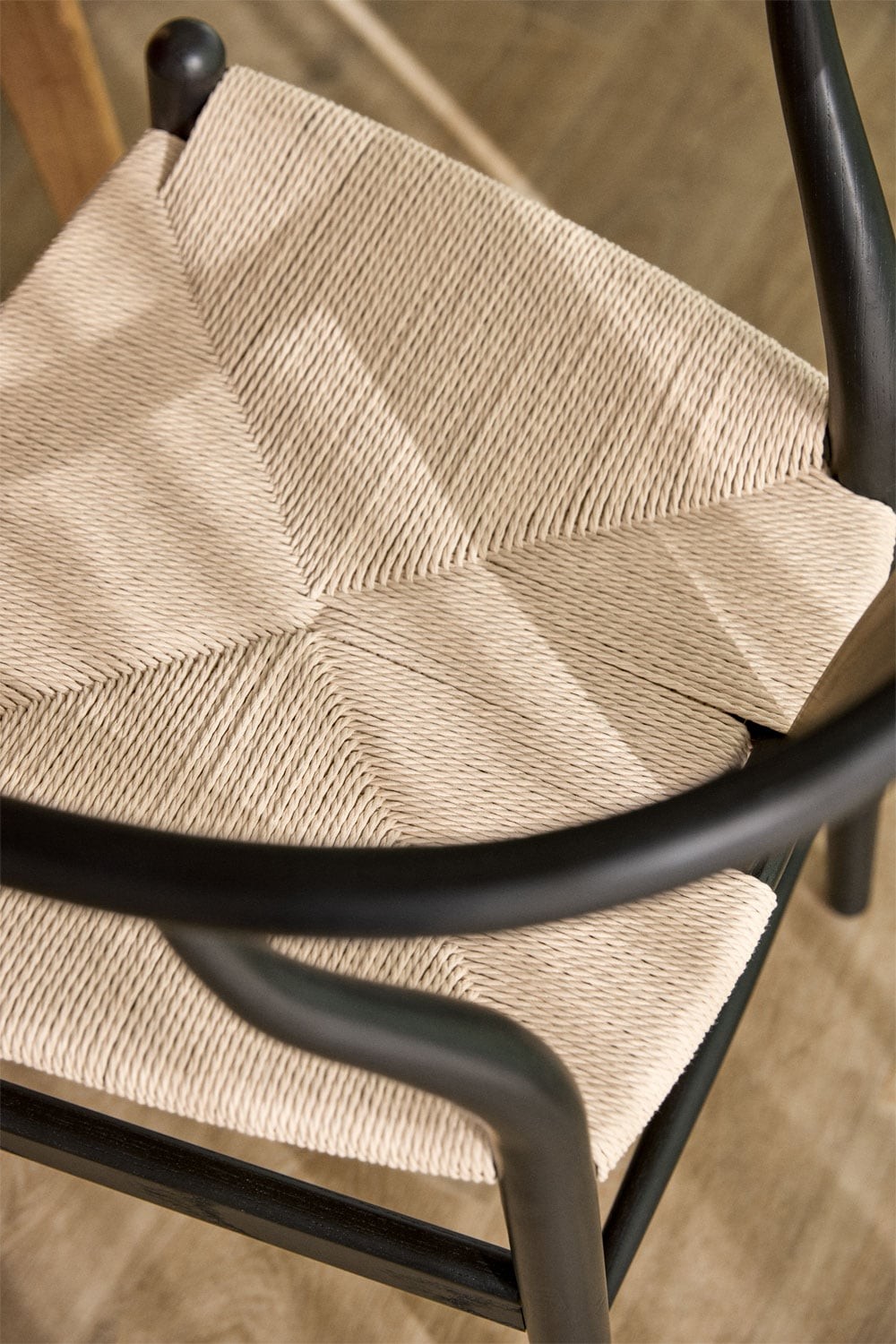
Certain pieces of furniture achieve myth status. The Wishbone Chair, or CH24, is one of them. Designed by Hans Wegner and produced by Carl Hansen & Son, it is a staple of mid-century modern decor. The backrest forms a ‘Y’ shape. It looks like a wishbone. Hence the name. The seat is woven paper cord. It is the definition of organic design. It is comfortable. It lasts forever.
Here is the problem. The original often costs around €1,000 per chair. Buying six of them? That is not furniture. That is a real estate investment.
The design world has shifted. Loving nice things no longer means going broke. You can have that clean, peaceful aesthetic without sacrificing style or durability. A new option has emerged that captures the soul of this mythic design. It costs way less. You can actually afford it.
Mastering the Finish with Sklum Elm Wood
The secret lies in the materials. The brand Sklum has nailed the finish. They are using elm wood. Elm is heavy. It is dense. It has a grain that tricks the eye. It looks like the expensive stuff. It feels like the expensive stuff.
The finish is not a cheap veneer. It is a true wood treatment that mimics the patina of aged, high-end Scandinavian furniture. When you run your hand over the armrests, you feel the texture. You see the grain. It does not look like plastic. It does not look like particle board.
This matters. Because when you bring a piece like this into your home, it changes the vibe. It anchors the room. It makes the dining table feel intentional. Not cluttered. Intentional.
“Elm wood offers a natural variation in grain that synthetic materials simply cannot replicate.”
Why Elm Wood Changes the Game
Most budget chairs use pine or rubberwood. They are soft. They dent. They look generic. Elm is different. It is harder. It is more resistant to wear and tear. This is important for a dining chair. You are moving it around. You are setting down heavy plates. You are leaning back.
The density of elm means the joints hold tight. Over time, softer woods can loosen. Elm stays put. This is a practical detail that affects longevity. It affects how the chair feels after five
The Orme Wood Alternative to Designer Chairs
Skip the markup. I’m talking about the Uish Edition chair from Sklum. Look at it. That curved silhouette is unmistakable. It wraps around your back without boxing you in. It creates visual space. It feels light.
The difference here isn’t the shape. It’s the soul of the materials.
You get solid orm wood (elm). It has strong grain. It’s warm. It fights off that winter gray. The seat uses natural paper cord weaving. It’s flexible. It feels good to touch.
This chair captures a cozy, artisanal vibe. It doesn’t scream “fast trend.” It whispers “durable elegance.” It fits into boho, Scandinavian, or contemporary spaces. It adds soul.
Why This Under 150 Euro Chair Is a Smart Buy
Let’s be real. Price is the main hook.
The Uish Edition costs 139.95 euros. That is roughly one-tenth the price of the original designer version. For the cost of one luxury chair, you could furnish a whole dining room with these. That frees up budget. Maybe you buy a pendant light. Or a plush rug for cold tile floors.
But money isn’t the only reason this makes sense for early 2025.
- Versatility: Don’t just tuck it into a dining room. Put it at a desk for remote work. Use it in the bedroom for clothes.
- Durability: The elm wood frame holds up. Kids can climb on it. You won’t panic about damaging a priceless antique.
- Natural Aesthetics: February needs light. The light wood and natural cord catch the sun. They warm up the room instantly.
This is democratized design. It doesn’t sacrifice quality for cost. It lets you enjoy style without financial guilt.
Feeling good at home isn’t about spending more. It’s about harmony. It’s about thoughtful choices. Adding a piece like this proves you can build a refined, welcoming nest. You keep your feet on the ground.
The spring isn’t here yet. But your dining room doesn’t have to wait.


