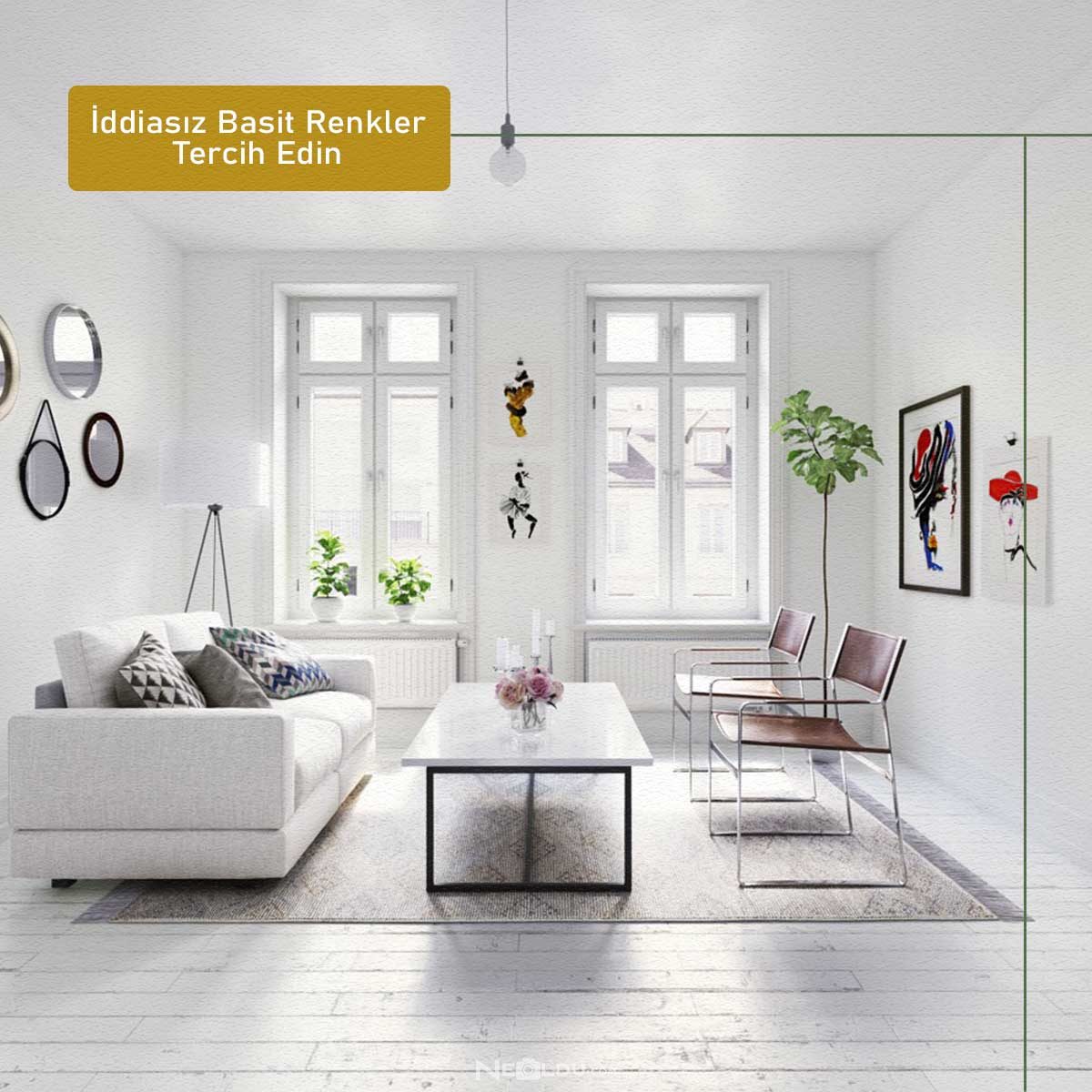
In the midst of fast-paced life, home should be our only refuge. Minimalist decoration purifies unnecessary visual noise in this shelter, creating a simple, spacious and functional atmosphere. When you organize your home with this philosophy, you create a peaceful living space with elements that do not tire the eyes. So, what is the first and most critical step among minimalist decoration suggestions?
Simplicity in Color Palette: Neutral Tones and Matmal Effect
Choosing unpretentious, simple colors in home decoration forms the basis of minimalist style. Instead of bold patterns or striking color blocks, focus on tones that stay in the background. White, off-white, beige, light gray and earth tones create a feeling of spaciousness in rooms.
These colors create a backdrop that does not tire the eyes. Choose matte paint for your walls; Shiny surfaces can scatter light and make the space look more complex. Use this neutral palette consistently in your furniture or textiles. You don’t have to stick to one color, but the hues should be in a complementary family.
“Minimalism is not lack, but conscious choice.”
This approach gives the feeling that every object in your home has a purpose. Color integrity is the fastest way to visual peace.
2. Pay attention to quality, not quantity, in your decoration
It is extremely important to use simple and calm colors that do not tire the eyes in minimalist decoration. When adopting this approach, you should prefer soft colors such as white, grey, pastel and earth tones. You can avoid a crowded appearance by choosing sofas, carpets, curtains and other large furniture or accessories in harmonious colors. If you take care to shape your entire design around a single color palette, you will have an easier time achieving a minimalist stance.
3. Paint your walls white or light colors
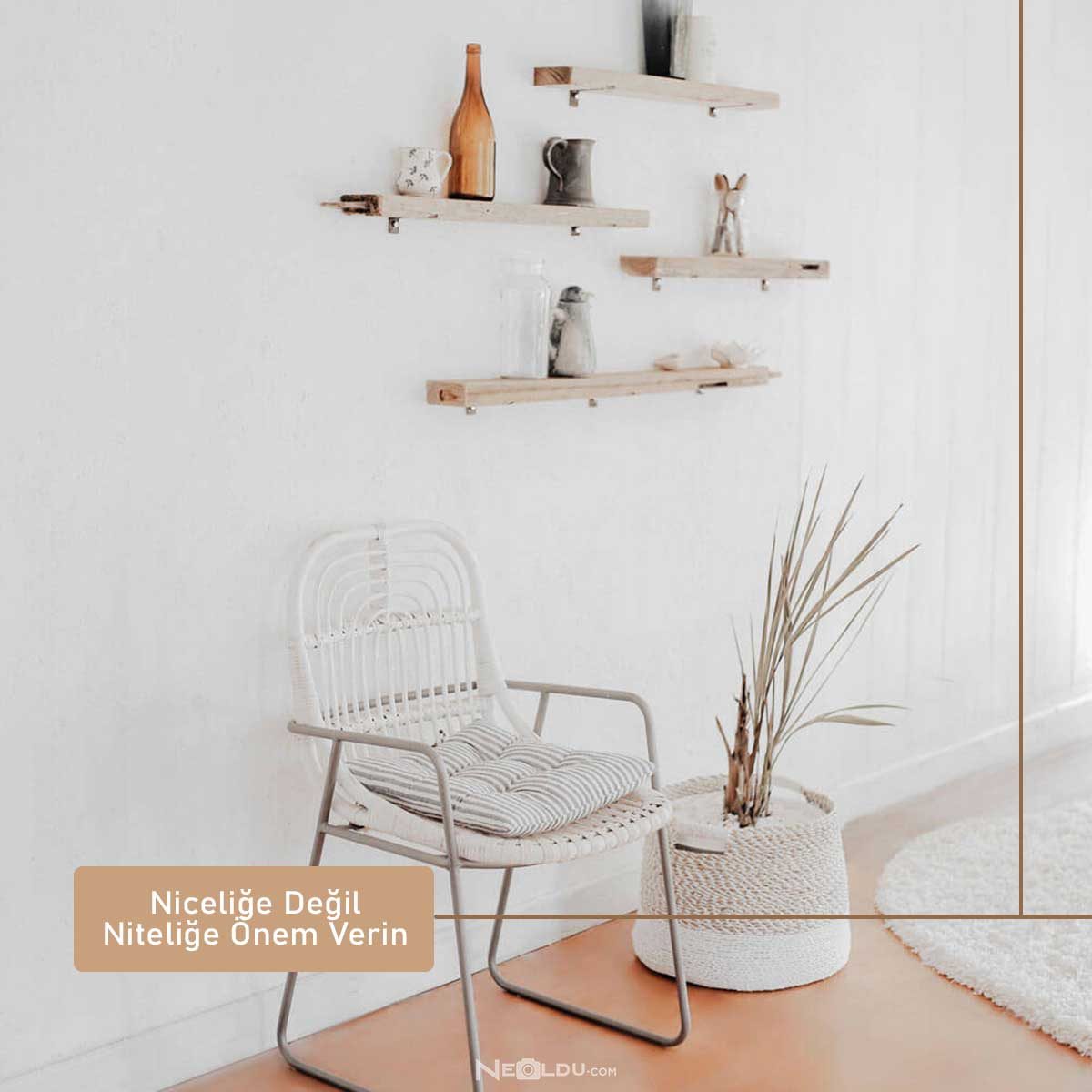
Minimalism advocates removing excess from our lives. For this reason, you should get rid of all the items in your home that you do not use and that only create visual pollution. Choose fewer, but functional and high-quality furniture. Keep accessories that are used frequently or that are easy on the eyes, and put away everything else. Thus, you get both a spacious feeling and a tidy appearance.
Paint selection: Why do light tones work?
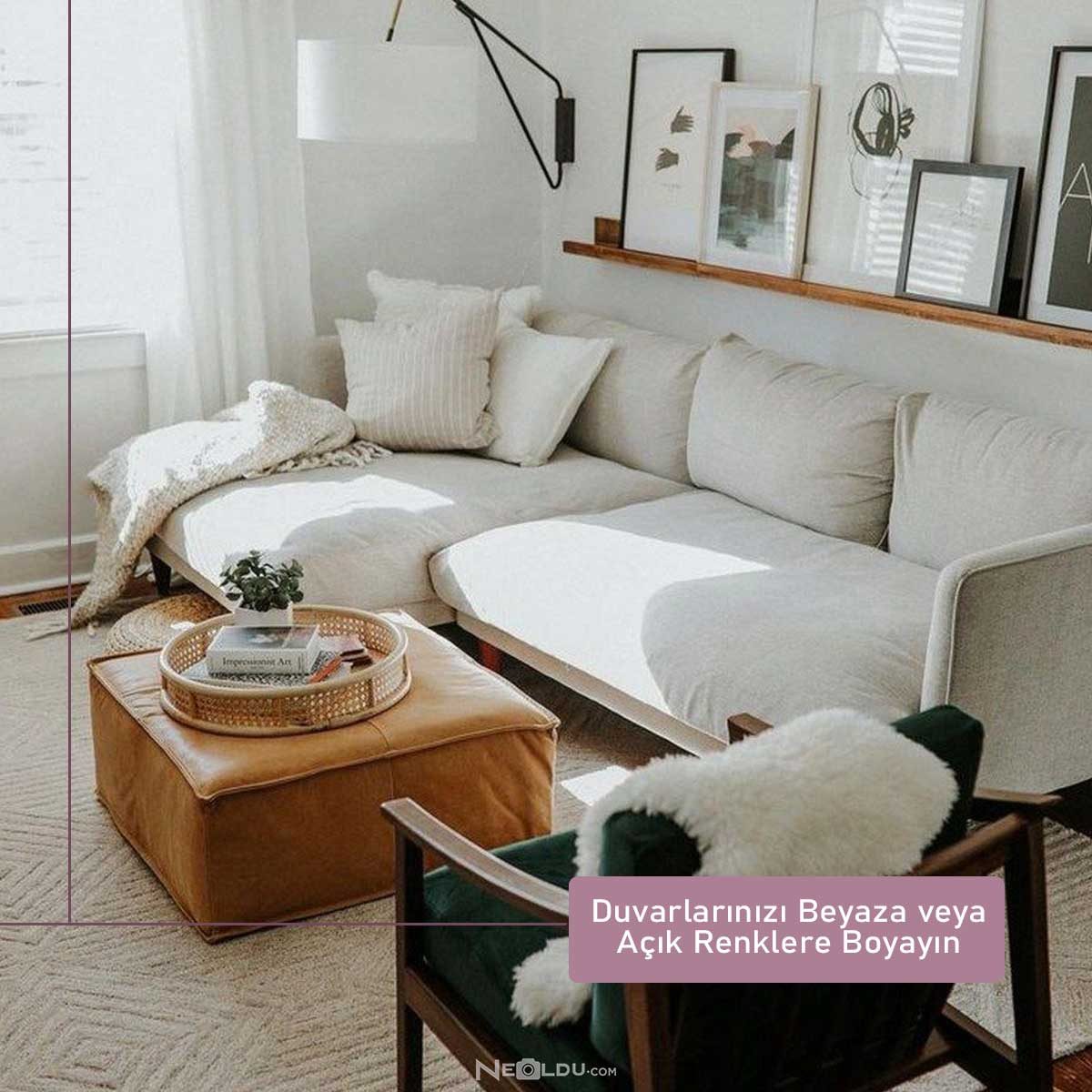
Dark colors can be dramatic, but they’re often counterproductive for a minimalist aesthetic. White and light colors make the room look spacious. The eye perceives fewer obstacles on open surfaces. This is especially critical for homes with small square meters.
Which color to choose? Pure white (such as RAL 9003) is the safest harbour. It reflects light and disperses shadow. If there are defects on the wall, the very bright white will spot them. Then soft gray-whites or off-whites will cover better. Use matte paint. Glossy surfaces concentrate light into a single point, which deviates from minimalist simplicity.
Application steps and things to consider
Preparation is everything. Sand the wall. Remove any roughness from the old paint. Dust off. Fill the broken areas with putty. Painting without cleaning sabotages the results.
Tools:
– 10-12 cm wide roller (for large surfaces)
– 5-7 cm wide brush (for corners and edges)
– Paint tray
– Tape (for ceiling and skirting)
Let the first layer be thin. Wait for it to dry. The second layer will be fuller. Two coats work better than three coats because it creates a smoother film. A third coat is often unnecessary if your paint is of good quality.
Safety: Paint smell can cause headaches. Open the window. Ventilate. Wear gloves. Goggles are useful, especially when using a roller as there may be splashes.
“Minimalism means doing fewer things better.”
The color should stand behind the furniture. Don’t let it stand out. The white wall highlights a wooden chair or a metal lamp. The dark wall swallows the furniture.
Common mistakes
Pay attention to tape quality. Cheap tape runs the risk of ripping the wall after the paint dries. Use good quality paper tape. Do not remove the paint immediately
Paint walls white to create a minimalist foundation
White is the most striking element in minimalist decor. It makes the room feel brighter and larger. You also eliminate distracting elements to create a simple atmosphere. When white walls meet wood or pastel-toned furniture, you get a modern and eye-catching look.
Start with your largest surface. The walls.
4. Create small design touches in your home
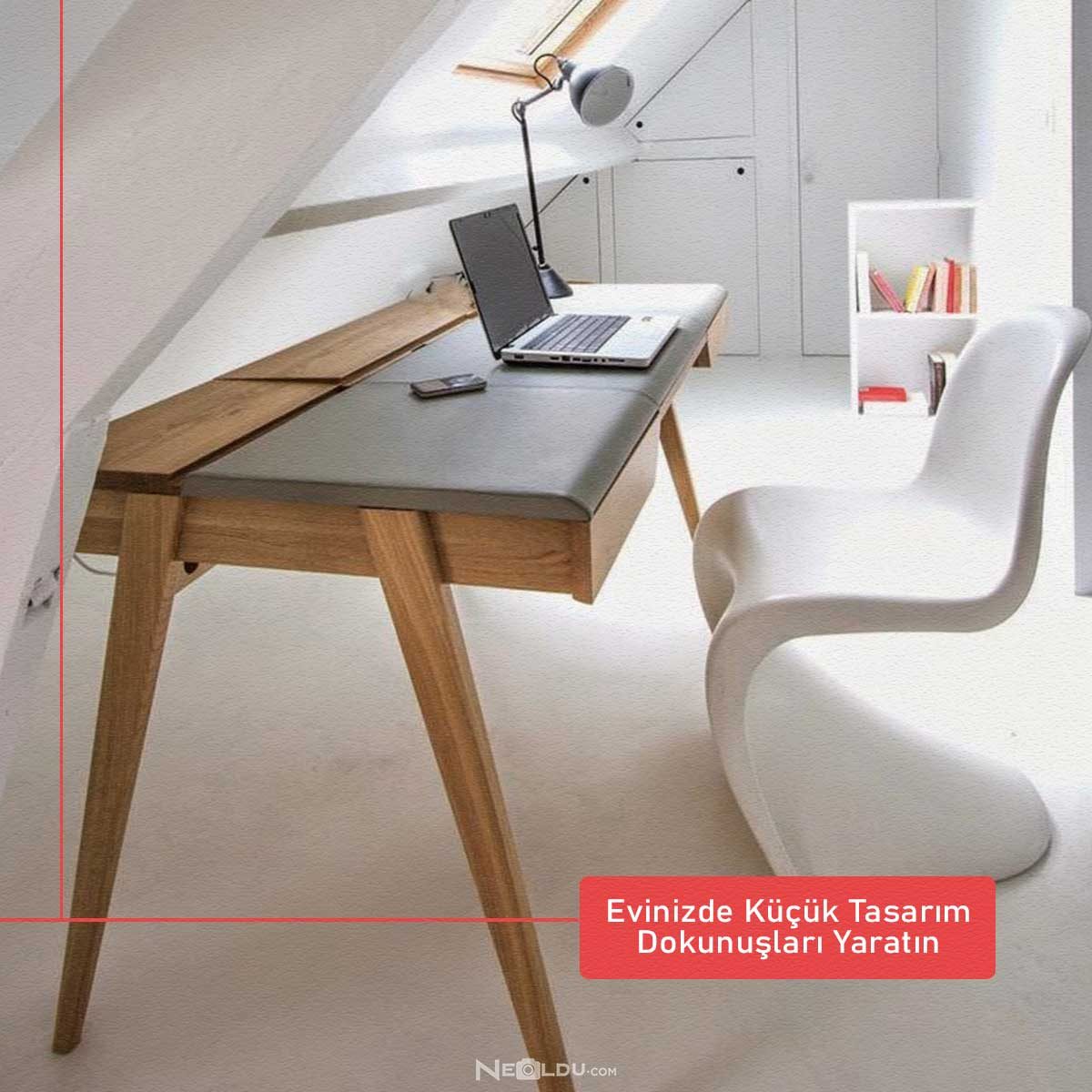
Small details matter. A single vase. A textured rug. A set of ceramic mugs. These items define the space without cluttering it. Keep the scale manageable. One focal point per room is usually enough.
- Choose natural materials: Wood, linen, and stone add warmth.
- Stick to a neutral palette: Beige, cream, and soft gray work well together.
- Add one statement piece: A sculptural lamp or a large abstract print.
Don’t overdo it. Minimalism is about subtraction, not addition.
“The fewer the elements, the more each one matters.”
Check the lighting. Natural light is your best friend. Open curtains during the day. Use warm LED bulbs in the evening to avoid harsh shadows.
Where do you start? Pick one room. Paint the walls. Remove unnecessary items. Add one or two pieces that make you happy. That’s it.
White. Just white.
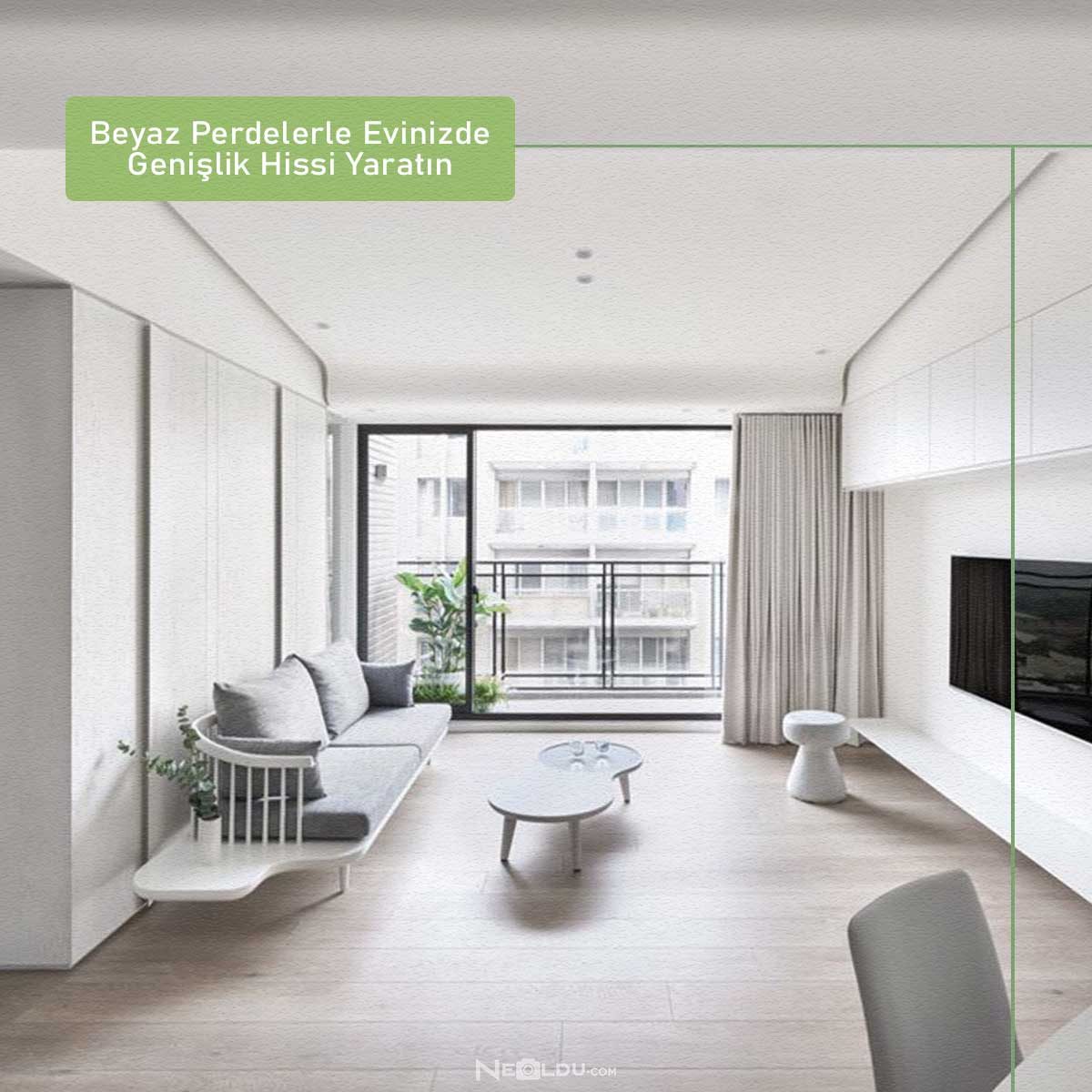
Let your curtains absorb the steam.
Large windows, combined with the right fabric, physically expand the room. The eye imagines beyond the walls while searching for the source of light. In a narrow living room, this is more effective than an expensive architectural intervention.
White curtain selection: Thickness and texture
Which white will you choose?
Satin, velvet, fine linen?
The material determines the behavior of light.
* Fine linen: It transmits light freely. The room remains airy.
* Angular textured fabrics: Refracts light and creates depth of shadow.
* Liner: If you want full darkening, a second layer is required to be placed under the white.
Tulle is the safest version of white. Shows dust, yes. But that soft filter of the sun cannot imitate anything.
Suspension height: To raise the ceiling
Do not attach the curtain to the window sill.
Above. Close to the ceiling.
This adds verticality to the room.
Is the ceiling low? The curtain should extend to the ceiling.
Is the window small? It should extend beyond the edges of the curtain.
For assembly:
– Fix the curtain rail at ceiling level.
– Select screws according to wall type (flat screw for wood, dowel for concrete).
– Calculate the rail length as at least twice the window width.
Light control and energy efficiency
White creates reflection.
But it can also increase heat loss in winter.
Thermal-lined white curtains give a feeling of spaciousness and make a small contribution to wall insulation.
Shoot in winter. Open in summer.
Simple. But it’s a neglected detail.
Maintenance: Keeping white white
White does not forgive stains.
Dust penetrates into the fabric of the fabric.
Washing twice a year is sufficient.
Do not dry at high heat. The fabric becomes shorter, the shedding is distorted.
Air dry instead of tumble drying.
The weight of the fabric preserves the natural state of the drape.
“The white curtain is the silent architect of the room. It pushes back the wall, raises the ceiling, invites light.”
So, is yours high enough?
Probably not.
Move the rail 10 cm higher.
The difference is felt at first glance.
6. Natural material furniture adds texture without clutter
Minimalism isn’t about stripping a room until it feels like a hospital waiting room. It’s about stripping it until only the things that matter remain. Furniture made from natural materials fits this bill perfectly.
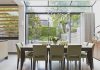
Think oak, walnut, or light maple. Avoid furniture that feels too synthetic or overly polished. You want grain. You want a surface that changes slightly in the light throughout the day. When you choose a solid wood dining table or a raw linen sofa, you introduce warmth that cold metal or plastic cannot replicate.
This choice directly affects how you select window treatments. If you have heavy, dark drapes, they fight against the open, airy vibe of natural wood. That’s where the lighting strategy comes in.
How to maximize daylight with minimal window coverings
The goal here is simple: let the outside in. Dark, heavy curtains absorb light and visually shrink a room. They make corners feel heavy. Instead, look at white or semi-transparent options.
- Sheer curtains: These filter harsh midday sun while still letting in a wash of natural light. They add a layer of softness without blocking the view.
- Roller shades: A clean, modern option. Choose a light, matte fabric. They retract fully, leaving no visual clutter at the top of the window frame.
- Vertical blinds: Useful for sliding glass doors or very tall windows. Keep the slats in a neutral tone.
Why does this matter for your renovation? Because perceived space is often more important than actual square footage. When light floods a room, the boundaries become less rigid. A small living room with high ceilings and floor-to-ceiling windows feels expansive. A room with the same dimensions but blocked by thick velvet drapes feels boxed in.
Pair your natural wood furniture with these light-permeable window treatments, and you create a cohesive aesthetic. The wood grounds the space, the light lifts it. No extra decorations needed. The material and the light do the work.
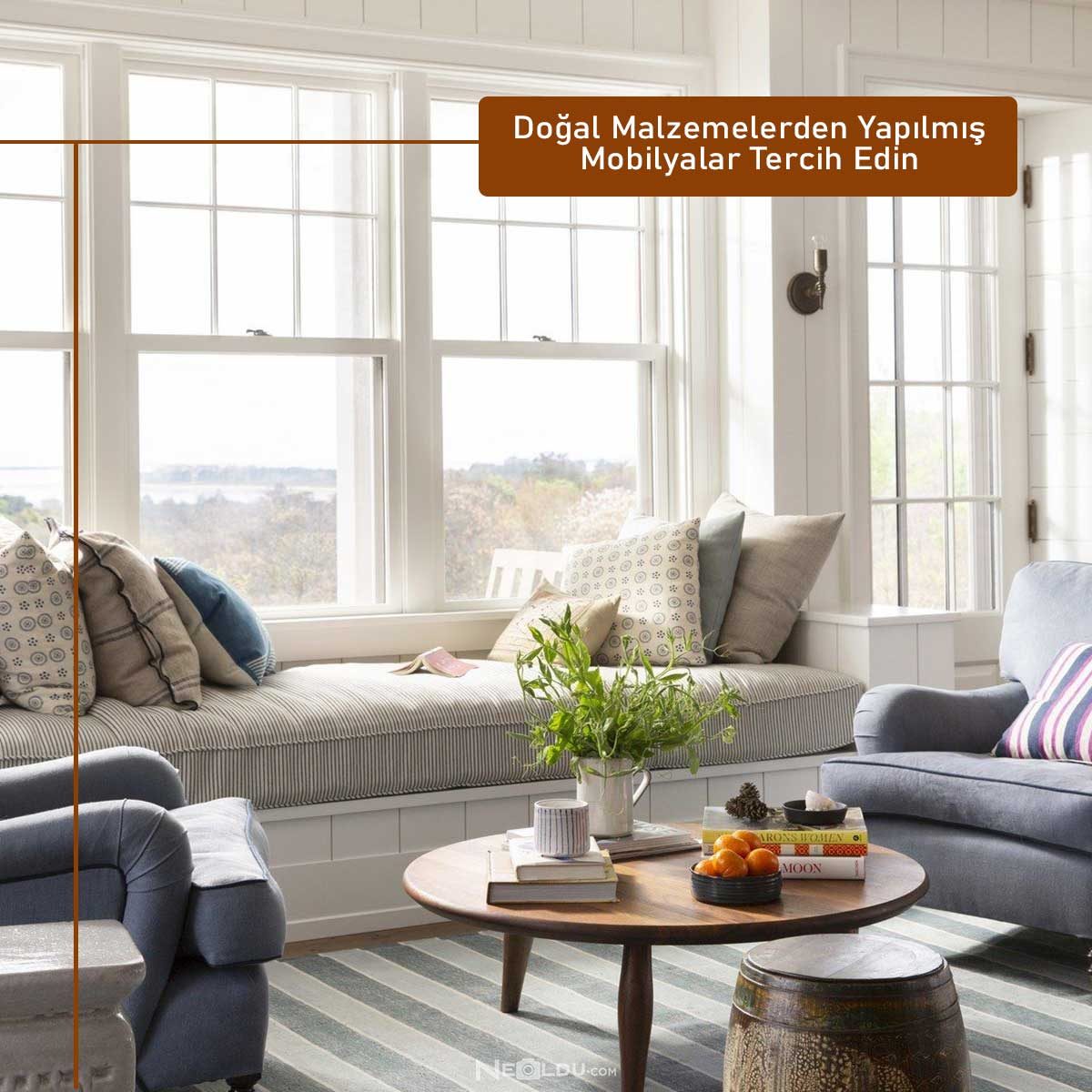
The minimalist approach centers on naturalness and sustainability. Materials such as wood, bamboo and metal are both durable and aesthetic. These choices add warmth to your home.
7. Use accessories that will emphasize the overall decoration
Do not overdo the decoration. Every piece should serve a purpose. With a vase? With a book? Select.
Accessories strengthen your minimalist style. But too much is noise. Stay balanced. Natural materials facilitate this balance. Look for a wooden coffee table. A bamboo flower pot. A metal lighting. They all speak the same language.
Sustainability isn’t just a trend, it’s a mindset. Long-lasting furniture does not produce waste. Wood gains character over time. Bamboo is light but strong. Metal provides a modern touch. This trio is the backbone of the minimalist home.
Materials that emphasize naturalness add warmth to your home. In a cold minimalist space, wood gives a sense of touch. Bamboo adds a natural rhythm. Metal provides clarity. All together, they form an aesthetic integrity.
Be careful when choosing accessories. Each one must tell a story. An object, a memory. A texture, a feeling. Minimalist decoration lives with meaningful details, not spaces.
Sustainability is a long-term investment. Wood, bamboo and metal will last for years. These materials ease both your eyes and your conscience. Aesthetics and ethics meet here.
Choose accessories that will emphasize the decoration. But stay in moderation. A few pieces are enough. Natural materials establish this balance. Wood, bamboo and metal are the cornerstones of the minimalist home.
Home warmth is hidden in the details. Look at a wooden spoon. A bamboo flower pot. A metal cup. They all speak the same language. Your minimalist line is strengthened with these details.
Sustainability is not a choice, it is a necessity. Wood, bamboo and metal are long-lasting. These materials do not produce waste. Aesthetics and function come together here.
Accessories emphasize the overall decoration. But don’t exaggerate. A piece, a memory. A texture, a feeling. Minimalist decoration lives with meaningful details, not spaces.
Materials that emphasize naturalness add warmth to your home. Wood gains character over time. Bamboo is light but strong. Metal provides a modern touch. All are one
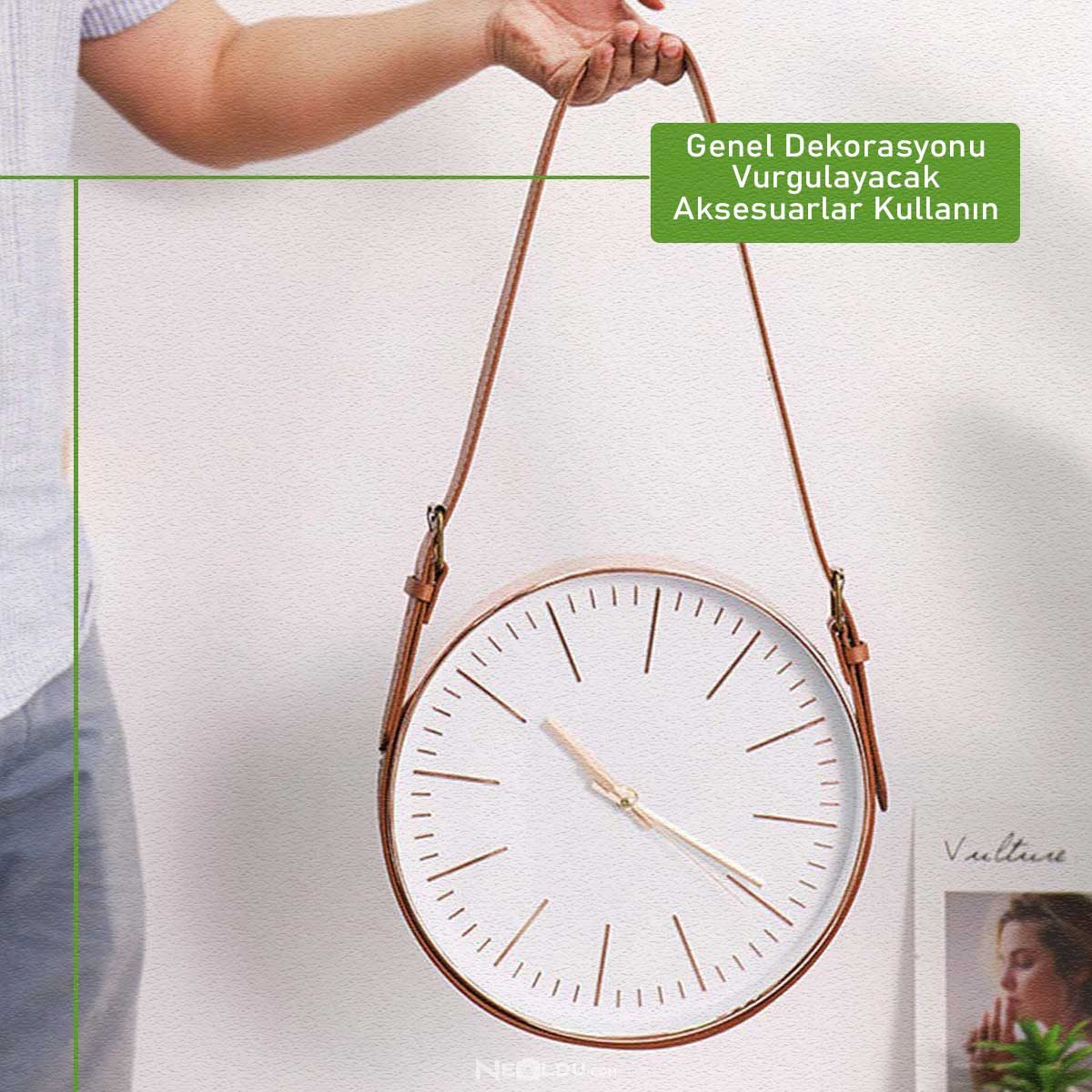
Accessory balance in minimal homes
Unless you want a completely bare area, the rule is “less but more”. Not a chest full of ornaments, just a few strong pieces. A single modern sculpture placed next to a simple sofa set will draw all the attention there. Or a single, stylish painting to hang on a wall.
Choose frames with the same logic. Do not hang them in piles. One, maybe two. Anything more becomes noise. Find that one item that will touch the soul of your home.
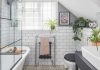
Plants are the trick. The most overlooked element in the minimalist layout is greenery. If you do not want a dry and lifeless environment, make room for plants. Simple plants like pothos or monstera break up that boring plain look on the walls. It brings vitality. It makes the space breathe with its texture and color.
“Selecting few but effective accessories is the key to ensuring integrity.”
These pieces won’t turn your room into a showroom. It just adds that finishing touch that’s been missing.
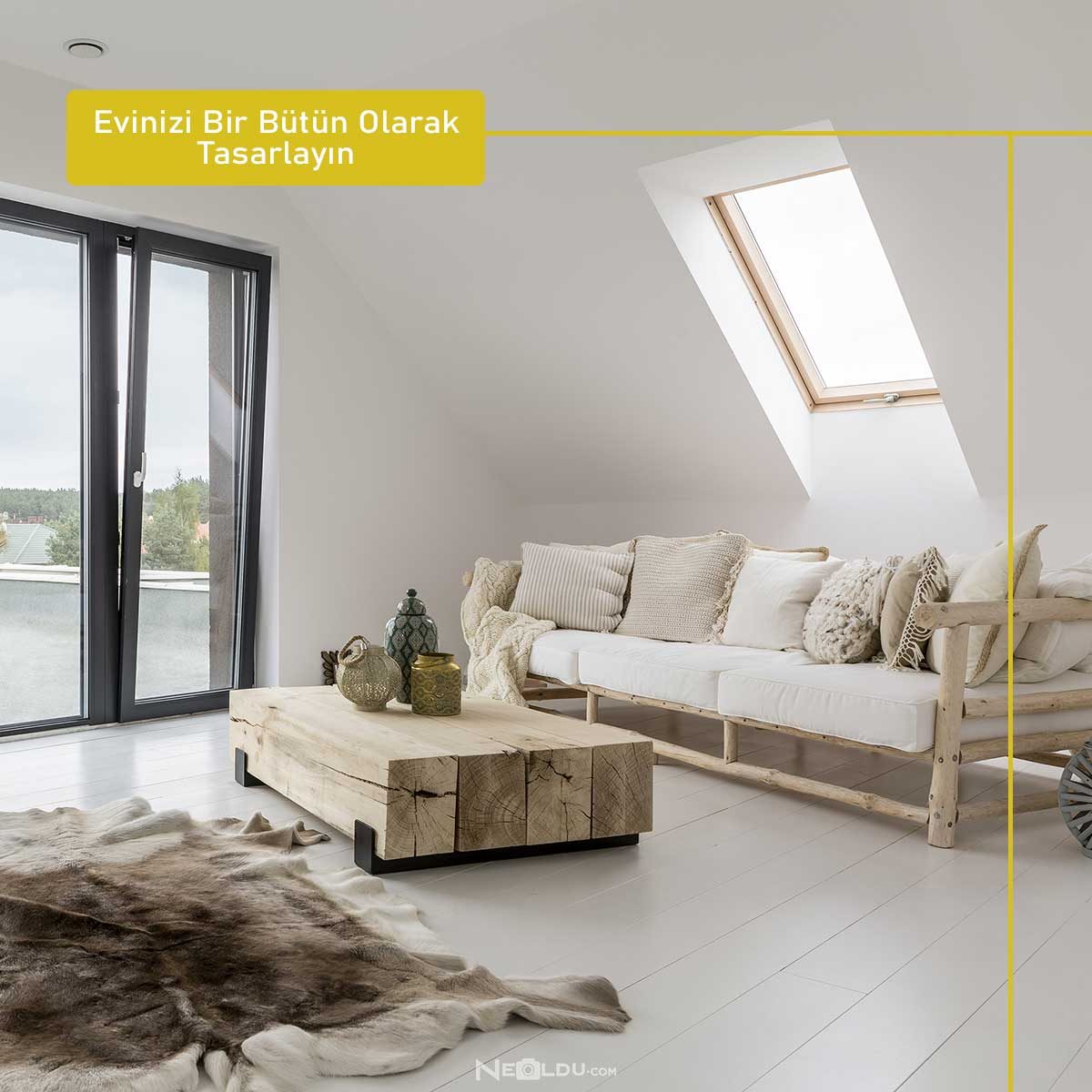
In minimalist decoration, each room should be in harmony with the other room.
Aggressive color transitions or style differences tire the eyes and mind. Therefore, equipping every corner of the house with similar color palettes and design elements allows you to create a consistent look throughout your home. You must achieve a harmonious style from the entrance to the living room, from the bedroom to the kitchen.
9. Remove curtains from your life
Curtains seem like a necessity in most homes, but in a minimalist home they are one of the items that take up the largest volume. Moreover, the fabric gives a sense of layering and movement; This ruins that “clean line” aesthetic.
Look at the window. What do you see? Outside view? Or is it that thick piece of fabric?
Jalousi or roller blinds are the most practical solution.
– Mechanism: Choose simple, one-touch systems.
– Color: Choose the tone closest to your wall color. Visually it should be “none”.
– Material: Durable fabric or fine wood.
Another option is a simple rail system without a function.
– The rail should be hung close to the ceiling and the curtain should be completely adhered to the wall.
– Folding depth should be kept to a minimum.
Why is it so important?
Curtains are a must for light control, yes. But it is possible to control it without creating volume or producing visual noise. A window should look like the wall itself.
Pay attention to:
– Must be stable. There is also the idea of removing the curtain completely and adding a transparent glass instead, but this is not practical in most homes.
– Shadow control: A roller blind or jalousi allows you to direct light at any time of the day.
– Cleaning: If it is not fabric, dust will not accumulate.
Raise the curtain. See the wall. See the window. Let there be air flow. The space in the room increases. The mind relaxes.
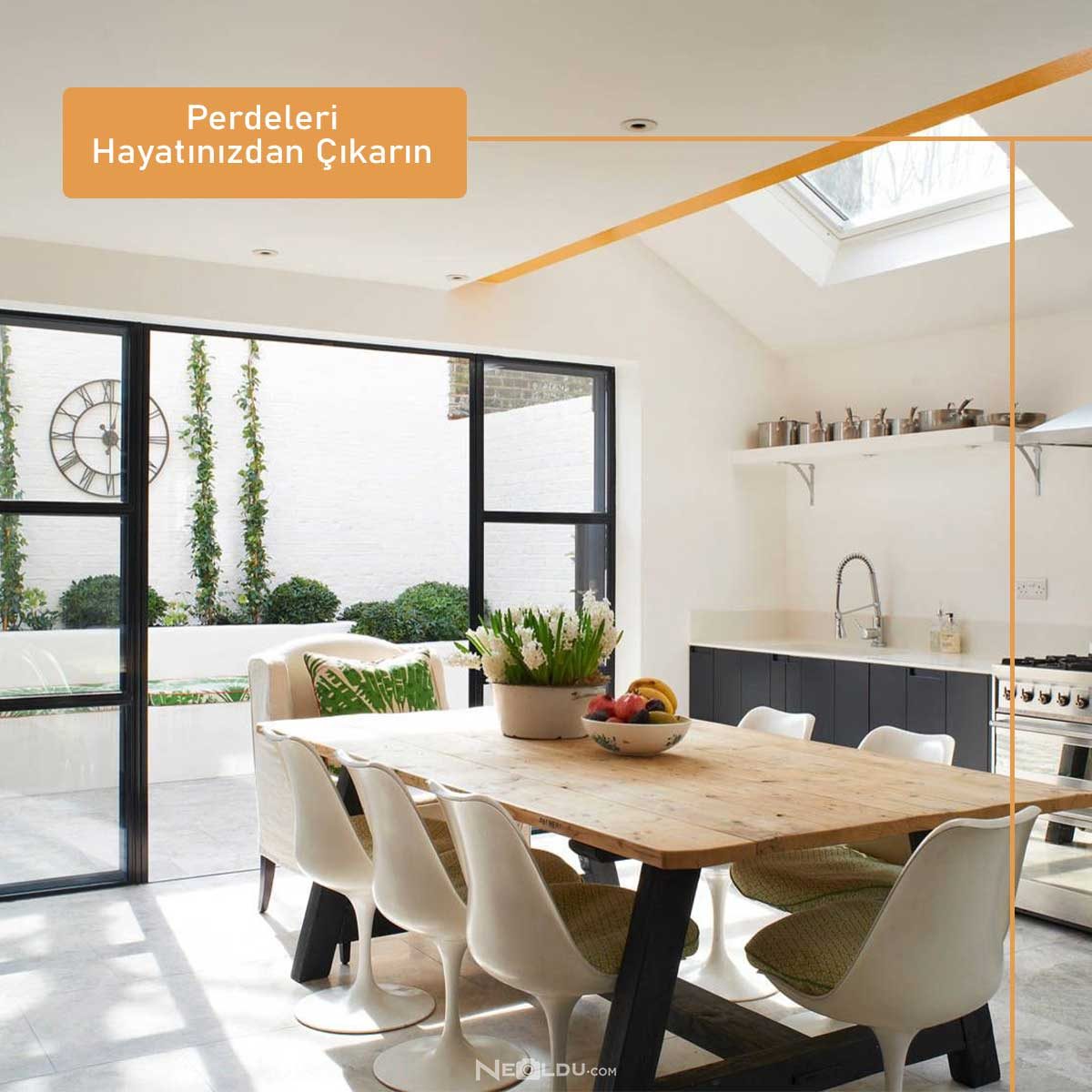
Since minimalist decoration is based on the principle of not containing any unnecessary elements, it also questions the use of curtains. If there are no privacy or sun-related problems where you live, you can leave the windows open and saturate your home with natural light and views. In cases where this is not possible, you can solve the problem without adding too much detail by choosing a white or very thin fabric.
10. Choose white color for lighting
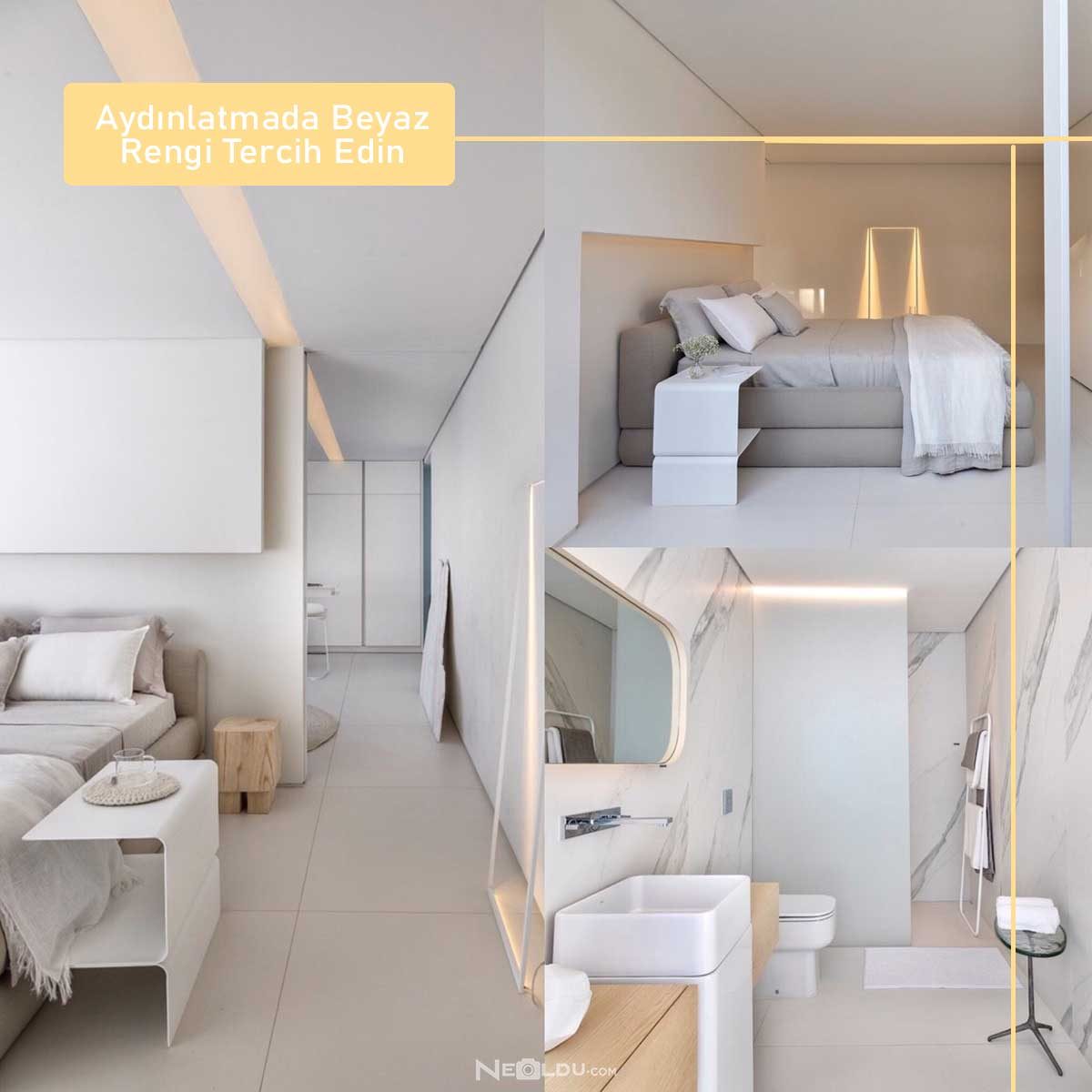
Light is the skeleton of a minimalist house. When painting walls, choosing floor coverings and planning furniture placement, the most noticeable details are actually reflected from lighting sources. White light, in neutral tones around 4000 Kelvin, makes the space look “clean”. Yellow light, on the other hand, instantly ages the room, shading corners and stifling a minimalist layout.
The most practical change you can make at home is to replace your existing light bulbs with LED versions. No external tools are required, just a ladder and the knowledge to remove old bulbs. When purchasing, look at the “Kelvin” value on the box. 2700K is “warm white”, 4000K is “neutral white”. For a minimalist look, choose 4000K. Very cold (above 5000K) lights can make the room feel like a hospital corridor. So don’t overdo it.
If you use ceiling spotlights, floor lamps or wall sconces, they should all maintain the same Kelvin value. Mixed colors are the quickest disruptor to a minimalist aesthetic.
Safety note: Before intervening in the electrical installation, disconnect that circuit from the fuse. Although bulb replacement is a simple task, it is always a wiser decision to consult a qualified electrician if there is grounding or old wiring.
The light color even changes the way the wall paint is perceived. The same white paint looks creamy under yellow light and pure white under neutral light. So when choosing a paint sample, test it in the lighting conditions in which the room will actually be used. In the evening, when the lights are on, look at the wall. Your light sources determine the true color of the room.
How to Light a Minimalist Home Without Killing the Vibe
Lighting dictates the mood. In a stripped-back space, it is the one element that can make or break the whole room.
Focus on natural light first. Keep windows clear. If you must use artificial light, go white. Not warm yellow. White bulbs mimic daylight and keep the space feeling open and clean. Yellow light is cozy, sure. But in a minimalist setup, you want clarity. You want the architecture to breathe.
Swap those dimmer-heavy fixtures for standard ceiling lights with white LED bulbs. It sounds simple. It works.
What to Keep and What to Toss
Minimalism is not just about buying less. It is about keeping less.
- Declutter aggressively. If you have not used it in six months, it goes. Donate, sell, or trash it. The point is not storage. The point is space.
- Limit your color palette. Pick two or three colors and stick to them. Avoid busy patterns. A chaotic rug will ruin a clean wall.
- Add natural texture. Minimal does not mean sterile. Wood, metal, and plants add warmth without adding visual noise. A single olive tree or a wooden stool works better than a pile of plastic knick-knacks.
- Function over form. Every item should have a purpose. If a decorative object does not serve a practical role, ask yourself why it is there.
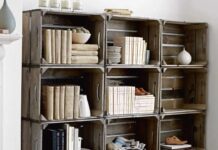
- Maintain order. Clutter is the enemy. Keep surfaces clear. If a shelf looks crowded, it is probably holding too much.
Why White Light Beats Warm Light in Modern Spaces
You might prefer the “cozy” glow of incandescent bulbs. But in a minimalist home, that warmth feels heavy. It muddies the lines. White light reflects off white walls and light floors, creating a sense of volume. It makes small rooms feel larger.
Check your color temperature. Look for 4000K to 5000K bulbs. That is the sweet spot for daylight white. Below 3000K is too yellow. Above 5000K gets too blue and sterile.
DIY Tips for a Clean Look
You don’t need a designer to achieve this.
- Paint trim white. Even if your walls are gray, white trim keeps the room crisp. Use a semi-gloss paint for durability.
- Hide wires. If you have exposed cords, they break the minimalist line. Use cord covers or recessed outlets where possible.
- Choose hidden storage. Cabinets with no handles or push-to-open mechanisms keep facades smooth.
The goal is not perfection. It is reduction. Start with one room. Remove ten things you do not need. Change the bulb. Step back. Does it feel lighter? If yes, keep going. If it feels cold, add one plant. Just one.