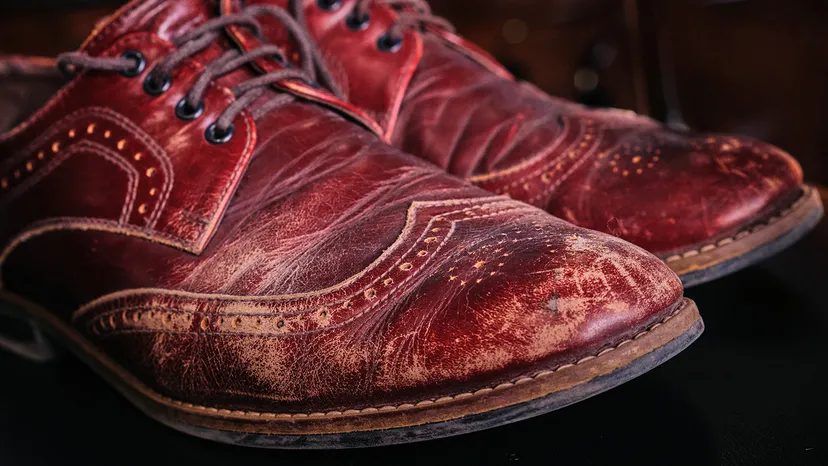
Shoes take a beating. You walk, you run, you kick. Before you know it, your leather kicks are marred by gray streaks and black rubs from curbs, walls, and other random obstacles. It happens. The good news? You don’t need a cobbler to fix it. Common household items often work better than expensive specialty cleaners.
But stop. Don’t just rub toothpaste on your whole shoe yet. Test any method on a small, hidden area first. A quick wipe on the inside tongue or heel counter will tell you if your specific leather finish will survive the scrubbing. If the color stays put, you’re good to go.
The Baking Soda Paste Method
Baking soda is mild but abrasive enough to lift surface grime without scratching the leather. It’s free. You likely have it in your pantry.
Mix one part baking soda with two parts water. Stir until it forms a thick paste. Dip a soft-bristled brush or a toothbrush into the mix. Gently scrub the scuff mark in circular motions. The paste acts as a gentle polish.
Wipe away the residue with a damp cloth. Check the result. If the scuff remains, repeat the process. Patience beats aggression every time. Harsh scrubbing can damage the leather’s finish.
The Toothpaste Hack
White toothpaste works similarly to baking soda. It contains mild abrasives. Use plain white toothpaste. Gel formulas or colored pastes might contain dyes that stain.
Apply a small amount to a microfiber cloth. Rub it into the scuff mark. Let it sit for a minute if the mark is stubborn. Wipe clean with a damp cloth. Buff the area dry. The leather should look refreshed.
The Eraser Technique
For light scuffs on smooth leather, a standard pencil eraser can work wonders. It lifts the surface dirt without moisture. This is useful if your leather is sensitive to water.
Rub the eraser firmly over the scuff. Dust will accumulate. Brush it off with a dry cloth. Repeat until the mark disappears. This method is quick. It’s also mess-free.
When to Seek Professional Help
If the scuff is deep. If the leather is cracked. If the material is suede or nubuck. Stop. Household hacks might make these materials worse. Suede requires specific brushes and cleaners. Nubuck has a nap that gets matted by water or paste.
For delicate or expensive leather shoes, consider a professional shoe cleaning service. They have the right tools and solutions. It costs more. But it saves your shoes from irreversible damage.
Which method will you try first? The paste. The toothpaste. Or the eraser? Each has its place. The key is starting small. Test. Scrub gently. Wipe clean. Repeat if needed.
Your shoes don’t have to look wrecked. A little effort restores their shine. Just remember to condition the leather after cleaning. Dry leather cracks. Conditioned leather lasts.
Next up? We’ll tackle the trickier materials. Suede and canvas have their own quirks. But for now, focus on the leather. The results are often immediate. And satisfying.
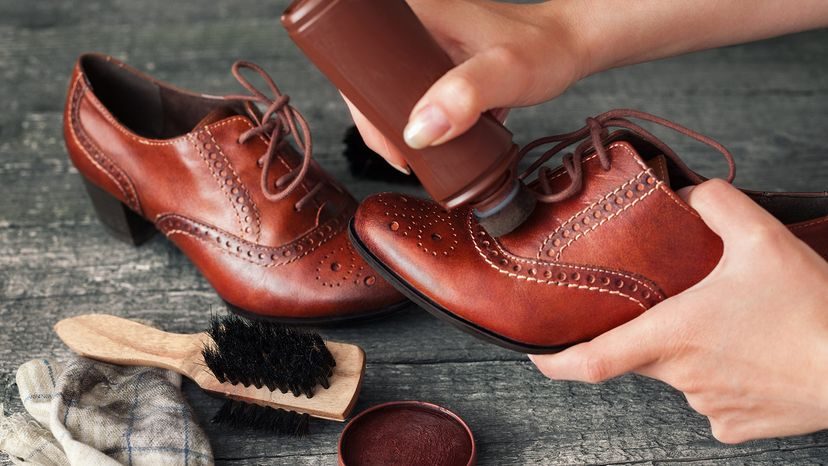
You might think leather is invincible. It isn’t. Even the finest hide takes a beating from curbs, stairs, and random debris. Before you reach for the polish, you have to strip away the grime. If you trap dirt under a layer of wax, you just create a permanent scratch. Clean first. Then, fix the damage.
Handling Light Scuffs on Leather
Most scuffs are superficial. They sit on the surface, mocking your shoe. For these, you don’t need chemicals. You need friction.
Grab a stiff-bristled shoe brush or a clean microfiber cloth. Rub the affected area with steady, circular pressure. Elbow grease works because it lifts the oxidized layer of the finish, revealing the intact leather beneath. It often takes less time than you think.
If the buffing leaves a ghost of a mark, don’t panic. You aren’t alone.
Fixing Heavy Scuffs on Leather
Deep scratches penetrate the finish. Simple rubbing won’t touch them. You need to replenish what the scuff removed.
Start by wiping the shoe down with a damp cloth to remove any lingering dust. Let them air dry completely. Wet polish slides off. It does nothing.
Once dry, apply a small amount of shoe polish matching the color. Work it in with a brush or soft cloth. One coat rarely fixes a serious scuff. You might need two or three layers to blend the repair into the rest of the shoe. Buff between coats if the instructions say so. Patience pays off here.
Why Regular Polishing Matters
Prevention is cheaper than repair. Polishing isn’t just for looks. It’s maintenance.
Leather dries out. It loses its natural oils. Dry leather cracks. Cracked leather scuffs instantly. Regular conditioning keeps the fibers flexible and hydrated. A well-maintained pair of shoes ages gracefully instead of falling apart.
Cleaning Scuff Marks from Classic Crocs
Crocs are weird. They’re made from a closed-cell resin called Croslite. It’s non-porous. It resists water and stains. But it still gets scratched.
For the classic molded foam style (not the canvas or wool blends), the fix is simple. Use mild soap and cold water. Spot clean the scuff. Or, if they’re really beat up, hand wash the whole pair.
Never throw Crocs in the dryer. Heat warps the material. Air dry them on a rack or towel.
Cleaning Specialty Crocs
Not all Crocs are the same. Material matters.
- Wool Crocs: Use a soft wire or plastic brush to gently lift dirt from the fibers. Finish with a waterproofing spray to restore protection.
- Fleece or Canvas Crocs: Stick to mild soap and a damp rag. Avoid harsh scrubbing that could fray the fabric.
In every case, air dry. Always air dry.
Removing Scuff Marks from Sneakers and Suede
Sneakers are a different beast entirely. Rubber soles, suede uppers, mesh panels. Each material reacts differently to cleaning agents.
Suede is particularly tricky. Water can leave ring stains. You need a suede eraser or a soft brush to lift scuffs without matting the nap.
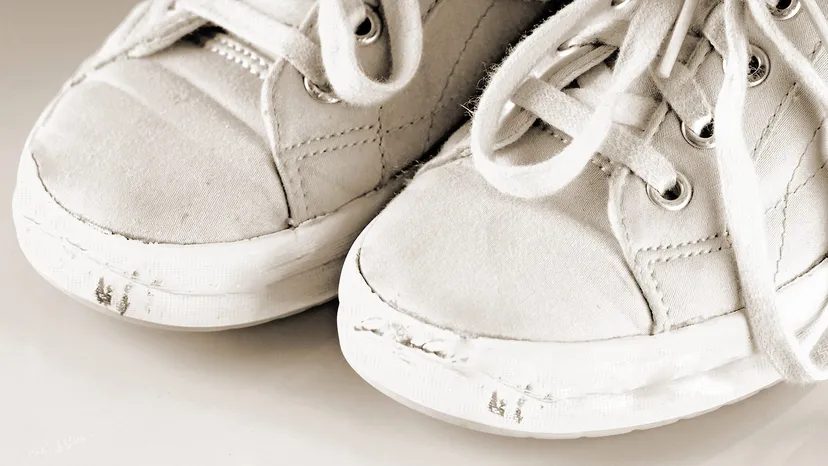
Rubber and suede sneakers? Don’t panic. A Mr. Clean Magic Eraser is often the hero. It’s gentle when dampened. It’s shockingly effective. Wet the sponge. Squeeze out the excess water. Gently scrub the scuff. Use a damp cloth to wipe away any leftover product.
If you prefer a DIY approach, mix white vinegar and baking soda into a paste. It cleans suede well. You might have to remove the vinegar smell after cleaning, though.
Removing Scuff Marks from Patent Leather
No need to chuck those Mary Janes. Patent leather scuffs don’t mean the end of the line. Apply nail polish remover to a cotton ball or paper towel. Wipe away the scuffs. Do not apply the remover directly to the shoes. You’ll be back in Catholic schoolgirl shape in no time.
Cleaning Vinyl Shoes and Floor Safety
Look no further than the cleaning closet for vinyl shoes. Window cleaning spray brings back the shine. It eliminates scuffs. 409 is another solid option. Spritz the spray on a paper towel or the shoe. Rub in a circular motion.
Shoes scuff up. They also scuff up floors. Tile and hardwood take the brunt. Tennis or basketball courts get seriously messed up. That’s why many sports require non-marking soles.
Frequently Asked Questions
Can scuff marks be prevented on shoes?
Yes. Applying a protective spray or polish to leather shoes creates a barrier. Shoe inserts or pads reduce friction. This minimizes the risk of scuffing.
How do I remove scuff marks from delicate shoe materials?
Use a soft brush or suede brush to gently buff away scuffs on suede. For patent leather, try a small amount of mild soap or specialized cleaner on a soft cloth. Gently wipe away marks. Avoid harsh scrubbing. It prevents damage to the delicate material.