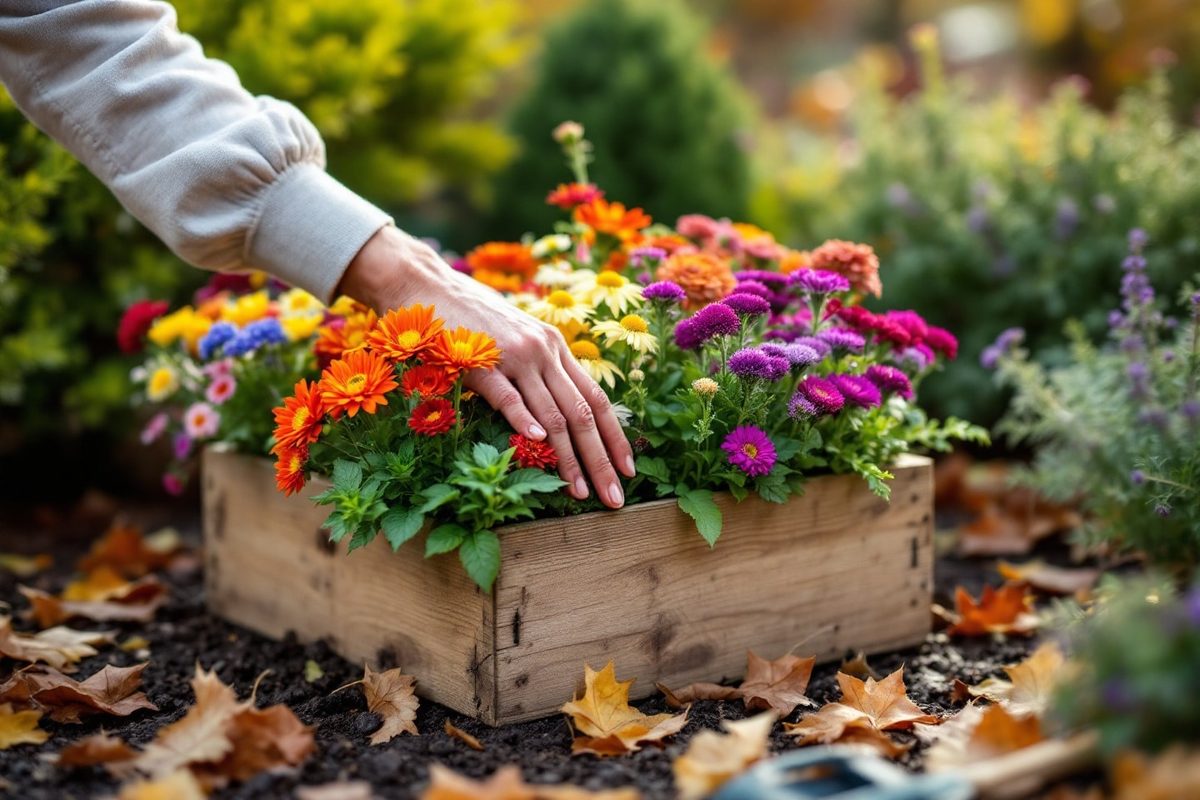
Every September, the same scene takes place on balconies and windowsills. Summer covers are stunted. What remains is grey, damp and depressing. Do you have to put up with boring terracotta pots until March? Not really.
Experienced urban gardeners know the secret. They ignore the autumn twilight. They use sturdy, fearless flowers that turn the cold months into a vibrant display. The result is a balcony that does not fade.
Why fall planters need a makeover
Look out in early September. Most flower boxes appear to be dormant. The color palette is finished. But autumn doesn’t have to be monochromatic. If you deviate from the normal routine, the color options are surprisingly plentiful.
The season offers deep, warm hues from bright raspberry red cyclamen to subtle gold pansies. See also heather. Its shades compete with summer blooms. When you mix these flowers with evergreen leaves, you get an amazing variety. You can go from pure white to intense purple in seconds.
This is not just for show. Fall blooming plants in planters solve real problems. Many varieties are naturally cold-resistant. They also thrive when the daylight fades. A few selected pots greet the new season. They bring color to urban and rural areas.
Cyclamen: The sparkling stars of autumn balconies
The cyclamen move in as soon as the petunia dies. They explode on windowsills like miniature fireworks. These flowers used to be purely houseplants. Hardy varieties can easily cope with cool mornings now.
Butterfly shapes that create space on the windowsill
Cyclamen are hard to miss. The delicate petals look like tiny butterflies or slender wings. They rise above the marbled, deep green leaves. The colors vary from electric pink to pure white. Some varieties are deep, dark mauve. They lift the mood on gray autumn days.
Your secret weapon? Cold tolerance. These plants can withstand temperatures of up to 5 °C without sweating. Newer varieties bloom until Christmas. In mild winters, they can last until January.
Tips for long-lasting cyclamen flowers
To achieve a continuous explosion of flowers from start to finish, you need to do more than just plant them. Proceed as follows:
- Avoid excessive watering. Cyclamen hate sitting in standing water. Let the soil dry out a bit between drinks.
- Keep them cool. Choose a bright spot, but avoid direct midday sun. The heat stresses the roots.
- Maintain regularly. Remove spent flowers from the base. This promotes the penetration of new shoots.
Use a rich, slightly acidic potting mix. Add nutrients by adding mature compost. This combination guarantees a lively balcony until winter.
Pansies: Autumn’s cold-resistant smile
Don’t let the name fool you. Pansies are optimistic and sunny. In autumn, they push out bold petals. Colors range from canary yellow to almost black purple. They are perfect for lazy gardeners. These flowers can withstand spring showers and light frosts.
Colorful options for mixed styles
Pansies offer an incredible versatile selection. You get small two-tone flower crowns, fringed petals and pastel shades. Some are vivid and contrasting. Mini varieties carpet with colors. Giant varieties make a bold statement. You can mix them with restrained heather textures. Or combine them with the explosive colors of cyclamen.
How to make violets bloom longer
Pansies are low-maintenance for, but there are a few simple ways to help them last longer:
- Pinch off dead flowers. This will stimulate new growth.
- Watch out for water. Excessive humidity leads to root rot.
- Apply slow-release fertilizer. Add when planting. It supports flowering well into February.
Pansies are not just poetic. They are a smart choice for vitamin-rich autumn.
Heathers bring that distinct the distinctive scent of the forest floor and handle pot life surprisingly well. They don’t need the Breton landscape to thrive. They adapt easily to urban balconies and make concrete spaces warmer.
Select colors for a monochromatic effect
Heathers provides the structural backbone for a sophisticated, comfortable planter. Their flowering period lasts from September to January. It’s a long window for colors. You can get everything from ivory white to deep raspberry red, lilac and mauve in between.
Mixing these colors creates a panoramic gradient. It’s not just about picking a flower; it’s about layering tones. The soft pink next to the deep purple keeps the eye moving. The result looks more curated than random.
Keep the heather strong
Healthy heathers need special conditions. The soil must drain well. It should be slightly acidic. They like bright light, but hate drying out.
To keep them alive and thriving:
- Place a layer of clay balls on the bottom of the pot. This prevents water from accumulating on the roots.
- Cut a little after flowering. This encourages the formation of new buds for the next season.
- Water moderately. Heathers tolerate cold better than drowning.
Heather is subtle but anchors compositions that require both resilience and elegance.
Avoid common planting mistakes
Even hardy fall flowers have their limits. A few wrong moves turn a promising planter into a faded mess. Here are some pitfalls to avoid.
Smart watering despite the rain
Rain doesn’t mean you stop watering. Some plants suffer from both too much and too little water. The test is simple. Stick your finger into the ground. If it feels moist a few centimeters down, don’t water.
Give two heavy waterings twice a week instead of daily light sprays. Shallow watering does nothing for the health of the roots.
Choosing the right soil mixture
No plant likes soil that turns to clay when it rains. Use a mixture enriched with decomposed compost. This supports microbial life and improves aeration.
Look for a well-drained substrate. The mixture of sand and coconut fiber ensures that the roots stay strong throughout the season. Avoid heavy chemical fertilizers in autumn. Balance is key.
Design with mixes
Cyclamen, pansies and heather glow by themselves. But they sing mixed. The combination of different colors and textures creates a spectacle. Your neighbors will envy the result.
Mix textures and colors
Think of your planter as an artist’s palette:
- Background: The heather provides structure and height.
- Middle: Cyclamen adds a touch of chaotic color.
- Front: Pansies form a bright band at the base.
Play with height. Place the shortest plants in front. This adds depth and highlights each species. Add evergreens like ivy or periwinkle to fill in the gaps.
Essentials of Vitality
You need more than just plants. These basics ensure a healthy composition:
- ** Drainage:** Clay balls or gravel at the bottom.
- Soil: Rich, light substrate.
- Mulch: A thin layer on top to protect against early frost.
- Food: Initially, small amounts of organic fertilizer or homemade compost.
Well cared for, these flowers will brighten your day long after the leaves have fallen. Autumn doesn’t have to feel like an end point. It’s season of icons. Cyclamen, pansies, heather – they offer a feast of nuances. Gray skies don’t matter when your balcony is so colorful. Mix the colors. Check the soil. Keep watering. The result is a colorful parenthesis in the gray season. And maybe fall will be your favorite outdoors this year.


