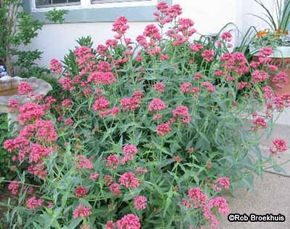
Red valerian, or Jupiter’s beard, is a rugged perennial that has been part of the English landscape since the 1500s. Gardeners of that era called it a “cheerful and blowzy plant,” which is a fair description. It doesn’t ask for much attention to produce a showy display. If you are looking at plant tags, you might see it listed as Valeriana coccinea. The correct scientific name is Centranthus ruber.
Visual Characteristics and Blooms
The plant features dense clusters of scarlet to red flowers. Each bloom is about half an inch wide. The stems reach two to three feet tall. You will see the first blooms in spring. If you deadhead the old stems regularly, the flowers continue for a long period. The plant is also fragrant.
Soil and Light Requirements
Jupiter’s beard is not fussy. It prefers full sun but tolerates slight shade. The soil must be well-drained. Alkaline soil promotes the best growth. Avoid soil that is overly rich. Too much nutrients can harm the plant’s performance.
Pruning and Maintenance
Cutting back flowering stems encourages new blooms. If hot summer weather stops the flowering, shear the plants back by one-half to one-third. This promotes another round of bloom in late summer.
The plant self-sows readily. Seedlings will appear all over the garden. If this is not desirable, hoe or pull out unwanted plants. Remove old flowers before they form seeds to prevent unwanted spreading.
Propagation Methods
You can propagate Jupiter’s beard by division or seed. Division is straightforward. Seed propagation allows the plant to naturalize itself.
Garden Uses and Varieties
This plant is best when massed. It naturalizes well along old walls and rock outcrops. It makes a long-lasting cut flower. The flowers also supply nectar for butterflies.
There are related varieties available. Centranthus ruber var. alba has white flowers. Centranthus ruber var. coccineus has deep red flowers. Centranthus ruber var. roseus bears rose-colored flowers.
Gardening Tips
Focus on perennial flowers for a garden that returns year after year. Annuals provide summer colors. Use these tips for your garden projects.