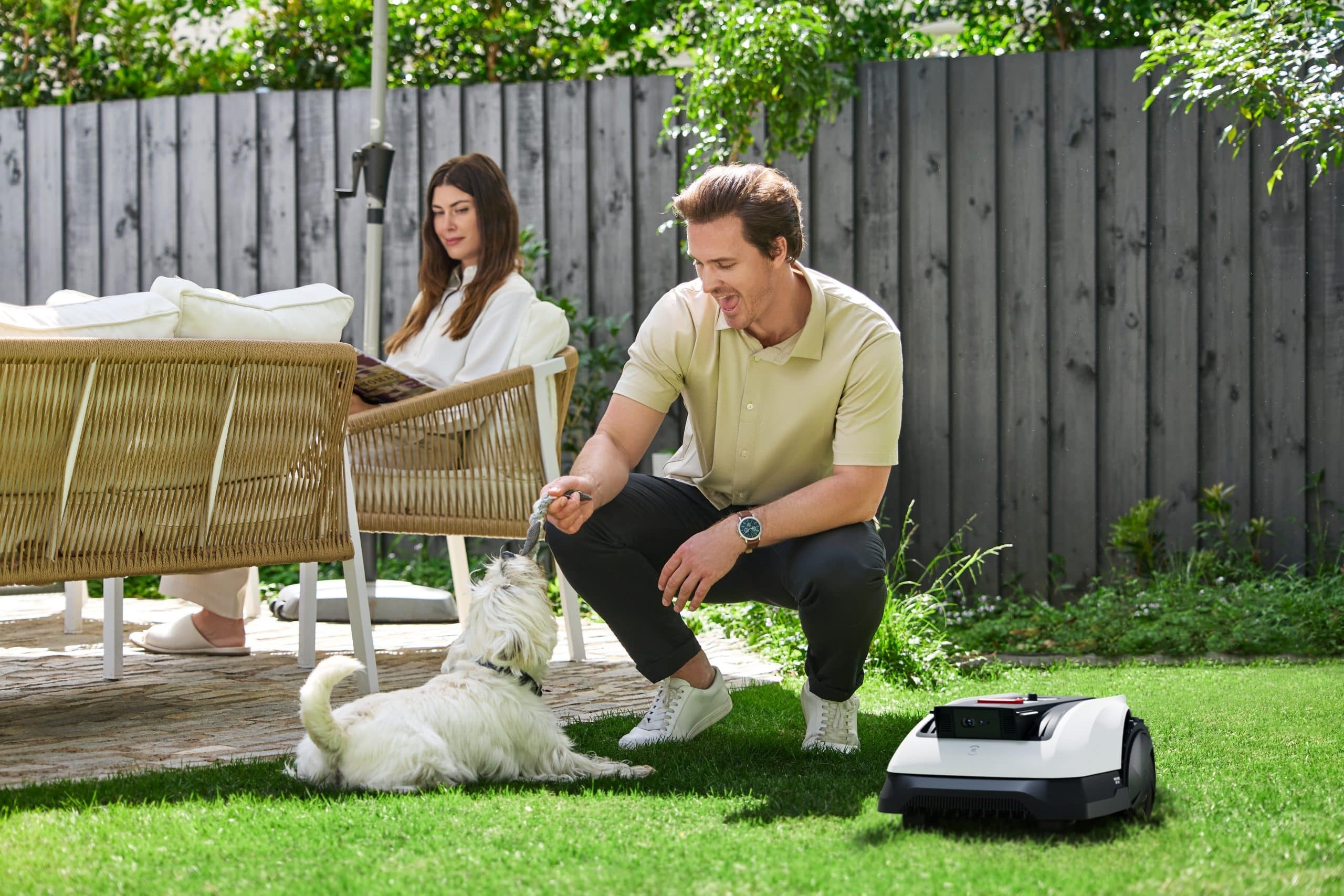
The wire is gone.
For years, the “smart” lawn mower has been a letdown. You get the tech. You lose the weekends. The perimeter wire installation is a nightmare. Digging trenches. Hiding cables under mulch. And if you move a flower bed? Cut the wire. Re-lay the wire. Pray it stays in place.
ECOVACS knows this pain. That is why the new GOAT O800 RTK ditched the physical boundary wire entirely.
It uses high-precision RTK GPS. Advanced mapping. And onboard AI. The goal? A truly autonomous lawn care system that adapts to your garden, not the other way around.
Is this the end of manual lawn mowing? We put the machine through its paces. Here is what happens when you remove the physical constraints of the garden.
Why RTK GPS Changes Everything
Standard GPS is good. RTK (Real-Time Kinematic) GPS is precise.
Most budget mowers use basic GPS or just bump around until they find a wire. The O800 connects to satellite networks to determine its location within centimeters.
This is not guesswork. It is mathematical certainty.
The robot creates a digital map of your yard during setup. No wires. No pegs. Just a boundary defined in an app on your phone. You draw the lines. The robot remembers them.
If you change the shape of your garden next spring? Draw new lines in the app. The robot updates overnight. It works.
The Setup: How to Install a Wire-Free Mower
You do not need a shovel. You do not need a trencher.
You do need a stable Wi-Fi connection. The robot stays connected to your home network for data uploads and remote control. It needs to know where “home” is.
- Download the ECOVACS Home app.
- Place the robot outside. Ensure it has a clear view of the sky. Trees block signals. Walls block signals.
- Create your map. The robot drives around the perimeter of your lawn. It listens to the GPS. It builds a digital model.
- Set the boundary. Draw the edge in the app. Be precise. If you include a flower bed in the mowing zone, the robot will cut it.
The process takes about 20 minutes.
No digging. No frustration. No broken cables.
Intelligence Over Mechanics
A standard mower cuts. It does not think.
The GOAT O800 uses AI to optimize cuts. It does not just follow a random pattern. It plans efficient routes.
It avoids obstacles. It detects slopes. It knows when the grass is too wet to cut safely.
If it gets stuck? The AI analyzes the situation. It tries to free itself. If that fails, it sends you a notification with a photo. You can guide it remotely.
This is not magic. It is sensor fusion. LiDAR. Cameras. Ultrasonic sensors. They all feed data into the onboard computer. The computer decides.
Is It Worth the Upgrade?
Yes.
If you hate wires, this is the answer. If you have a complex garden
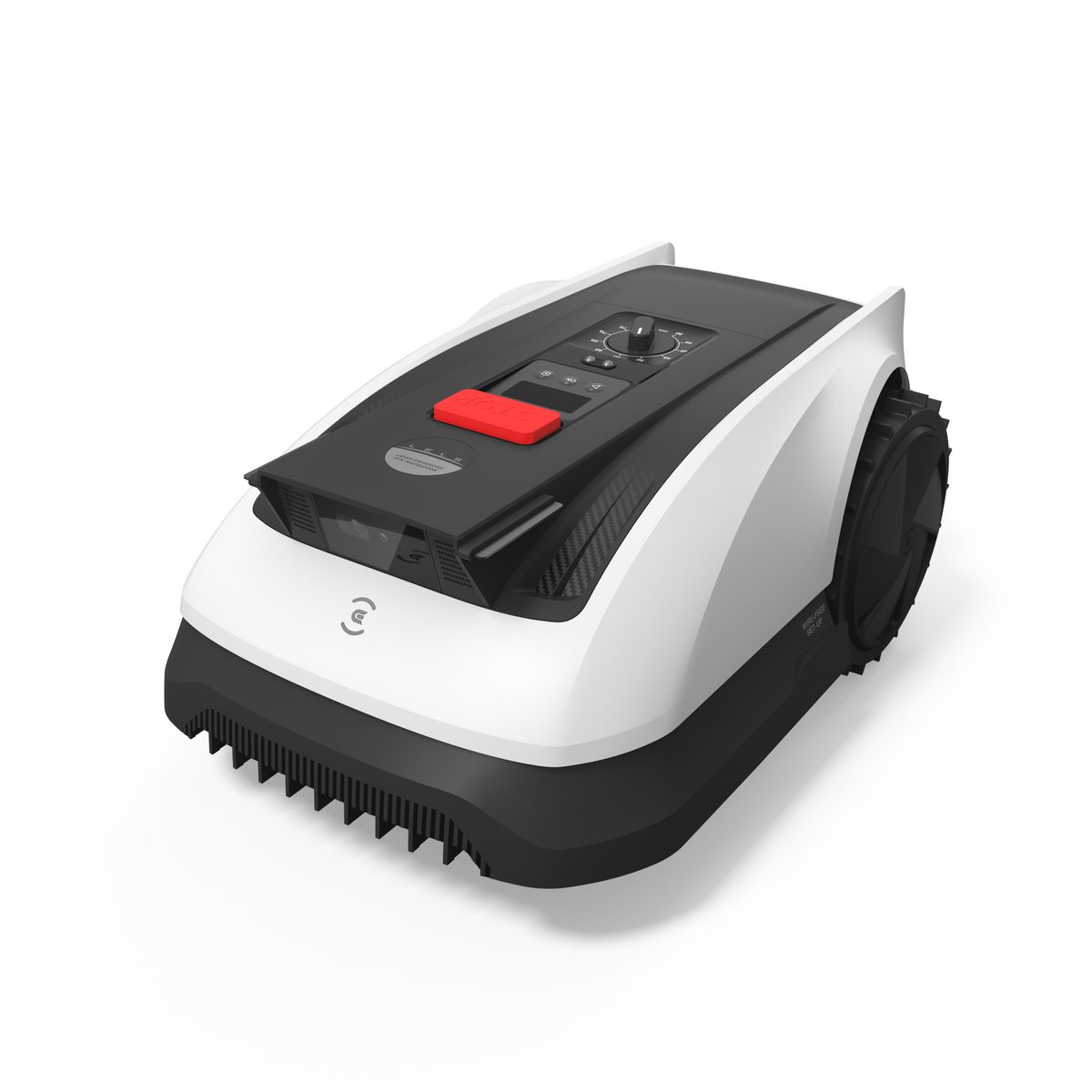

Cutting the Cord with RTK: How the GOAT O800 Finds Its Way
Most robotic mowers still rely on a buried perimeter wire. It’s a headache to install and nearly impossible to move if you change your garden layout. The GOAT O800 RTK skips the trenching entirely. Instead, it uses a wireless navigation system powered by RTK (Real-Time Kinematic) technology. This setup pairs a stationary base station with satellite networks to lock onto your lawn’s boundaries with centimeter-level precision.
The practical upside is immediate. You don’t need to hunt for cables or dig up sod. You just place the RTK base station in an open area away from tall trees or structures that might block the signal. From there, the mowing limits are defined digitally. You can adjust the mowing perimeter directly through the mobile app. No more re-burying wire just to add a flower bed or shrink the lawn. The robot optimizes its path, cutting out unnecessary back-and-forth movements to save battery and time.
But precision isn’t just about staying within lines. It’s about handling the chaos of a real garden. The GOAT O800 RTK uses embedded AI to adapt in real time. If a chair, a toy, or a potted plant appears in its path, the robot recalculates its route on the fly. It doesn’t just stop and beep; it navigates around the obstacle and resumes the cut.
Mapping the Terrain with AIVI 3D Sensors
RTK gets it close, but AIVI 3D sensors keep it safe and efficient. This dual-localization system means the mower doesn’t just follow a pre-set grid. It actively scans its environment.
During its first run, the GOAT O800 RTK maps every inch of your yard. It records the location of trees, walls, and furniture. This data creates a digital blueprint that the robot uses for all subsequent mowing sessions. The result is a methodical approach rather than a random collision course.
One specific feature worth noting is TruEdge technology. Traditional wire-bound mowers often leave a strip of uncut grass along fences or walls because the wire has to be laid a few inches back from the edge. The GOAT O800 RTK approaches the boundary much closer, delivering a cleaner, more professional look without leaving that obvious grassy border.
It also handles slopes with ease. With a climbing capability of 45% inclination (24 degrees), it tackles uneven terrain that would stall lesser models. If your garden has hills or irregular surfaces, this machine is built to handle the gradient without slipping or getting stuck.
Why This Matters for Your Lawn Care
You might be wondering if the extra tech is worth the price tag. For homeowners who hate maintenance, the answer is usually yes. The ability to change mowing zones via an app means your mower can adapt to seasonal changes—like a drying patch of grass or a newly planted shrub—without you lifting a finger. The RTK system also reduces the risk of the mower getting lost or stuck in thick undergrowth, as it always knows exactly where it is relative to the garden’s fixed points.
Safety is another factor. The AIVI 3D sensors detect moving objects, including pets and children. While no robot mower is entirely “child
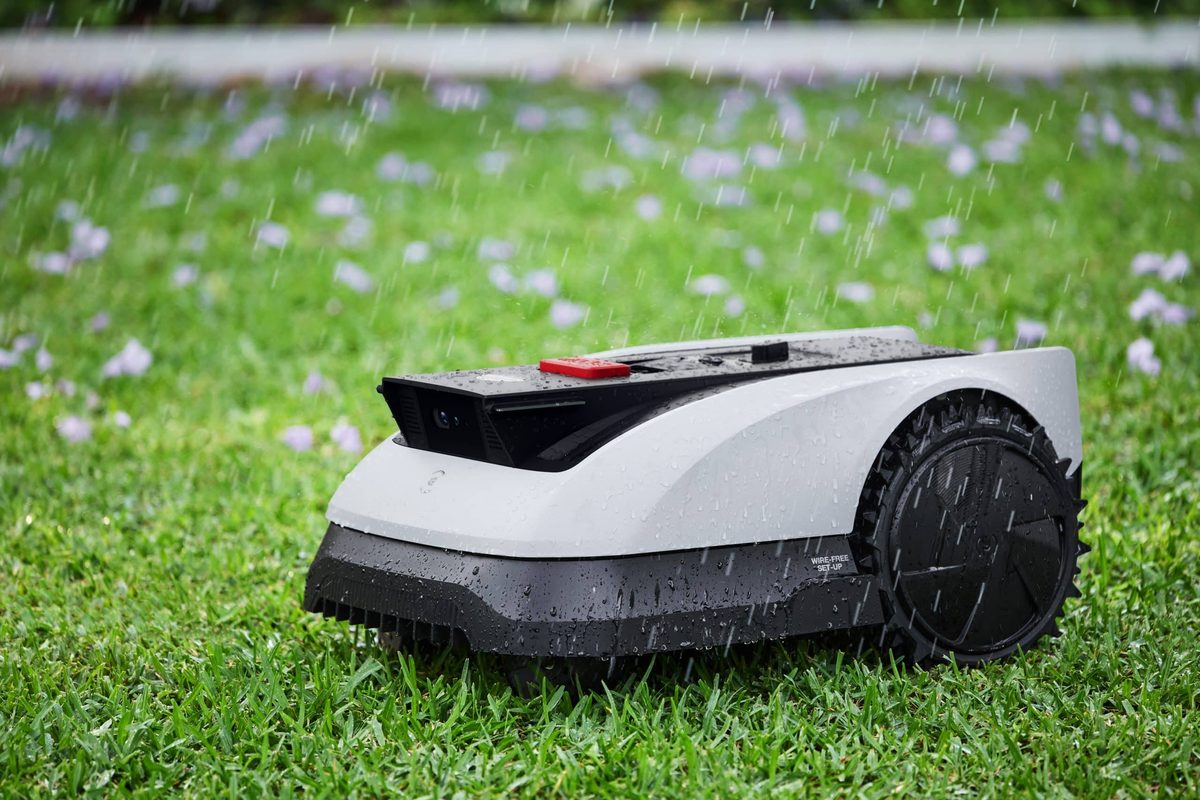

The real game-changer isn’t just that it mows—it’s how it moves.
Most basic robot mowers wander around like confused beetles. They bump into fences. They miss strips. They waste battery on overlapping passes. The GOAT O800 RTK does something different. It plans.
It creates a logical path. It covers the entire lawn without doubling back on itself unnecessarily. And when the battery dips, it doesn’t just stop. It remembers exactly where it left off.
Smart Connectivity and Remote Control
Automation means nothing if you have to babysit it. This model plugs into a modern smart home ecosystem. The mobile app gives you total command from your couch.
You aren’t stuck with a single “set it and forget it” rule. You can:
- Schedule mowing cycles for specific days or times.
- Define distinct zones with unique settings. Need the back corner cut lower? Set it separately.
- Watch the robot’s live location on an interactive map.
- Get instant alerts if it gets stuck or needs attention.
The interface is clean. It’s actually usable. Compare that to the clunky, buggy apps many competitors ship with, and the difference is stark. You can even take manual control. Treat it like a giant remote-controlled car to nudge it into tight spots or over obstacles the auto-mode hesitated on.
Moving Toward a Fully Autonomous Lawn
The goal here is minimal human intervention. You set the parameters. The robot handles the rest.
With 90 minutes of runtime per charge, it can tackle a 800-square-meter yard. It might take a few cycles. It will return to the charging station autonomously, charge up, and resume the exact spot it abandoned. No guesswork.
Its decision-making engine is where the tech shines:
- Adaptive Logic: It assesses conditions. Wet grass? It might wait.
- Obstacle Avoidance: It detects barriers in real-time. Pets approaching? It slows down.
- Stealth Mode: It runs at a whisper-quiet 57 dBA. You can schedule night mowing without waking the neighbors—or your spouse.
These features push the GOAT O800 RTK into the top tier of autonomous mowers. Supervision drops to near zero. You just walk out to a consistently cut lawn.
It’s not just a tool. It’s a system. And for homeowners tired of wrestling with wires and random patterns, that system pays off.
But even with all this intelligence, no robot is truly perfect. There’s always the edge case. The stray toy. The patch of mud. How much trust do you put in the machine when it’s alone at night?
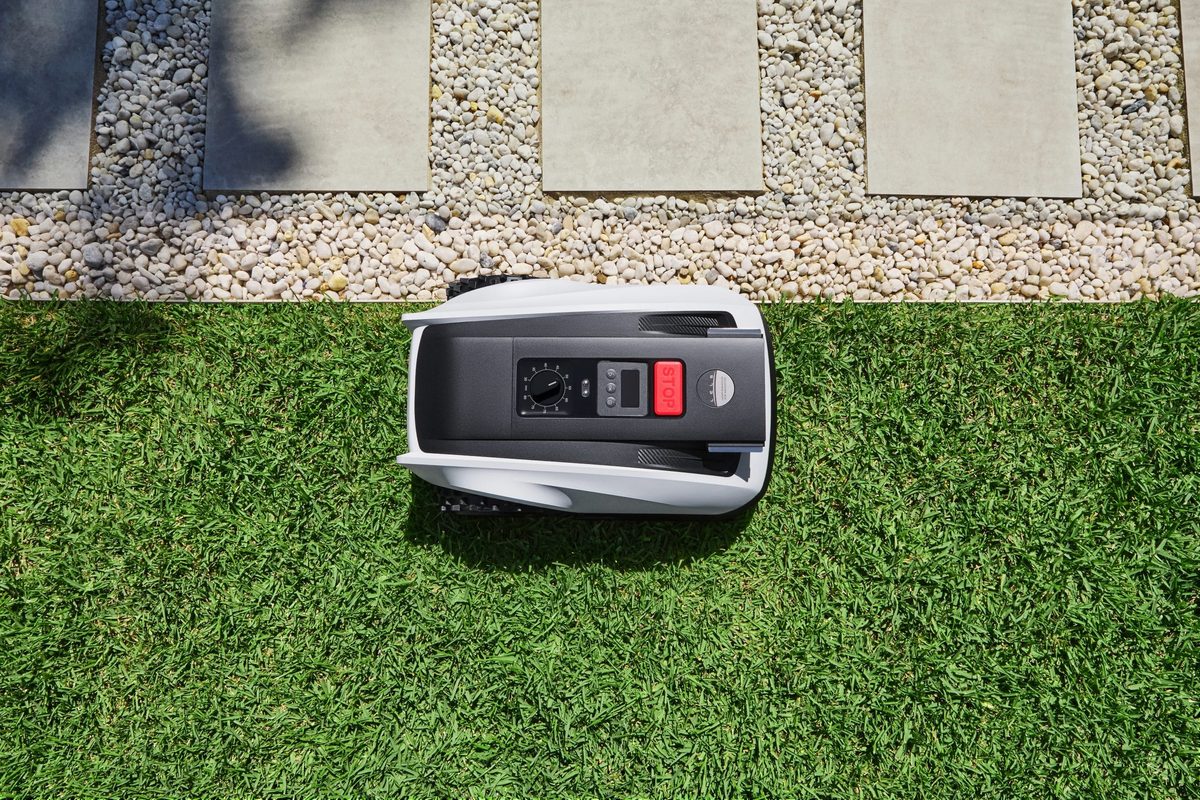
Is the EcoVacs GOAT O800 RTK the Future of Autonomous Lawn Care?
The ECOVACS GOAT O800 RTK doesn’t just nudge automation forward—it kicks the door open. This isn’t just another robot that bumps into trees until it gives up. With RTK (Real-Time Kinematic) guidance providing centimeter-level precision, this machine redefines what “set it and forget it” actually means for homeowners. You are looking at a genuinely autonomous system that handles edges intelligently via TruEdge and navigates via a robust, cloud-connected app rather than relying on buried wires or basic gyroscopes.
Why RTK Changes the Game for DIYers
Forget the frantic digging of trenches for perimeter wires. The installation here is wireless. You place a base station, pair the robot, and map your lawn. The RTK technology uses satellite data corrected by that base station to pinpoint the robot’s location instantly.
This matters because it eliminates the guesswork. Traditional robots wander. The GOAT O800 plans. Its real-time mapping creates an efficient grid pattern. It knows exactly where it has cut and where it hasn’t. For the DIY homeowner, this means less supervision and more confidence that the machine won’t eat your prize petunias.
Key advantages include:
* Wire-free installation: No trenching, no buried cables, no physical barriers to hide.
* Smart edge management: TruEdge allows the robot to mow right up to fences and flowerbeds by spinning its blades and angling the deck.
* Reliable docking: It returns to the base with high accuracy, even in complex layouts.
* Intuitive app control: Schedule, map, and monitor from your phone without constant troubleshooting.
Where It Stumbles (And How to Mitigate It)
Nothing is perfect. The GOAT O800 is cautious. Sometimes too cautious. If you have dense shrubbery or uneven terrain, the robot may hesitate, slowing down your mowing schedule. It prioritizes safety over speed, which can be frustrating if you’re watching it play it safe around a single rock.
Then there’s the signal. RTK relies on clear satellite visibility. If your garden is deeply shaded by tall canopy trees, the signal can drop. The base station needs a clear view of the sky. Place it incorrectly, and you’re dealing with navigation errors or the robot getting lost.
And yes, the price is high. You are paying for the LiDAR, the RTK module, and the advanced software. But for those who value time over upfront cost, the features justify the spend.
Should You Make the Switch?
Ask yourself: are you tired of managing wires? Do you want a lawn that looks professionally manicured without lifting a finger?
If the answer is yes, the GOAT O800 RTK stands out as a top-tier choice. It’s not flawless. The caution around obstacles can drag out the process. The price tag will make you wince initially. But it represents a massive leap in garden automation. It learns your yard. It adapts to changes. It handles edges without you having to trim them by hand.
For the modern homeowner willing to invest in true autonomy, this is the


