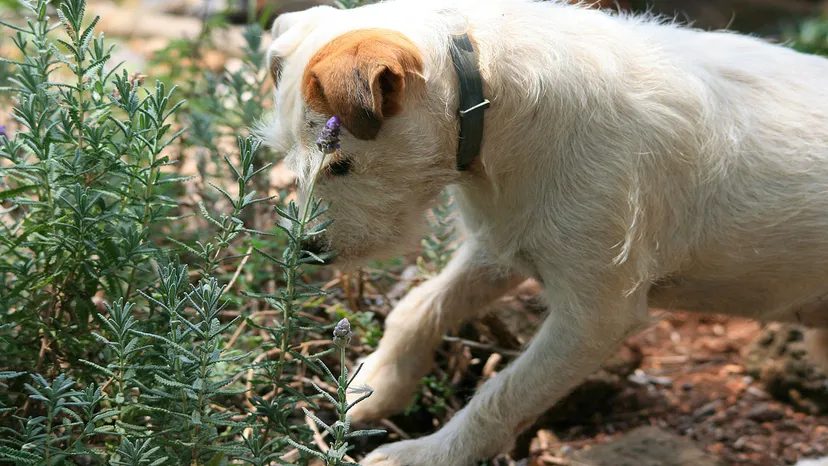
Let’s be honest. Dogs are wonderful companions. They are also terrible for your peace of mind when they decide your prize-winning petunias are a toilet or your new sofa is a scratching post. You don’t need to buy expensive, chemical-laden sprays from the hardware store. You can make homemade dog repellents using stuff you already have in your pantry.
These solutions are cheap. They are easy. And they are 100 percent safe for your pets and the environment when used correctly.
Citrus: The Smell Dogs Hate Most
Dogs find the smell of citrus absolutely horrendous. It’s an olfactory nightmare for them. You can use this to your advantage in two distinct ways depending on where the trouble is starting.
For your garden, simply place slices of oranges or lemons throughout your flowerbeds. The strong scent creates an invisible barrier that most dogs will avoid.
If your dog is targeting your upholstery instead, try this. Fill a glass with water and add lemon slices. Set the glass on a nearby table. The scent will linger. For a stronger effect, mix water and lemon juice in a spray bottle and mist the furniture directly.
Cayenne Pepper and Black Pepper
Cayenne peppers won’t kill your dog, but they will irritate his eyes, nose, and throat. It’s a harsh enough deterrent that he will want to stay away.
Grind a mixture of black pepper and cayenne pepper. Sprinkle it generously throughout your garden beds. The scent is pungent enough to keep paws out of the dirt.
For indoor problems, sprinkle cayenne pepper into your potpourri. Or, leave a bowl of ornamental chilies next to the sofa. The visual cue of bright peppers might also give him pause before he starts digging into your cushions.
Vinegar: A Garden Hazard
Dogs strongly dislike the odor of vinegar. But there is a catch. Vinegar can be potentially dangerous for plants. Do not spray it directly in your garden. You might kill your flowers while trying to save them.
Instead, douse biodegradable coffee filters in white vinegar. Allow them to dry in the sun completely. Once they are crisp and dry, cut the filters into thin strips about the length of a toothpick. Scatter these strips throughout your garden. The scent lingers just long enough to repel dogs without damaging your blooms.
Mustard Oil
Mustard oil has a smell and a taste that dogs hate. It’s potent. Spray it around the specific area you want your dog to avoid. It works quickly. Watch it do its magic. Just be mindful of where you spray, as the oil can stain fabrics and surfaces.
Coffee Grounds
Coffee is another smell that dogs aren’t fond of. Coffee grounds are great for your garden soil too. They add nutrients while acting as a deterrent. Just scatter them on top of the soil. Your dog will stay away. Your plants will thrive. It’s a win-win.
The “Poop” Trick
This might sound gross, but it works. Try placing some of your dog’s poop in holes that he has dug. He won’t dig in them again. He doesn’t want to encounter his own waste.
Strategically place some in holes all around his favorite digging spots. Watch him lose interest. It’s a psychological play. He assumes the hole is already “taken.”
What to Avoid: Ammonia
Important note : Do not use ammonia as a dog repellent. While ammonia will keep dogs away from almost anything because the smell irritates their noses, it can cause damage to their throats and stomachs if consumed. Always check with your vet before using any chemical or substance around your pets.
Some people suggest ammonia because it smells strong. Don’t risk it. The irritation isn’t worth the potential toxicity.
Beyond Scent: Physical Deterrents
According to rover.com, a great way to stop Fido from trying to dig to China is to bury flat rocks just below the surface at noted digging spots. The ground becomes hard to penetrate. It’s not fun for him. He will find a new spot.
If you have a sprinkler system, set up a motion detector. It will spray your pooch and run him off at the first sign of a dig. It’s immediate. It’s surprising. It’s effective.
Maintenance Matters
You should reapply homemade dog repellents regularly. This is especially true after rain or watering. The scents wash away or dilute. Maintain their effectiveness in deterring dogs by keeping the application fresh.
These natural repellents are generally safe, but it’s important to consider the specific sensitivities of other pets in the household. Consult with a veterinarian if unsure.
Maybe he’ll finally find a new hobby. Maybe he’ll just sit on the couch and judge you. Either way, your garden will survive.


