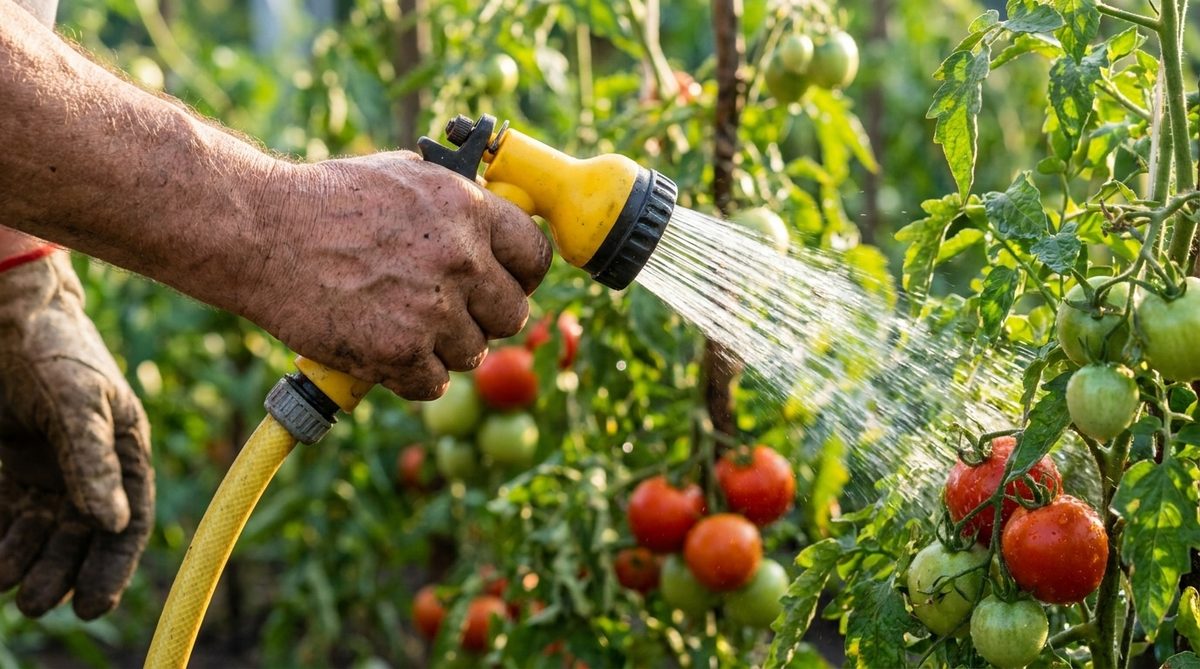
For generations, the rule was simple. When the sun went down, you watered. It felt logical. The soil was cool. The plants were thirsty from the day’s heat. It felt like a reward for surviving the afternoon sun.
But that tradition is wrong.
We are in mid-June. The summer heat is setting in. Professional growers have long abandoned the evening watering habit. Why? Because while it feels right, it actively harms your crops. It invites pests. It breeds disease. It wastes water.
The shift isn’t complicated. You just need to change the clock. Specifically, you need to water between 5 a.m. and 7 a.m. This isn’t just a preference. It is a biological necessity for healthy vegetables.
Why Evening Watering Is a Mistake for Gardeners
When you douse tomato, lettuce, or zucchini plants after sunset, you create a trap.
During the night, evaporation stops. The water has nowhere to go. It sits on the leaves. It pools on the soil surface. This creates a stagnant, humid microclimate.
This environment is a beacon for pests. Slugs and snails love it. They thrive in damp, dark conditions. They emerge at night to feast on tender new growth. If your garden is wet in the evening, you are essentially setting a dinner table for them.
The health risks are worse. Fungal diseases love moisture. Mildew and powdery mildew thrive in these conditions. You see the results in garden centers every spring. Everyone buys fungicides. Everyone buys slug bait.
Do you need chemicals? No. You just need to change when you use the hose.
The 5 AM to 7 AM Rule for Deep Hydration
Professional market gardeners start early. They water in the first light of day. This specific window—5 a.m. to 7 a.m. —is optimal for several reasons.
First, the soil temperature is stable. The night has cooled the ground. Pouring water now avoids a thermal shock to the root system. Cold water hitting hot soil can stress plants. Early morning water is safe.
Second, absorption is better. The water penetrates deeply into the root zone. It doesn’t evaporate instantly like it would at noon. You get more value from every drop. This is crucial if you are trying to save on your water bill or conserve resources during a drought.
Third, the leaves dry fast. If water gets on the foliage, the rising sun evaporates it quickly. Fungi need prolonged moisture to germinate. By drying the leaves before the heat peaks, you cut off the disease cycle.
A Natural Shield for Your Harvest
Switching to a morning routine does more than just hydrate. It protects.
Here is what happens when you water early:
- Deep Root Growth: Roots dive deep into moist soil. They become stronger. They become more drought-resistant.
- Fungal Prevention: Dry leaves mean no mildew. No powdery mildew means no chemical sprays.
- Pest Control: The soil surface dries out as the day warms up. Slugs hate dry ground. They retreat or die. Your plants are left alone.
Combine this timing with rainwater harvesting. Collect the water. Store it. Use it at 6 a.m. You reduce costs. You help the planet. You get better vegetables.
Practical Steps for the DIY Gardener
You don’t need expensive equipment. You just need discipline.
- Check the soil. Before watering, stick your finger in the ground. If it’s damp, wait. If it’s dry, go.
- Water at the base. Avoid overhead sprinklers if possible. Drip irrigation or a soaker hose targets the roots directly. Less water on leaves means less disease.
- Use the right tools. A watering can with a rose attachment provides gentle flow. A hose with a spray nozzle works too, but aim low.
- Set a reminder. If you aren’t a morning person, set an alarm. Ten minutes earlier than usual. It’s worth it.
The results are visible. Plants look greener. They grow faster. The harvest is larger.
Old habits are hard to break. Waking up early is hard. But the alternative is a garden full of slugs and mildew. You can fight it with chemicals. Or you can fight it with timing.
The choice is yours. Will you be out there at dawn? Or will you wait for the sunset, knowing the pests are already waiting?


