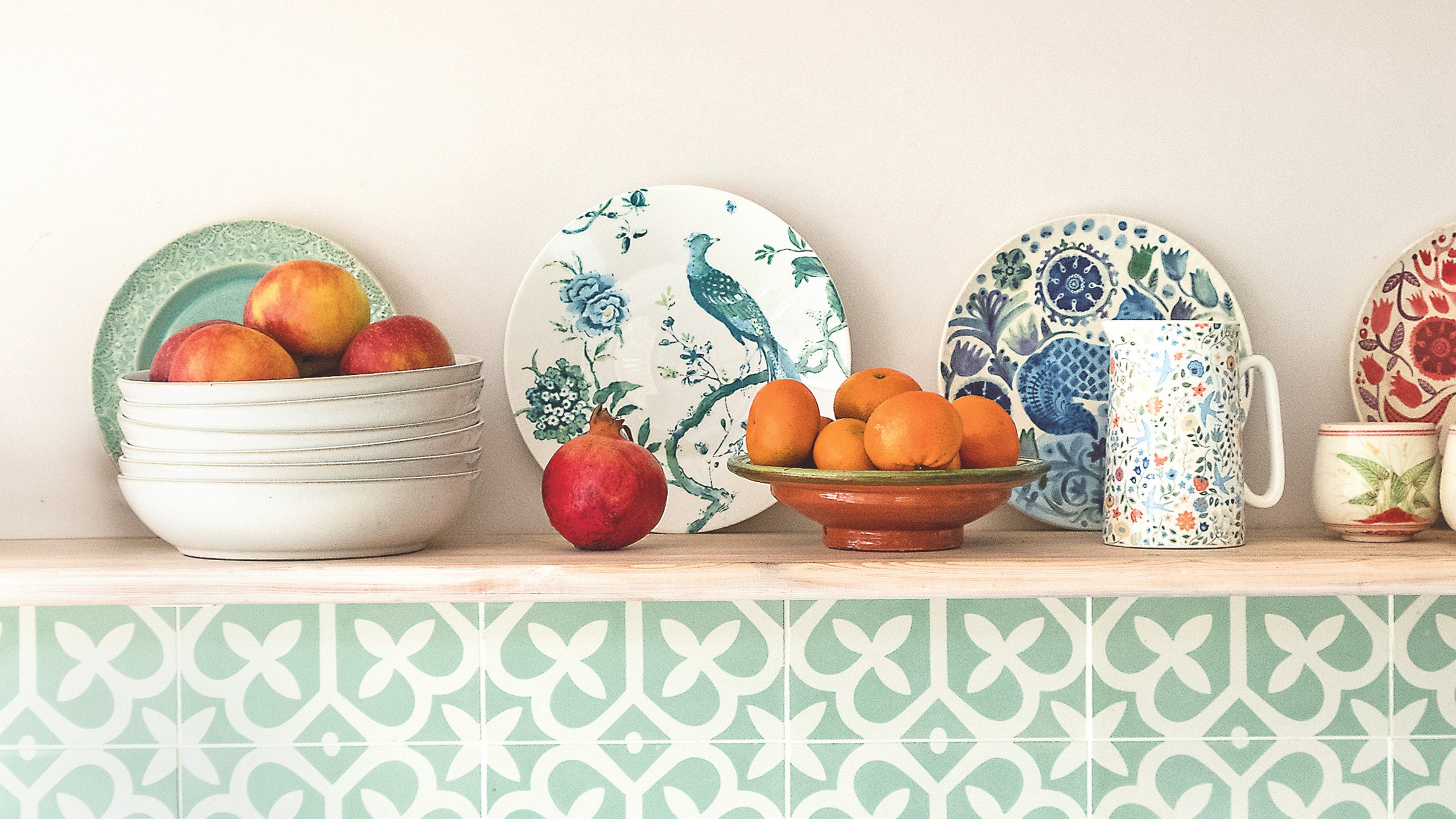
See a tiny fly hovering over your banana? Don’t call it a fruit fly. You’re wrong. It’s a vinegar fly. And it wants to make your kitchen its nursery.
I’ve been noticing them more as the summer heat sets in. They’re slow, buzzy, annoying. Most people slap the “fruit fly” label on anything small and airborne. It’s easy to do. Wrong though. Ryan Kaila from Kingfisher Direct explains the distinction. He says real fruit flies are much bigger, closer to a standard housefly, and actually dangerous to agriculture because they pierce healthy, growing skin of fruits. They destroy crops. Vinegar flies can’t do that.
“Vinegar flies… are only attracted to rotting food…”
Vinegar flies have red eyes. They hang out with the trash. Literally. They feed on fermenting liquids. Yeast. Overripe mess. They don’t care about a crisp, red apple sitting perfectly in a bowl. They wait. They smell the moment that apple turns soft. Sugar starts fermenting. Compounds release into the air. These flies can smell it from miles away. Adam Juson from Merlin Environmental calls it a problem for food businesses and home kitchens alike. They go for compost. Drains. Sticky recycling. Even unwashed glass bottles. It doesn’t take much to invite an infestation. Just a little sweetness gone wrong.
Here’s the scary part. One female lays up to 500 eggs. Some hit 2,000. They hatch in 24 hours. Do the math. You’re not looking at a pest. You’re looking at a population explosion waiting to happen.
How to stop them (without losing your mind)
Get rid of the food. It’s that simple. Remove the source, the flies leave. Summer is tough on fruit bowls. If you must keep fruit out, try savers. Lakeland’s StayFresh sheets work by delaying the ripen-rot cycle. If not, just refrigerate your fruit. It sounds dull, but it keeps the party quiet.
Check your trash. The caddy in the corner of the kitchen? Empty it more often. Apple cores. Banana skins. Peels. They ferment fast in the sun. If your caddy doesn’t seal tight, buy one that does. Or try something like the Joseph Joseph bin. It filters odors. Keeps moisture in. Flies can’t find their way to a feast they can’t smell.
Wash everything. That bowl holding yesterday’s berries? Soapy water won’t cut it. Scrub the bottom. Sticky residue hides there. Juice seeps in. Flies love it.
Clean the drains too. Enzymatic cleaners break down the organic sludge building up inside the pipes. Pour boiling water down if you’re feeling brave. It kills larvae. Helps.
A trap can lower the adult count. Apple cider vinegar in a container. One drop of washing-up liquid. Cover it with foil and poke holes. The flies smell the vinegar. They fly in. The soap breaks the surface tension. They drown. It works. It’s brutal but effective.
Adam warns us: the flying pests are just the symptom. The thousands of eggs laid in cracks, under counters, in damp sponges… that’s the real issue. Hygiene isn’t just nice. It’s your only defense.
So yeah, throw the fruit bowl in the fridge. Scrub the counter until it shines. It makes my skin crawl just thinking about the eggs. But doing nothing feels worse. I’m cleaning my kitchen every few days. Emptying the bin like clockwork. The flies might still come. But maybe they won’t stay. Maybe not.