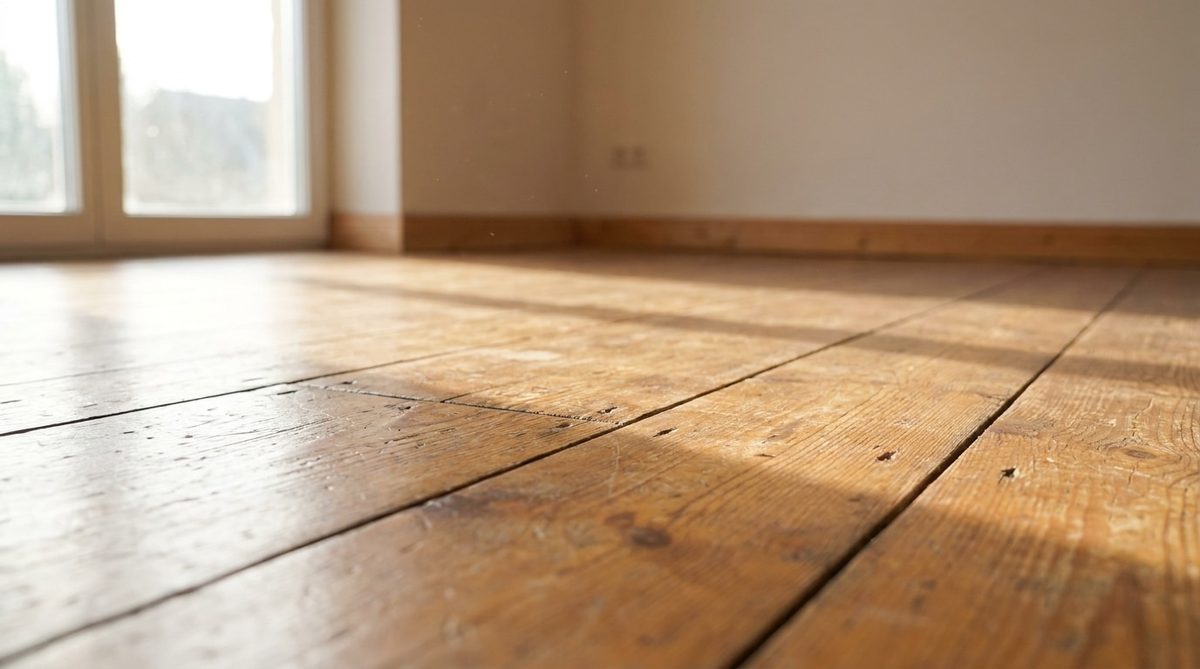
Change a floor, and you change the entire personality of a room. Summer is here. Renovation sites are popping up everywhere. You pick the wood grain. You choose the finish. You picture the perfect result.
Then it happens.
The floor squeaks. It sounds hollow underfoot. Weeks later, it starts to buckle.
The disaster didn’t happen because of bad wood. It happened because you skipped the step pros swear by. Skipping the underlayment condemns a new floor to early decay. It turns your dream renovation into a daily annoyance of creaks and gaps.
The Invisible Shield: Acoustics and Moisture Control
The secret isn’t in the laminate. It’s in what lies beneath.
Most DIYers rush past the subfloor prep. They want to see the final product. This is where they fail. A properly selected acoustic underlayment acts as a shock absorber. Without it, footsteps on concrete or old tile resonate like a drum. The wrong setup amplifies noise. The right setup silences it.
Consider the thickness. A few millimeters of the right material can divide impact noise transmission by a significant factor. Your apartment or upper-floor bedroom becomes quiet. Peaceful.
But sound is only half the battle.
Moisture is the silent killer of wooden floors. This is especially true in ground-floor renovations. Humidity rises through porous concrete slabs. Wood is hygroscopic. It breathes. It absorbs that invisible water. The result? Swelling. Lifting. Detachment.
You need a vapor barrier.
Sometimes this is built into the underlayment. Sometimes you add a separate layer of polyethylene film. The key is overlap. Seal the seams with specific waterproof tape. Create an impervious wall. This small precaution extends the lifespan of your flooring. It prevents the ugly surprises when the rainy season hits.
Leveling the Playing Field: Saving Your New Floor
Find a perfectly flat subfloor? Good luck.
Old houses have history. And history is uneven. Old adhesive residue. Sagging screeds. Deep grout lines in old tile. These create tiny voids.
If a plank rests on a two-millimeter gap, it flexes every time you walk past. The stress concentrates on the locking mechanisms. Eventually, they break. The joints crack. The surface looks ruined.
A good membrane bridges these gaps. It smooths out minor irregularities. Materials like cork, wood fiber, or polyurethane foam have remarkable absorption properties. They create a rigid, level base.
The goal is a uniform surface. Not a raised one.
A thickness of two to five millimeters is usually plenty. It unifies the floor without raising the height too much. You don’t want to have to sand down every interior door frame at the end of the project. Keep it simple. Keep it flat.
The Formula for a Permanent Fix
There is a specific combination that guarantees longevity. It’s not just about laying planks. It’s about the interface.
Acoustic underlayment and vapor barrier selection based on humidity, levelness, and floating floor type is the core rule.
Why? Because natural wood reacts differently than synthetic laminate. You must match the density of the film to the weight of the structure above. If the underlayment is too soft for a heavy oak floor, it will compress over time. The insulation benefits vanish. The floor fails.
For a classic floating installation—popular right now for its speed—use a resilient foam with capillary rise protection. It works wonders for standard click-lock systems.
For glued-down or heavy engineered wood, you need higher density. The floor needs firm support, especially for wider planks.
Here is the kit you need before you start:
- A heavy-duty vacuum cleaner to remove every speck of dust. Dust is the enemy of adhesion and leveling.
- Insulation rolls strictly matched to your flooring type.
- Waterproof, metallic tape to seal every single seam. No leaks allowed.
- A sharp utility knife with fresh blades. Dull blades tear the material. Sharp ones cut clean lines.
Once this invisible complex is laid and taped, the locking of the planks becomes effortless. The boards settle into place. No resistance. No gaps.
Taking the time to prep the base properly makes the installation faster. It guarantees superior thermal and acoustic insulation. It creates a floor that lasts.
So, which room in your house is ready to be fixed right? The summer is just starting.


