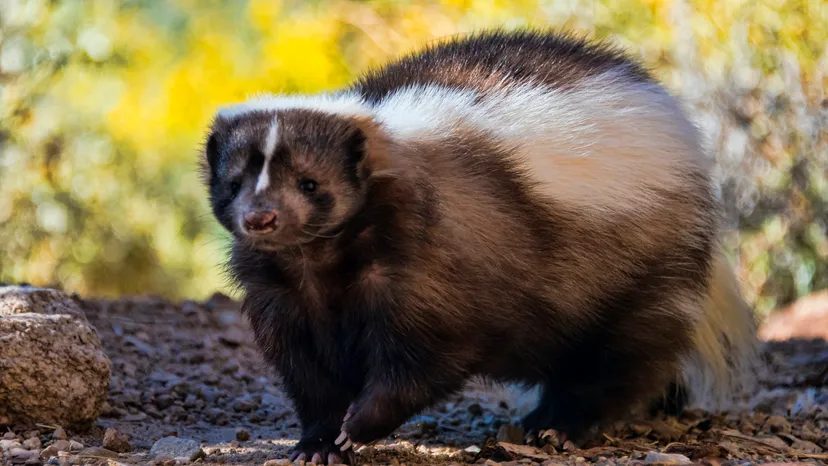
Skunks are opportunistic eaters. They tackle grubs, insects, small rodents, and even your garden veggies. But for most homeowners, the real issue isn’t the mess—it’s the spray. That signature scent is unforgettable and notoriously hard to wash out.
If you are dealing with unwanted visitors, you need a skunk repellent. You don’t necessarily need harsh chemicals to solve this. In fact, some of the most effective solutions are already in your kitchen or hardware store. Below is a breakdown of how to make a natural skunk repellent and the specific steps to keep these animals off your lawn.
Why You Need to Deter Skunks Immediately
Skunks are more than just a smell nuisance. They are a property hazard.
The spray itself is a chemical defense mechanism. It doesn’t just smell bad; it lingers. Days, sometimes weeks. The odor penetrates fabrics, siding, and air vents. Cleaning it requires more than just soap.
Beyond the smell, skunks are destructive. They root through garbage cans, scattering trash everywhere. They dig into lawns for grubs, leaving ugly tunnels and dead patches of grass. If you have pets, they are a physical risk. Skunks can carry rabies. Their bites are dangerous to dogs, cats, and humans.
They also burrow. A skunk den under a deck, shed, or porch can undermine structures. That leads to costly repairs for foundations and supports. It is better to prevent the den than to fix the damage later.
How to Repel Skunks From Your Property
Repelling is about exclusion. You must make your property unappealing. Skunks look for three things: food, shelter, and safety. Remove those, and they move on.
- Secure trash. Use bins with tight-fitting lids. If a skunk can tip the can, it will.
- Manage pet food. Feed dogs and cats indoors. Never leave outdoor bowls out overnight.
- Clear bird feeders. Skunks eat birdseed. Empty feeders at night or remove them entirely.
- Remove shelter. Stack wood, compost piles, and junk away from the house. If you can’t move a pile, cover it with a heavy tarp. Skunks won’t den in sealed areas.
Natural Ingredients Make the Best Skunk Repellent
You can create powerful deterrents using common household items. These methods are safe for pets and humans when used correctly.
Garden Protection
If skunks are eating your vegetables, spray the plants with a mixture of water and hot pepper. The capsaicin irritates their senses. It does not harm the plants.
If you prefer a physical barrier, plant cucumbers, squash, or other plants with prickly leaves among your crops. Skunks dislike navigating through thorns and rough textures.
The Boiling Deterrent
For a den, you need a strong, lingering smell. Try this recipe:
1. Chop one yellow onion.
2. Chop one jalapeño pepper.
3. Add one tablespoon of cayenne pepper.
4. Boil all ingredients in two quarts of water for 20 minutes.
5. Strain the liquid into a spray bottle.
6. Squirt the broth around the entrance of the skunk’s den.
The combination of onion and pepper creates a scent skunks find unbearable.
Ammonia Traps
Ammonia smells like urine. To a skunk, it signals the presence of another animal. Place a rag soaked in ammonia in a bowl on the ground near paths or porches.
Warning: Ammonia burns plants. Do not spill it on grass or flower beds. Keep it contained in the bowl.
Best Commercial Solutions to Repel Skunks
Sometimes you want a ready-made solution. These products have proven track records.
PredatorPee Coyote Urine Trigger Spray Bottle
Skunks fear predators. This spray uses coyote urine to trigger that instinct. Apply it around the property perimeter using scent tags. One application lasts about a month. It exploits their natural wariness.
Essentially KateS Peppermint Essential Oil
Peppermint oil is a strong deterrent. Dilute it with water and spray it around your home. It repels skunks and acts as a household cleaner. You get dual utility from the same bottle.
RibRave Ultrasonic Animal Repeller
For a high-tech approach, consider ultrasonic devices. The RibRave uses sound waves and flashing LED lights. It is solar-powered and waterproof. The range is about 26 feet. It works well outdoors. Note that larger areas may need multiple units to be effective.
The Best Skunk Repellents: Safe and Effective
You have choices. DIY sprays. Commercial scents. Electronic devices. All of them work if you use them consistently.
Garlic oil and black pepper are also options, though results vary. The goal is humane removal. You want skunks gone, not dead. Dead skunks smell worse and attract scavengers.
Find a method that fits your property. Stay consistent. The smell will fade. The problem will too. But the work never really stops. Animals adapt. You have to keep moving.