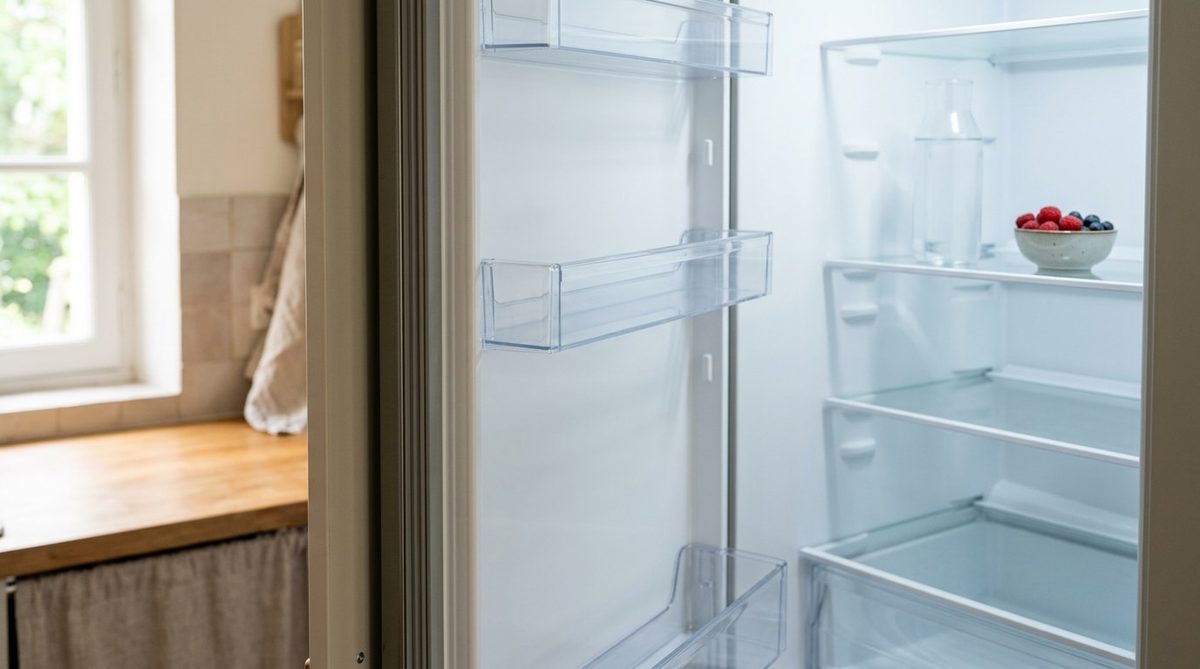
The summer heat is brutal on devices. As the mercury rises, your refrigerator ceases to be just a kitchen appliance and becomes the only barrier between you and spoiled food. It triggers panic when the butter softens and the compressor hums non-stop. Most homeowners respond by turning down the thermostat and trying to produce more cold.
This is a huge mistake.
Turning this knob does not actually make the device cooler. It just forces the compressor to run until it burns out. Instead of asking for help or calling a technician, you can restore your refrigerator’s cooling performance with four simple maintenance steps. These are not theoretical solutions. These are practical measures that will save your groceries and your wallet.
Clean the condenser coils to prevent overheating
The lungs of the refrigerator are hidden at the back. You can usually find them behind a black metal grille. This is a condenser. Over time, dust, animal hair and cobwebs accumulate there. This layer of dirt works like a winter jacket on a summer day. It stores heat inside the machine instead of releasing it into the room.
If the condenser is blocked, the compressor has to work overtime to maintain the temperature. This leads to premature failure.
How to fix the problem:
1. Disconnect the device from the power source. Safety comes first.
2. Use a vacuum cleaner with a soft brush.
3. Carefully vacuum the coils. Remove any dirt.
4. Wipe the grille with a damp cloth if it is particularly dirty.
Check the placement after cleaning. Pull the refrigerator away from the wall. You need at least five centimeters of free space behind and on the sides. If the refrigerator is pressed evenly against the wall, air cannot circulate. The heat gets trapped. Give it space to breathe. The compressor cools down and returns to a normal, efficient rhythm.
Thaw and seal to prevent cold air from escaping
Now that the machine can give off heat, it must be ensured that the cold air stays inside. The enemy here is ice. Even a thin layer of frost on the walls of the freezer has an insulating effect. It prevents the cold from entering the rest of the refrigerator. This means that the device has to work longer and consumes more electricity.
How to fix the problem:
* Defrost regularly: If frost forms, don’t wait. Put the bowls of hot water in the freezer. The steam melts the ice quickly. Do not crush the ice with sharp objects. You can damage the cooling lines.
* Check the door seal: A damaged seal lets warm summer air in. Test it with a simple trick. Take a dollar bill (or any paper). Close the door. If the paper slips out easily when pulled, the seal is weak. If it resists, all is well.
* Clean or replace: A dirty gasket often just needs to be wiped off with vinegar and water. If it is cracked or brittle, replace it. It’s a cost-effective solution that makes a big difference.
Why this matters to your wallet and your food safety
These four steps – cleaning the coils, ensuring air circulation, defrosting and closing the door – are not just about convenience. It’s about survival during a heat wave.
When the condenser is clean and the gasket is tight, the refrigerator temperature will drop to the ideal temperature of 4°C (39°F). This temperature stops the growth of bacteria. Your meat, dairy and vegetables stay safe. You won’t lose a week’s worth of food because of a technical fault.
The electricity bill must also be taken into account. A struggling compressor consumes significantly more electricity. By keeping your device clean and efficient, you reduce this burden. The savings on the electricity bill can be significant during the hot summer.
Conclusion
You don’t need an engineering degree to keep your refrigerator running. You need a vacuum cleaner, a bowl of hot water and a willingness to inspect your appliance.
Monitoring the condition of the refrigerator is better than guessing the thermostat every time. Check the coils. Check the seal. Clear the frost. Do this before the next heat wave hits.
It’s not a question of whether your fridge will survive the summer. It’s about whether you’re willing to give it the basic care it needs to do its job. Get started today.


