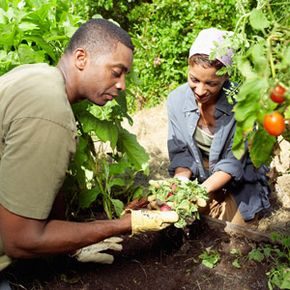
Earth runs on a delicate equilibrium. Ecosystems exist in a state of constant negotiation. Humans arrive in large numbers and disrupt the rhythm. Green communities are the response. They are designed to restore that lost balance.
The term “permaculture” now defines any system that can be structured to be more self-sustaining. It started as a nature restoration concept. Now it applies to political and cultural frameworks too. The goal is resilience. Cooperation. Sustainability. This is what green communities are all about.
Defining Permaculture for Human Systems
Bill Mollison coined the term in the 1970s. The Australian wildlife biologist noticed how diverse elements in nature worked together. They supplied their collective needs without waste. He realized these agricultural principles could be adopted for human living.
In nature, everything has a job. Trees provide shade. Decaying plants enrich soil. Birds eat the insects that threaten the trees. It is an old idea. It is updated for modern challenges.
When people live together in density, the demands multiply. Energy is needed. Water must be abundant. Food sources must be reliable. Waste must be recycled. A cooperative government helps regulate the flow. Creating a plan where these human systems coexist with the environment is the primary goal of the green movement.
Some projects are ambitious. They integrate multiple systems at once. Others take a step-by-step approach. They might start with energy or food production. Then they adopt more features based on long-term planning strategies.
Renewable Energy: The Path to Off-Grid Living
About 80 percent of the world’s energy still comes from fossil fuels. The pollution is severe. Greenhouse gases spike. Oil spills cause ecological disasters. Strip mining scars the land.
The world needs power. There are alternatives. Communities are looking at greener methods for generating and conserving energy. The options are extensive.
- Wind
- Solar
- Hydropower
- Bioenergy
- Ocean
- Geothermal
- Hydrogen
These resources are self-renewing. They are relatively clean. The output consistency is the main drawback. A wind turbine does not turn on a still day. Solar panels produce little power when it is overcast. Some methods depend on specific geological features. You need the ocean for tidal power. You need a windy spot for wind turbines.
To solve this inconsistency, green communities use alternative power backups. This preference for renewable energy, combined with aggressive conservation, helps reduce the carbon footprint. Smart building techniques and eco-conscious city planning bring these communities closer to removing themselves from the grid entirely.
Case Study: The Hull Wind Project
Location matters. The town of Hull, Massachusetts, sits along the coastline. It regularly experiences high winds. This small New England town turned a windy day into a windfall. They built wind turbines to meet their energy needs.
This is a model of energy self-sufficiency. It is leading the way for other communities facing spiraling energy costs. Wind power is green power. It can serve entire communities like Hull.
We will next look at how green communities manage water resources to complete the cycle of self-sustainability.
Water Waste and the Hidden Costs of Inefficiency
It’s easy to look at the ocean and assume water is infinite. It isn’t. Only three percent of the planet’s water is fresh. That number shrinks fast when you factor in pollution and inaccessible sources. If you don’t keep that delicate balance, things break.
Community water management is the backbone of this balance. It’s not just about turning on the tap. It’s a complex loop of supplying water, treating wastewater, and returning it to nature. When a town grows too fast, the strain shows up in dry riverbeds and dropping water tables. Neighbors suffer. Wildlife suffers.
Then there’s the waste side of the equation. Aging treatment plants can’t always keep up. Undersized systems spill pollutants into local ecosystems. Even your driveway contributes to the problem. Rainwater runoff picks up oil, antifreeze, and chemicals from parking lots. It flows into storm drains instead of soaking into soil. Those drains lead directly to rivers.
Green neighborhoods fight back with smart design.
Installing high-efficiency fixtures is the first step. Dual-flush toilets are standard in sustainable builds. Landscaping shifts away from thirsty turf to drought-resistant plants. Permeable materials let rain soak in. Catchment systems harvest the rest. Grey water recycling is another key strategy. This is wastewater from sinks and showers. It gets filtered and reused for flushing toilets or irrigating gardens.
Saving Water in Your Home
You don’t need a certified green community to start saving. You just need to look at your existing infrastructure.
Older homes are water hogs. A standard toilet from a decade ago uses three to five gallons per flush. Modern 1.6-gallon models are far more efficient. The EPA notes that if every household replaced an old toilet, the country would save two billion gallons of water every single day. That’s a massive reduction.
Here are practical ways to cut consumption without tearing out pipes.
- Turn off the tap while brushing your teeth. It sounds obvious, but most people leave it running.
- Take showers instead of baths. A quick rinse uses a fraction of the water a full tub requires.
- Install a rain barrel. Place it under a downspout. Harvest that runoff for your garden.
These habits lower your utility bill. They also reduce the strain on municipal water resources. It’s a simple win-win.
Smarter Living Through Compact Design
Water is only part of the puzzle. Transportation and building practices overlap in surprising ways.
The goal is to reduce the distance between where you live, work, and shop. If your office is a block away, you walk or bike. Green communities encourage this density. They consolidate business parks and shopping centers. Shorter trips mean less fuel. Less fuel means less pollution.
Building smaller also changes the material mix. Compact structures use less energy to heat and cool. They allow for eco-friendly materials like straw, bamboo, or compressed earth blocks. Smaller buildings create smaller neighborhoods. Smaller neighborhoods need fewer resources to maintain.
There’s a psychological benefit too. Less square footage limits consumption. You buy less stuff. What you do own becomes more valuable. This fights planned obsolescence. You keep items longer. You buy quality.
In 1997, the average American generated 3.2 pounds of solid waste daily. Reducing the resource intensity of living helps cut that number. It’s not about doing everything at once. It’s about connecting the dots.
Encouraging Active Commutes
Transportation doesn’t have to be a car-centric nightmare.
The UK’s Cycle to Work Scheme offers a proven model. It incentivizes businesses to provide bicycles for their employees. The strategy is straightforward. Save energy. Cut pollution. Get workers moving.
It’s a green strategy that serves two masters. The environment benefits from reduced emissions. Employees benefit from better health. It’s a practical step toward a less resource-intensive society.
Waste and the “Think Small” Mindset
The connection between housing size and waste generation is direct.
Conspicuous consumption drives landfills. When you have less space, you stop buying things you don’t need. You hold onto what you have. This mindset shifts from disposal to preservation.
Green community development isn’t just about solar panels and wind turbines. It’s about density. It’s about walking distance. It’s about understanding that every choice—from the toilet in your bathroom to the bike in your garage—has a downstream effect.
The government is starting to catch up. Incentives for green building are growing. Policies are shifting to support sustainable infrastructure. But the groundwork is laid by individual choices.
You can start with water. You can start with transportation. The math is simple. Reduce input. Reduce output. Keep the cycle running.
The next phase involves looking at how these principles scale up. How does policy meet practice? We’ll dig into the government’s role in making America greener. Until then, check your pipes. Check your tires. And maybe just check if you really need that fourth pair of shoes.
Understanding Green Community Standards
You don’t need a city-wide mandate to start acting green. Even if your neighborhood isn’t labeled “eco-friendly” today, the shift is happening. The EPA’s Smart Growth program provides the framework. It isn’t just theory. It’s about grants, technical help, and publications that guide local planning.
The goal is straightforward. Preserve open space. Protect farmland. Build walkable areas. Offer transit options. Design buildings that are compact.
Good planning treats nature as a resource, not an obstacle. It anticipates problems before they happen. It conserves water and wildlife. It prioritizes quality over sheer quantity.
A greener approach to community planning protects environmental wealth for future generations.
Terms You Need to Know
Sustainability has its own language. If you’re reading blueprints or talking to contractors, you’ll hear these terms. Here is what they actually mean for your project.
Aquaculture
Growing crops using a liquid medium. Think hydroponics.
Carbon Footprint
The total greenhouse gas emissions caused by an individual or entity. Reducing this is a primary goal of any green renovation.
Ecovillage
A community that is partially or wholly self-sustaining. It relies on renewable energy and local food systems.
Grey Water
Wastewater from sinks, tubs, and laundry. It is not toilet water. It can be recycled for outdoor irrigation or toilet flushing.
Polyculture
Growing multiple plant varieties and raising animals in the same area. This creates balance. It reduces disease and pest outbreaks.
How to Implement These Concepts
Understanding the vocabulary is step one. Step two is applying it.
Start with water. Install a dual flush toilet. They use less water per flush than standard models. Add rain barrels to capture runoff. This water can feed your garden.
Look at waste. Separate e-waste. Follow local recycling laws. They vary by state.
Consider energy. Small wind projects exist. Look at your utility provider’s renewable options.
The EPA outlines policies for implementation. They emphasize community involvement. Talk to your neighbors. Form a plan.
Next Steps for the Homeowner
You can’t change the whole city alone. But you can change your lot.
- Audit your water. Fix leaks. Install low-flow fixtures.
- Check your soil. Can you support polyculture? Mix vegetables with native plants.
- Calculate your footprint. Track your energy use. Switch to LED bulbs.
- Research local grants. The EPA and state agencies offer funding for green upgrades.
There are quizzes online to measure your current green status. Take one. It gives you a baseline.
The history of sustainable communities shows that change starts small. It starts with one house. One block.
Read up on rammed earth homes if you are building from scratch. It’s an ancient technique. It’s also highly efficient.
Don’t wait for permission. The guidelines are public. The tools are available. The rest is just work.


